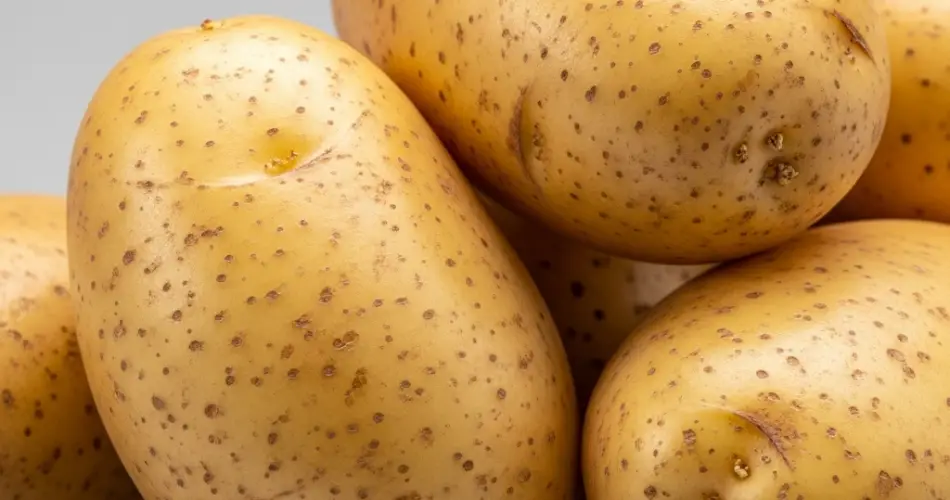
Potatoes are one of the most widely consumed foods in the world, and now you can grow them at home with minimal space and effort. With this clever sack-growing method, you can enjoy fresh, homegrown potatoes without needing a large garden or even traditional garden beds. It’s perfect for patios, balconies, or any small outdoor space.
Here’s how to grow your own potatoes in sacks using simple, cost-effective steps—so you may never need to buy them again.
Why Grow Potatoes in Sacks?
Growing potatoes in sacks offers several advantages:
-
Space-saving: Ideal for small gardens or balconies.
-
Pest control: Elevating the plants helps reduce exposure to soil pests.
-
Easy harvesting: You can just tip the sack to gather your potatoes.
-
Portable: Move the sack to follow the sun or shelter from heavy rain.
This method also provides excellent drainage and helps prevent waterlogging, which is a common issue when growing potatoes in heavy or compacted soil.
What You’ll Need
To get started, gather the following materials:
-
1 large sack or grow bag (20–50 liters)
-
Seed potatoes or sprouted supermarket potatoes
-
Good-quality potting soil or compost
-
Straw, shredded leaves, or dry grass (optional for mulching)
-
A small shovel or hand trowel
You can use sacks made of burlap, woven plastic, or thick fabric. Make sure there are drainage holes at the bottom, or cut a few slits yourself.
Step-by-Step Planting Guide
1. Prepare the Potatoes
If you’re using supermarket potatoes, choose ones that have already started sprouting. You can speed up the sprouting by placing them in a warm, well-lit area for a few days (a process called “chitting”). When the sprouts are about 2–3 cm long, they’re ready to plant.
If the potatoes are large, you can cut them into pieces, ensuring each chunk has at least one healthy sprout (“eye”). Let the cut pieces dry for a day to prevent rotting in the soil.
2. Fill the Sack
Add about 15–20 cm (6–8 inches) of soil to the bottom of the sack. Mix in some compost or aged manure for added nutrients.
Place 3 to 5 sprouted potatoes on the soil surface, evenly spaced. Cover them with another 10–15 cm (4–6 inches) of soil. Water lightly.
3. Add Soil as They Grow
As the potato plants grow and reach about 15–20 cm in height, cover the lower part of the stems with more soil or mulch—this process is called “hilling.” Continue adding soil every time the plants grow taller, leaving a few centimeters of the top growth exposed.
This encourages the development of more tubers along the buried stems and prevents sunlight from reaching the potatoes, which can turn them green and toxic.
Repeat this process until the sack is nearly full.
Care and Maintenance
-
Watering: Keep the soil consistently moist but not soggy. Sacks tend to dry out faster than ground soil, so check moisture daily, especially in hot weather.
-
Sunlight: Place the sack where it will receive at least 6 hours of sunlight per day.
-
Feeding: Fertilize once or twice during the growing season using a balanced liquid fertilizer or compost tea.
Watch for signs of pests like aphids or potato beetles. Most issues can be controlled with natural remedies like neem oil or insecticidal soap.
Harvesting Your Potatoes
When the plants start to flower, small “new” potatoes may already be forming. For full-size potatoes, wait until the foliage begins to yellow and die back. This usually happens about 90 to 120 days after planting, depending on the variety.
To harvest, tip the sack over onto a tarp or garden bed and sift through the soil to find the tubers. It’s a satisfying process, and you may be surprised by how many potatoes you can harvest from just one sack!
Storing and Using Your Potatoes
After harvesting, let the potatoes dry in a cool, shaded area for a few hours. Store them in a breathable bag or basket in a dark, cool place. Avoid washing them until just before use, as this helps them store longer.
Use your homegrown potatoes for baking, boiling, roasting, or mashing. Their fresh flavor and firm texture are a delicious reward for your gardening effort.
Final Thoughts
Growing potatoes in sacks is a practical and rewarding way to produce your own food, even in limited spaces. It requires little equipment, minimal upkeep, and offers a generous harvest. By using leftover supermarket potatoes, you can also reduce food waste and become more self-sufficient.
Try this method once, and you may never want to go back to buying potatoes from the store again.


