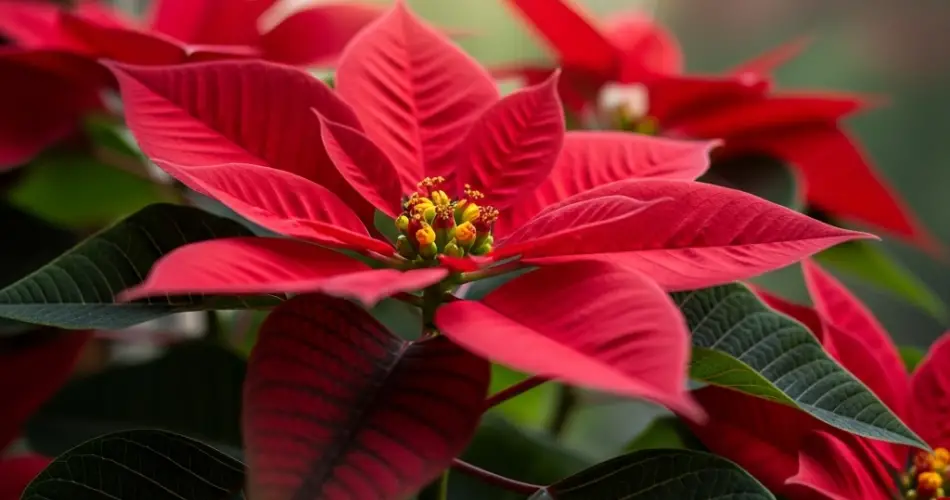
The Poinsettia—also known as the Christmas Star, Flor de Navidad, Nochebuena, or Pastora—is a holiday favorite with its vibrant red, white, or pink bracts. But for many, it becomes just a seasonal decoration that wilts shortly after the festivities end. The truth is, with proper care, your poinsettia can thrive well beyond Christmas and even bloom again the following year. Here’s how to take care of your poinsettia like never before.
Understanding the Poinsettia
Originally from Mexico, the poinsettia (Euphorbia pulcherrima) is a subtropical plant that flourishes in warm climates with bright, indirect light. What most people think are flowers are actually colored bracts—modified leaves—that surround small yellow blooms in the center.
Most poinsettias sold during the holiday season are forced to bloom in winter through careful light and temperature control. Once they enter your home, maintaining their beauty requires replicating their native environment as closely as possible.
Choosing the Right Spot
Light is crucial. Place your poinsettia near a window where it receives plenty of bright but indirect sunlight—ideally six hours a day. Avoid direct sun, which can scorch the bracts, and keep it away from cold drafts or heat sources like radiators.
Poinsettias dislike sudden temperature changes. Ideally, they should be kept between 60°F and 72°F (15°C to 22°C). At night, a slight drop in temperature is fine, but anything below 50°F (10°C) can damage the plant.
Watering Correctly
Overwatering is one of the most common mistakes in poinsettia care. The key is to allow the top inch of soil to dry out before watering again. Use room temperature water and let the water drain freely—never let the pot sit in a saucer of stagnant water, as this can cause root rot.
If the plant came in a decorative foil pot cover, remove it or punch holes in the bottom to ensure proper drainage. Yellowing leaves are a common sign of overwatering or poor drainage.
Humidity Matters
Poinsettias love humidity. Indoor heating during winter often creates dry air, which can cause the leaves to curl or drop. To combat this, place a tray with water and pebbles under the pot, or mist the plant lightly every few days (avoiding the bracts). Alternatively, placing it near a humidifier can help maintain the ideal environment.
Post-Holiday Care: What to Do After Christmas
Many people toss out their poinsettias once the holidays are over, but with a bit of care, you can keep yours growing—and even rebloom next year.
-
January to March: Continue regular watering and light exposure. If leaves drop, don’t panic—it’s natural. Keep the plant in a warm, bright area.
-
April: As spring arrives, prune the plant back to about 4–6 inches to promote bushier growth. You’ll see new shoots appear soon.
-
May to June: Repot if needed, using fresh soil. Move the plant outdoors once nighttime temperatures stay above 55°F (13°C), placing it in a shaded, protected spot at first.
-
Summer: Pinch back new shoots every few weeks to encourage fuller growth, but stop by late August.
-
September to October: Bring the plant indoors before temperatures drop. To trigger blooming for Christmas, place the plant in complete darkness for 14 hours each night (a closet or covered box works well), and return it to bright, indirect light during the day. This must be done daily for 6–8 weeks.
-
November to December: If done correctly, your poinsettia should begin showing colorful bracts by late November, just in time for the holidays.
Common Issues and Solutions
-
Leaves Dropping: Usually due to temperature stress or overwatering. Check placement and watering habits.
-
Leggy Growth: Insufficient light—move to a brighter location.
-
Bracts Not Turning Red: The plant didn’t get enough darkness each night in fall. Restart the light-control routine earlier next year.
Final Thoughts
Poinsettias are more than just throwaway holiday decorations—they’re vibrant, long-living plants that can bloom year after year with the right care. By understanding their natural needs and following a seasonal care plan, you can enjoy your poinsettia long past Christmas and even use the same plant to brighten your home every holiday season.


