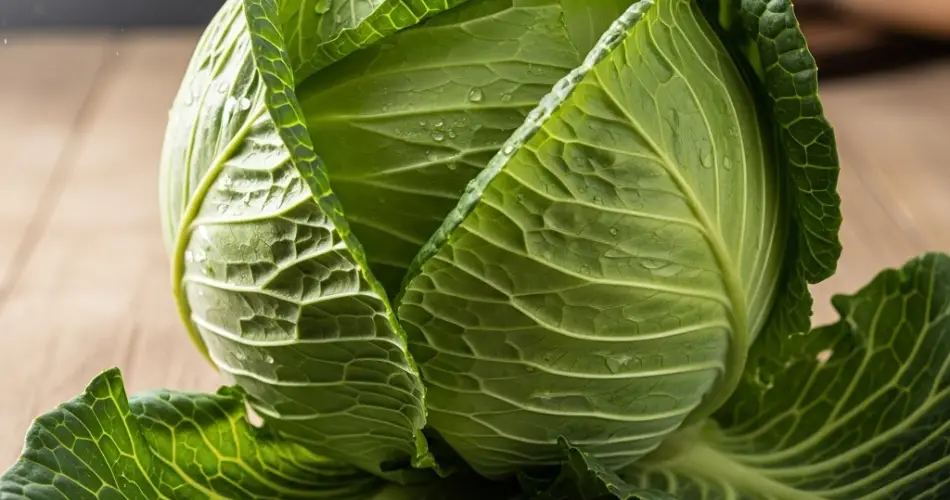
Growing cabbage doesn’t require a big vegetable plot or access to farmland. With the right setup, you can successfully grow cabbage in containers on a balcony, patio, or sunny windowsill. This hearty vegetable, known for its tightly packed leafy heads, is surprisingly well-suited for container gardening, even in limited urban spaces.
If you’re looking to grow your own nutritious, homegrown cabbage, this guide covers everything you need to get started—no backyard necessary.
Why Cabbage Grows Well in Containers
Cabbage has a shallow to moderately deep root system, which makes it ideal for pots and planters. Container growing allows better control over soil quality, water, and pests. It also enables gardeners to move plants around to optimize light exposure.
Growing cabbage in containers offers several benefits:
-
Space-saving for urban environments
-
Reduced weed competition
-
Mobility to move plants to ideal sun exposure or shelter
-
Fewer soil-borne pests and diseases
With proper care, even beginner gardeners can harvest compact, flavorful cabbage heads from a small space.
Best Cabbage Varieties for Containers
Some cabbage varieties are better suited to container growing than others due to their size and growth habits. Compact and fast-maturing varieties are ideal choices.
Try these cabbage types for container gardening:
-
‘Golden Acre’ – Early maturing, small round heads.
-
‘Ruby Ball’ – A vibrant red cabbage with compact growth.
-
‘Caraflex’ – Cone-shaped heads and excellent for tight spaces.
-
‘Gonzales’ – Mini-cabbages that mature quickly and don’t require much room.
-
‘Pixie’ – A dwarf variety perfect for pots and small planters.
Most of these can be harvested in 60–75 days, making them efficient options for small-scale growers.
Choosing the Right Container
Cabbage plants need room to form their heads and grow a strong root system. Choose a container that is:
-
At least 12 inches deep
-
12–16 inches wide per plant
-
Equipped with drainage holes
Fabric grow bags, plastic pots, wooden boxes, and even recycled buckets can all work well—as long as there is proper drainage.
If you plan to grow multiple cabbage plants, use a large planter box or several individual containers spaced adequately apart.
Soil Preparation and Planting
Cabbage prefers well-draining, nutrient-rich soil with a neutral pH between 6.5 and 7.0. For optimal growth, use a mix that retains moisture but doesn’t stay soggy.
Use this container soil blend:
-
2 parts organic potting soil
-
1 part compost or aged manure
-
1 part perlite or coco coir for drainage
Before planting, mix in a slow-release fertilizer or an organic vegetable feed to give your plants a head start.
Plant cabbage seeds ¼ to ½ inch deep. If using seedlings, transplant them carefully into the soil with enough spacing to allow their heads to develop—one plant per pot is ideal. Water well after planting.
Sunlight and Temperature
Cabbage thrives in cool to mild temperatures, ideally between 55°F and 75°F (13°C to 24°C). Too much heat can cause the heads to bolt (go to seed) prematurely.
For the best growth:
-
Provide 6 hours or more of full sun daily
-
Place containers in a spot with morning sun and afternoon shade in hot climates
-
Avoid locations exposed to strong, drying winds
If temperatures drop significantly, cover your cabbage with frost cloth or move pots into a sheltered area.
Watering and Feeding
Cabbage is a thirsty plant, and consistent moisture is key to producing tender, dense heads.
-
Water when the top inch of soil feels dry
-
Avoid overhead watering to reduce risk of disease
-
Use mulch (like straw or dried leaves) to retain soil moisture
Feed cabbage every 2–3 weeks with a balanced liquid fertilizer, especially as the heads begin to form. Overfeeding nitrogen can lead to lots of leafy growth without solid heads, so switch to a phosphorus- and potassium-rich fertilizer mid-season.
Common Pests and Problems
Container-grown cabbage is less prone to ground pests, but a few issues can still occur:
-
Cabbage worms and loopers – Use row covers or pick them off by hand.
-
Aphids – Spray with a mixture of water and mild soap or neem oil.
-
Slugs – Use copper tape around pots or place crushed eggshells on the soil surface.
-
Split heads – Often caused by inconsistent watering or sudden heavy rain.
Inspect your plants regularly to catch problems early and avoid infestations.
Harvesting Cabbage in Containers
Cabbage heads are ready to harvest when they feel firm and reach the desired size. This typically takes 60 to 90 days from planting, depending on the variety.
To harvest:
-
Cut the head at the base with a sharp knife
-
Leave the outer leaves and root in place if you want to encourage regrowth (some varieties produce small side heads after the main one is cut)
Harvest promptly once heads are firm to avoid splitting or bolting.
Final Thoughts
You don’t need a sprawling garden to grow your own cabbage. With a bit of sun, a suitable pot, and consistent care, cabbage can flourish in containers on patios, balconies, or even sunny window areas. This cool-season vegetable not only adds beauty to your edible garden but also rewards you with a homegrown harvest full of flavor, crunch, and nutrition.
Container cabbage gardening is a smart, satisfying way to bring fresh produce into your home—no backyard required.


