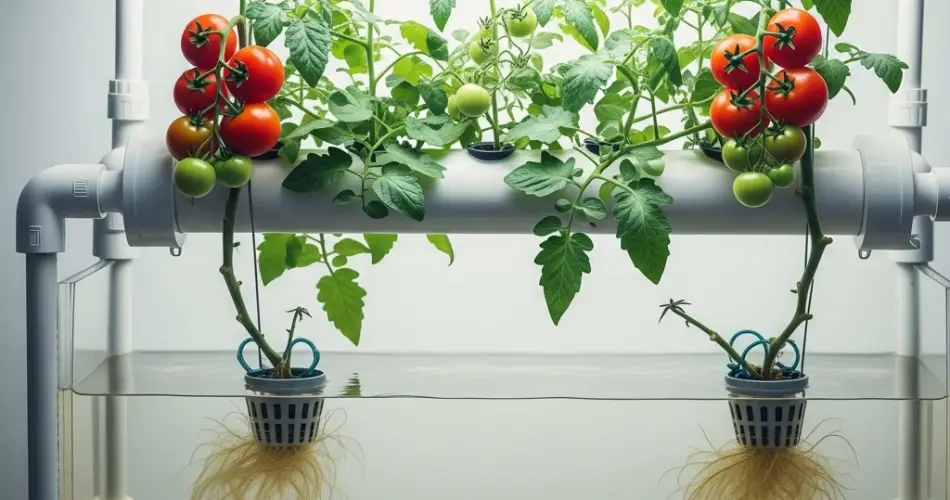
Tomatoes are one of the most popular vegetables grown at home, but what if you could cultivate them without soil and even without direct sunlight? Hydroponics, a soilless growing technique, offers a modern, efficient way to grow healthy tomato plants indoors using water-based nutrient solutions.
This article explains how you can grow tomatoes hydroponically at home, the benefits of this system, and step-by-step instructions to get started—even if you don’t have a garden or access to natural sunlight.
What Is Hydroponics?
Hydroponics is a method of growing plants using nutrient-rich water solutions instead of soil. In this system, plants receive all essential nutrients directly through water, promoting faster growth and higher yields. It’s a clean, space-saving, and sustainable approach to gardening.
Hydroponics can be set up indoors or outdoors and allows growing fresh produce year-round, regardless of climate or soil conditions.
Why Grow Tomatoes Hydroponically?
Growing tomatoes hydroponically offers several advantages:
-
Soilless cultivation: No need for garden soil or outdoor space.
-
Water efficiency: Hydroponics uses up to 90% less water than traditional soil gardening.
-
Faster growth: Nutrients are delivered directly to roots, accelerating growth.
-
Year-round harvest: Indoor hydroponics can produce tomatoes all year.
-
Pest and disease control: Soil-borne pests and diseases are minimized.
Additionally, hydroponic systems can be designed to fit small indoor spaces, making them perfect for apartments or homes without a backyard.
Can Tomatoes Grow Without Sunlight?
While tomatoes naturally thrive in sunlight, they can also grow well indoors under artificial light sources. Using LED grow lights that provide the right spectrum of light enables photosynthesis and healthy development without direct sun.
It’s essential to provide about 12 to 16 hours of light daily for tomato plants grown indoors, mimicking natural daylight cycles.
How to Set Up a Simple Home Hydroponic System for Tomatoes
Here’s a step-by-step guide to create a basic hydroponic setup to grow tomatoes indoors, even without sunlight:
Materials Needed:
-
Tomato seedlings or seeds
-
A container or reservoir for water (such as a plastic tub or bucket)
-
Net pots or small containers with holes for drainage
-
Growing medium (like clay pellets, perlite, or coconut coir)
-
Nutrient solution formulated for hydroponic tomatoes
-
Air pump and air stone (to oxygenate water)
-
LED grow lights (if natural sunlight is insufficient)
-
pH testing kit
-
Water pump (optional, depending on system type)
Step 1: Choose Your Tomato Variety
Select tomato varieties that are well-suited for hydroponic growth and indoor cultivation. Smaller or determinate types like cherry tomatoes or patio tomatoes are often easier to manage in limited space.
Step 2: Prepare the Hydroponic System
Fill your water reservoir with clean water and mix in the recommended amount of hydroponic nutrient solution specifically designed for tomatoes. Maintain the water pH between 5.5 and 6.5 for optimal nutrient absorption.
Place net pots filled with your chosen growing medium inside holes on a floating platform or in a stand to hold the plants. Ensure the roots can easily access the nutrient-rich water below.
Step 3: Plant Your Seedlings or Seeds
If using seedlings, gently place them in the net pots with growing medium, ensuring roots can reach the nutrient solution. If starting from seed, you can germinate them in rockwool cubes or seed-starting trays before transplanting into the system.
Step 4: Provide Adequate Light
Set up LED grow lights above your plants to supply 12 to 16 hours of light daily. Position the lights 6 to 12 inches above the tomato plants and adjust as they grow to prevent leaf burn.
Step 5: Maintain and Monitor
Regularly check water levels and top off with nutrient solution as needed. Test pH every few days and adjust with pH up or down solutions to keep it within the ideal range.
Use an air pump with an air stone to oxygenate the water, promoting healthy root growth and preventing stagnation.
Step 6: Support Your Tomato Plants
Tomato plants can become heavy as they grow and start fruiting. Use stakes, trellises, or cages to support the stems and prevent breakage.
Common Challenges and Solutions
-
Nutrient Imbalance: Monitor pH and nutrient concentration carefully to avoid deficiencies or toxicities.
-
Algae Growth: Keep the reservoir covered to block light and prevent algae.
-
Root Rot: Ensure good oxygenation and avoid overly warm water.
-
Pollination: Indoors, you may need to hand-pollinate flowers by gently shaking or brushing them to ensure fruit development.
Benefits of Home Hydroponic Tomato Cultivation
By growing tomatoes hydroponically at home, you gain fresh, pesticide-free produce year-round, with minimal effort and space. The system uses less water and no soil, making it environmentally friendly. Plus, the ability to control nutrients and conditions precisely leads to healthier plants and often higher yields than traditional gardening.
This method is ideal for urban gardeners, apartment dwellers, or anyone interested in sustainable and innovative growing techniques.
Conclusion
Hydroponic tomato cultivation offers an exciting and practical way to grow delicious tomatoes indoors without soil or sunlight. With a few basic materials and some care, you can set up your own system and enjoy fresh homegrown tomatoes all year long.
Whether you’re a gardening novice or an experienced grower, hydroponics can transform your approach to growing vegetables—making it cleaner, faster, and more efficient.
Start your hydroponic tomato garden today and experience the satisfaction of harvesting fresh, juicy tomatoes grown right in your own home!


