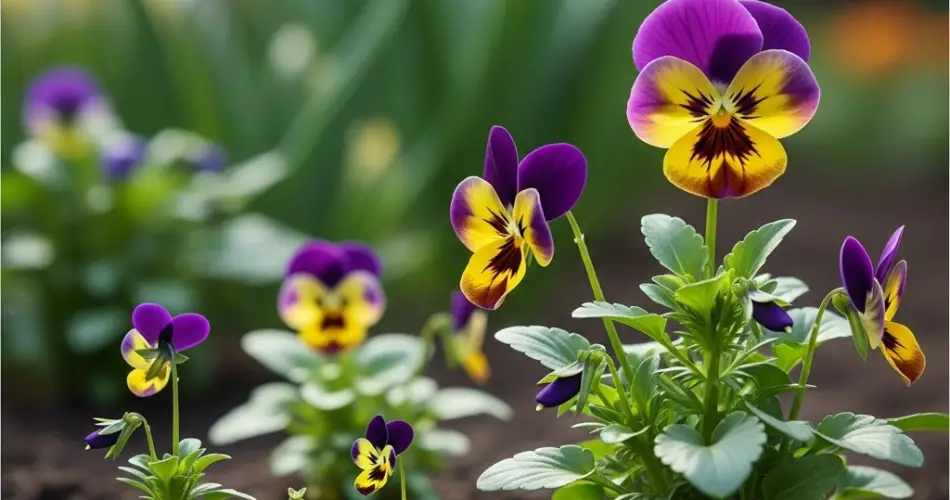
Pansies, scientifically known as Viola wittrockiana, are among the most beloved flowering plants for gardens, window boxes, and containers. Their cheerful, vibrant colors and unique “face-like” markings brighten up any space, especially during cooler seasons when many other flowers fade.
If you’re looking to cultivate pansies successfully, this comprehensive guide will walk you through everything you need to know—from planting and growing conditions to care and maintenance—so you can enjoy beautiful blooms all season long.
Understanding Pansies (Viola wittrockiana)
Pansies belong to the Violaceae family and are prized for their striking multi-colored petals and long flowering period. They are cool-weather plants, thriving best in spring and fall when temperatures are mild.
They come in a variety of colors including purple, yellow, white, blue, orange, and combinations of these hues. Their charming appearance makes them perfect for borders, garden beds, and pots.
Ideal Growing Conditions for Pansies
1. Sunlight
Pansies prefer full sun to partial shade. Ideally, they should receive at least 4 to 6 hours of direct sunlight daily. In warmer climates, some afternoon shade is beneficial to prevent heat stress.
2. Soil
They thrive in well-draining, fertile soil with a slightly acidic to neutral pH (between 6.0 and 7.0). Enrich your soil by mixing in organic compost or aged manure to improve fertility and moisture retention.
3. Temperature
Pansies grow best in cool temperatures ranging from 45°F to 65°F (7°C to 18°C). They can tolerate light frost and sometimes even snow, but extreme heat will shorten their flowering period.
How to Plant Pansies
Starting from Seeds
Pansy seeds can be started indoors 8-10 weeks before the last expected frost. Sow seeds thinly in seed trays with moist seed-starting mix. Keep the soil moist and at a temperature around 65°F (18°C) for germination, which usually occurs in 10-14 days.
Once seedlings have developed several true leaves and outdoor temperatures are suitable, transplant them into the garden or pots.
Transplanting Young Plants
Choose healthy, robust young pansy plants. Space them about 6 to 8 inches apart to allow good air circulation and room for growth. Dig a hole slightly larger than the root ball, plant at the same soil level, and water well after planting.
Caring for Pansies
Watering
Keep the soil consistently moist but not waterlogged. Water pansies at the base early in the day to avoid fungal diseases. During dry spells, increase watering frequency.
Fertilizing
Feed pansies every 4 to 6 weeks with a balanced, water-soluble fertilizer. Avoid excessive nitrogen, which can promote leaf growth at the expense of flowers.
Deadheading
Regularly remove spent flowers to encourage continuous blooming. Pinch off faded blooms just above the leaf node.
Mulching
Applying a layer of organic mulch around pansies helps retain soil moisture and regulate temperature. It also reduces weed growth.
Common Problems and How to Solve Them
Pests
-
Aphids: These tiny insects suck sap from plants, causing leaf curling and distortion. Spray affected plants with insecticidal soap or neem oil.
-
Slugs and snails: These pests feed on pansy leaves and flowers, leaving holes. Use organic slug pellets or place barriers around plants.
Diseases
-
Powdery mildew: A white, powdery coating on leaves. Improve air circulation and avoid overhead watering.
-
Root rot: Caused by overwatering and poorly drained soil. Ensure proper drainage and reduce watering.
Propagation and Replanting Tips
Pansies can be propagated by seed or by cuttings, though seed propagation is more common. If growing from seed, save seeds from mature plants for next season or purchase fresh seeds each year for best results.
To keep your pansies blooming longer, consider replanting every few months. Because pansies are cool-season plants, in hot climates they may only last through spring and fall, requiring replacement during summer.
Creative Uses for Pansies in Your Garden
-
Borders and Edging: Use pansies to create colorful borders along pathways or flower beds.
-
Containers and Window Boxes: Their compact size and vibrant colors make them perfect for pots and containers on patios or windowsills.
-
Companion Planting: Plant pansies alongside other cool-season flowers such as snapdragons, violas, and ornamental kale for a diverse, eye-catching display.
Summary
Pansies (Viola wittrockiana) are among the most versatile and charming flowers to grow in any garden or container. Their vibrant colors, long bloom time, and relative ease of care make them a favorite for both beginner and experienced gardeners.
By providing the right light, soil, watering, and maintenance, you can enjoy continuous blooms and add a splash of color to your garden during the cooler months. Propagate from seed or purchase young plants, and with regular care, your pansies will thrive beautifully.
Growing pansies is a rewarding gardening experience that brightens up your outdoor space and provides enjoyment through their cheerful presence.


