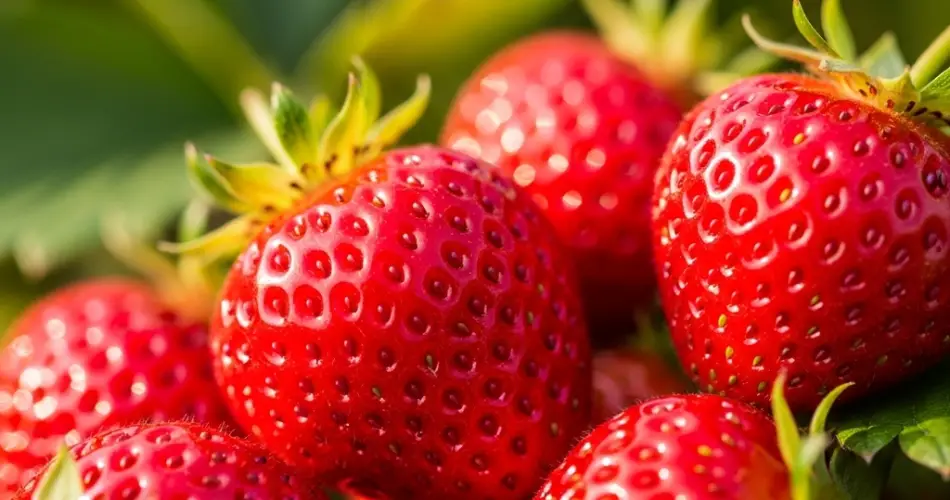
If you’ve ever enjoyed a ripe, juicy strawberry and wondered if you could grow your own plants from the seeds, the answer is a resounding yes. In fact, it’s entirely possible to sprout thousands of strawberry seedlings from supermarket strawberries in just a week—with minimal supplies and a bit of care. Whether you’re new to gardening or just looking for a fun way to multiply your garden’s yield, germinating strawberries from store-bought fruit is a rewarding project that’s surprisingly simple.
Can You Really Grow Strawberries from Store-Bought Fruit?
Yes! Although commercial strawberries are often grown from cloned runners for consistent fruit quality, the seeds on the outside of each berry can still be viable. Every strawberry has around 200 seeds on its surface, and many of these can germinate under the right conditions.
Keep in mind that strawberries from the supermarket may be hybrids, so the plants grown from their seeds might not produce fruit identical to the parent berry. However, they’ll still grow into productive, fruiting plants that are perfect for home gardens.
Materials You’ll Need
To start your strawberry seedlings, you only need a few basic items:
-
Fresh strawberries (organic preferred, but not required)
-
Paper towels
-
Zip-top plastic bags or a container with a lid
-
A spoon or knife
-
Seedling trays or small pots
-
Potting soil (seed-starting mix is ideal)
-
Spray bottle with water
How to Extract and Prepare Strawberry Seeds
Start by selecting ripe, fresh strawberries. Organic berries are preferable since they’re less likely to have been treated with chemicals that may reduce seed viability.
-
Harvest the Seeds: Use a spoon, knife, or even the edge of a credit card to gently scrape the surface of the strawberry and collect the seeds. Alternatively, you can dry the strawberry slice for a day or two, then rub off the dried skin containing seeds.
-
Dry the Seeds: Spread the seeds on a paper towel and let them dry for 1–2 days in a cool, dry place. This reduces the risk of mold and prepares the seeds for sprouting.
The Germination Process
One of the easiest and most effective ways to germinate strawberry seeds is using the paper towel method. This technique offers moisture and warmth—two critical conditions for successful germination.
-
Moisten a Paper Towel: Dampen a clean paper towel with water until it’s moist but not dripping.
-
Add the Seeds: Spread the strawberry seeds evenly across the paper towel, then fold it over once or twice to cover them.
-
Seal in a Bag: Place the paper towel inside a zip-top plastic bag or a sealed container. This creates a greenhouse-like environment to trap humidity.
-
Warmth and Light: Store the bag in a warm spot with indirect sunlight, such as on top of a refrigerator or near a sunny window. The ideal temperature for strawberry seed germination is between 20–25°C (68–77°F).
-
Wait and Monitor: Check the seeds daily to ensure the towel stays moist. In about 5–7 days, you should see tiny green sprouts beginning to emerge.
Transplanting the Seedlings
Once the seedlings develop small roots and a hint of green growth, they’re ready to be moved to soil:
-
Prepare Pots or Trays: Fill seedling trays or small pots with moist seed-starting mix or light potting soil.
-
Plant Carefully: Using tweezers or your fingers, gently transfer each sprouted seed to its own space in the soil. Place the sprout just beneath the surface with the green shoot pointing up.
-
Water Gently: Mist the soil lightly to keep it evenly moist, but not soggy. Continue to provide warmth and bright, indirect sunlight.
Caring for Young Strawberry Plants
As your seedlings grow, continue to care for them by:
-
Providing Sunlight: Once the seedlings develop true leaves, place them in a sunny windowsill or under grow lights for 12–14 hours a day.
-
Thinning: If multiple seedlings sprout too close together, thin them out to allow the strongest plants to thrive.
-
Hardening Off: Before moving them outdoors, gradually introduce the seedlings to outdoor conditions by placing them outside for a few hours each day over the course of a week.
Final Planting and Fruit Production
Once your strawberry plants are about 3–4 inches tall and have strong root systems, you can transplant them into garden beds, pots, or vertical planters. With regular watering and sunlight, most varieties will begin to flower and fruit in a few months, although some may not produce heavily until the following season.
Final Thoughts
Growing strawberry plants from supermarket fruit is not only possible—it’s also incredibly satisfying. In just seven days, you can witness the first signs of life and begin cultivating your own mini strawberry patch. With minimal effort, a bit of patience, and a dash of curiosity, you’ll be well on your way to harvesting sweet, homegrown berries—straight from a berry you once bought at the store.


