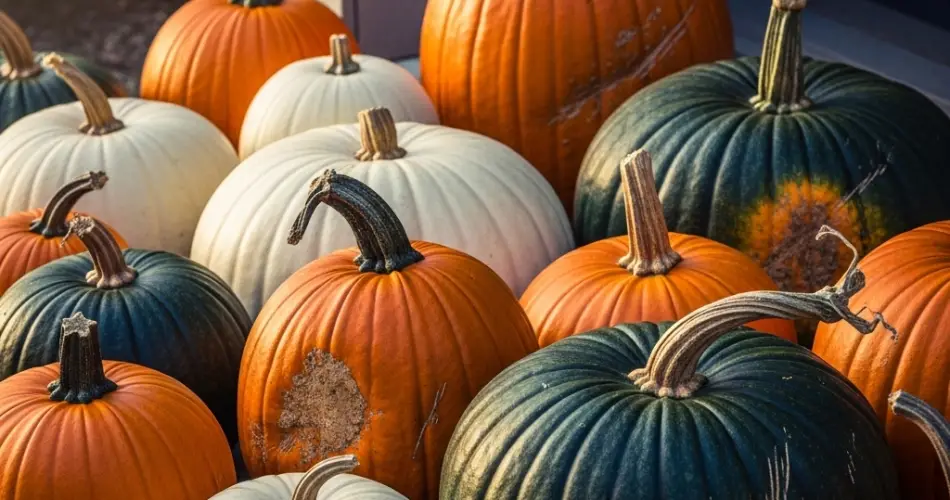
Think you can’t grow pumpkins because you only have a small yard? Think again. With the right techniques and a little planning, even gardeners with limited space can enjoy a bountiful pumpkin harvest. Pumpkins are more adaptable than many believe, and with container gardening, vertical support, and smart pruning, they can thrive in compact areas just as well as in traditional garden beds.
Choosing the Right Pumpkin Variety
The first step to success in small-space pumpkin growing is choosing the right variety. While the classic giant pumpkins used for Halloween displays are impressive, they are space hogs. Instead, opt for smaller or compact varieties such as:
-
Jack Be Little – Ideal for table decoration and small spaces.
-
Baby Boo – A white mini pumpkin variety that grows well in containers.
-
Sugar Pie – Excellent for baking and much smaller than traditional field pumpkins.
-
Bushkin – A bush-type pumpkin that doesn’t send out long vines.
These varieties are specifically bred for compact growth, making them ideal for small gardens or patio containers.
Starting Your Seeds
Pumpkins can be started indoors in biodegradable pots about 2–3 weeks before the last expected frost. Use rich, well-draining potting mix and place the seeds about 1 inch deep. Keep them warm and well-lit until they sprout. Once seedlings have at least two true leaves and all danger of frost has passed, they can be transplanted outside.
If you live in a warm climate, you can sow the seeds directly into containers or garden soil after the last frost. Make sure the location receives full sun—at least six hours a day.
Using Containers and Raised Beds
For those with minimal ground space, large containers or raised beds are perfect for pumpkin growing. Choose containers that are at least 20 gallons in size to accommodate root growth. Add rich, organic potting soil with compost to ensure your pumpkins have enough nutrients. Containers should have adequate drainage holes to prevent waterlogging.
Raised beds offer similar benefits and can be a space-saving solution when paired with vertical growing techniques. They also make it easier to control weeds and soil quality.
Growing Pumpkins Vertically
Vertical gardening is the ultimate space-saver and works surprisingly well with pumpkins. Use sturdy trellises, garden fences, or tomato cages to train the vines upward. As the vines grow, gently guide and tie them to the supports using soft cloth strips or garden ties.
Small pumpkin varieties can grow vertically without issue, but medium-sized ones may need support as they develop. Use slings made from old t-shirts or mesh produce bags to cradle the pumpkins and prevent the stems from snapping due to their weight.
Watering and Feeding
Pumpkins are thirsty plants. Water deeply at the base of the plant, keeping the foliage as dry as possible to prevent fungal diseases. Water consistently—especially during hot weather or when fruits are forming.
Feeding your plants regularly ensures strong vines and better fruiting. Use a balanced, organic fertilizer or compost tea every 2–3 weeks. When flowers appear, switch to a fertilizer that is higher in phosphorus and potassium to support fruit development.
Hand Pollination for Better Yields
In small gardens, natural pollinators may be limited. Hand pollination can increase your yield significantly. Male flowers appear first and have long, thin stems, while female flowers have a small fruit behind the petals. Use a soft paintbrush or cotton swab to transfer pollen from the male to the female flower early in the morning when the blooms are open.
Pruning for Control and Productivity
In tight spaces, pruning is essential. Remove excess vines and side shoots to encourage the plant to focus energy on producing fruit rather than more foliage. Limit the number of pumpkins per plant to 2 or 3 to allow each one to grow larger and healthier.
Regularly check for signs of disease or pests such as powdery mildew, aphids, and squash bugs. Treat problems early with organic sprays or by removing affected leaves.
Harvesting and Storage
Pumpkins are ready to harvest when they reach their mature color and the skin is hard. Press a fingernail into the rind—if it resists puncture, the pumpkin is ripe. Cut the stem with a sharp knife, leaving a few inches attached to the fruit. Avoid picking pumpkins by the stem, as this can cause premature rot.
Store your harvested pumpkins in a cool, dry place with good ventilation. Properly cured pumpkins can last for months, making them perfect for both decoration and cooking through fall and winter.
With the right planning and care, even the smallest garden can yield beautiful, healthy pumpkins. Whether you want decorative minis or delicious pie pumpkins, these adaptable vines can find a place in containers, on balconies, or along vertical trellises—proving that limited space is no obstacle to big gardening success.


