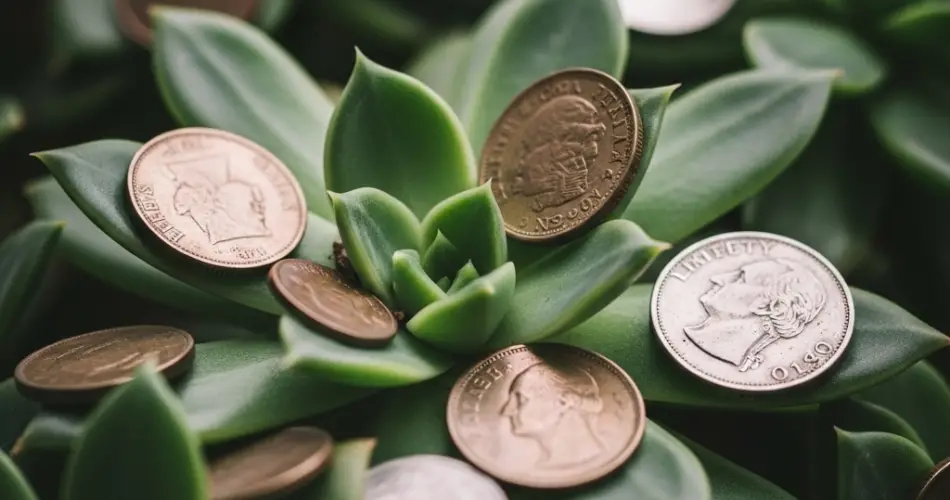
Have you ever heard that burying a coin near your plants can help them grow better? It may sound like an old wives’ tale, but using coins and other simple homemade fertilizers in your garden can actually benefit plant growth and flowering. This article explains how burying coins near your plants can improve their health, how to make a homemade fertilizer for flowering, and practical tips to help your plants thrive.
Why Bury Coins Near Plants?
Coins are made primarily of metals such as copper, zinc, and sometimes nickel, all of which are trace elements that plants need in very small amounts to grow healthily. Copper, for example, is a micronutrient essential for several physiological processes in plants, including photosynthesis and enzyme activity.
When you bury a coin near the roots of your plant, over time, small amounts of these metals can leach into the soil and provide micronutrients. This can:
-
Stimulate root development.
-
Improve nutrient absorption.
-
Enhance overall plant vigor.
-
Support stronger flowering and fruiting.
It is important to use coins sparingly and ensure the soil does not become overloaded with metals, which could harm the plant.
How to Bury a Coin Safely
To try this simple technique, follow these steps:
-
Choose a coin: Copper coins or pennies work best because copper is highly beneficial to plants. Avoid coins with coatings or heavy alloys.
-
Prepare the soil: Loosen the soil around the base of your plant.
-
Bury the coin: Insert the coin about 2-3 inches (5-7 cm) deep into the soil near the root zone.
-
Water regularly: Water the plant as usual to help dissolve and distribute the metals in the soil.
-
Monitor plant response: Watch your plant over the coming weeks for improved growth or flowering.
Homemade Fertilizer for Flowering Plants
In addition to burying coins, you can boost your plants’ flowering potential with homemade organic fertilizers. These natural mixtures provide essential nutrients in a gentle, eco-friendly way.
Here’s a simple recipe for a flowering fertilizer you can prepare at home:
Ingredients:
-
1 cup of banana peel pieces (rich in potassium and phosphorus)
-
1 tablespoon of crushed eggshells (calcium source)
-
1 cup of used coffee grounds (nitrogen and trace minerals)
-
1 liter of water
Instructions:
-
Combine banana peels, eggshells, and coffee grounds in a container.
-
Add water and mix well.
-
Let the mixture steep for 3-5 days, stirring occasionally.
-
Strain the liquid and dilute it with water (1 part fertilizer to 3 parts water).
-
Use this liquid fertilizer to water your flowering plants once every two weeks.
Benefits of Homemade Fertilizer and Coin Burying
-
Cost-effective: Using household waste and coins requires minimal investment.
-
Environmentally friendly: No harmful chemicals, supporting sustainable gardening.
-
Improved flowering: Potassium from banana peels and minerals from coins promote blooming.
-
Soil enrichment: Organic matter improves soil texture and microbial life.
Additional Tips for Healthy Flowering Plants
-
Sunlight: Most flowering plants need at least 6 hours of sunlight daily.
-
Watering: Keep soil moist but not waterlogged.
-
Pruning: Regularly trim dead or weak parts to encourage new growth.
-
Pest control: Use natural remedies like neem oil or insecticidal soap if pests appear.
-
Soil testing: Check soil pH and nutrient levels periodically for optimal results.
Final Thoughts
Burying a coin near your plants combined with using homemade organic fertilizers can be an effective way to nourish your plants and enhance flowering. While the coin slowly releases essential micronutrients, your homemade fertilizer provides a balanced mix of macro and micronutrients to promote strong growth and beautiful blooms.
This simple gardening hack is perfect for anyone looking to improve their plants’ health with natural, affordable methods. Give it a try and watch your garden flourish!


