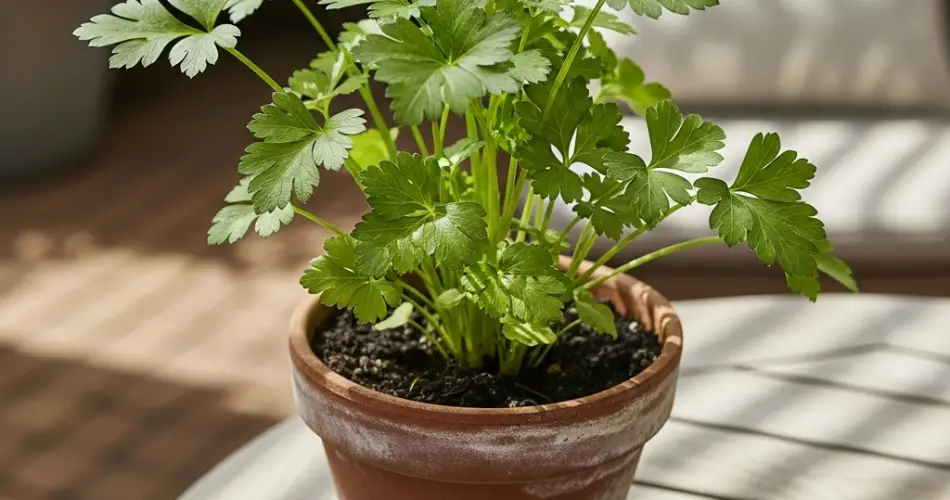
Parsley is one of the most versatile herbs you can grow at home. Whether you use it to brighten soups, garnish main dishes, or enhance the flavor of salads, having fresh parsley on hand makes everyday cooking more enjoyable. The good news is that you don’t need a large garden to cultivate it. With just a few pots on your patio, balcony, or even a sunny doorstep, you can grow lush, flavorful parsley throughout the year.
Why Choose Parsley for Container Gardening?
Parsley is a hardy, biennial herb that adapts well to container growing. It doesn’t require much space, making it perfect for urban gardeners or anyone with limited room. Unlike some herbs that grow quickly and bolt, parsley tends to stay compact and produces leaves steadily when cared for properly. By choosing pots, you gain more control over soil quality, watering, and placement. Plus, growing parsley close to your kitchen ensures you always have a fresh supply within reach.
Selecting the Right Pots and Soil
Parsley has a long taproot, which means it needs deep containers to thrive. Choose pots that are at least 10 to 12 inches deep. Wide pots or window boxes also work if you want to grow multiple plants together. Ensure the containers have drainage holes, as parsley dislikes sitting in waterlogged soil.
When it comes to soil, parsley prefers a rich, well-draining mix. A high-quality potting soil blended with compost is ideal. You can also add perlite or sand to improve drainage. Since parsley is a relatively heavy feeder, enriching the soil with organic matter at the beginning will keep your plants healthy and productive.
Planting Parsley in Pots
Parsley can be grown from seeds or young transplants. Starting from seed is more economical but requires patience, as parsley seeds germinate slowly. To speed up the process, soak the seeds in warm water overnight before sowing. Plant them about a quarter of an inch deep and cover lightly with soil. Keep the soil moist but not soggy until seedlings appear, which may take two to three weeks.
If you prefer a quicker start, purchase seedlings from a nursery and transplant them into your pots. Space multiple plants about 6 to 8 inches apart to allow room for growth.
Light and Temperature Needs
Parsley grows best in full sun but can tolerate partial shade, especially in warmer climates. Aim for at least 6 hours of sunlight daily. On patios that receive intense afternoon heat, providing some shade can help prevent the plants from drying out too quickly.
The herb thrives in moderate temperatures between 60°F and 75°F. If you live in a hot region, try moving your pots to a slightly cooler spot during peak summer heat.
Watering and Feeding
Consistent moisture is key to healthy parsley. Water the pots whenever the top inch of soil feels dry, ensuring the water drains freely. Avoid letting the soil completely dry out, as this can cause stress and reduce leaf quality.
To keep plants vigorous, feed them every 4 to 6 weeks with a balanced liquid fertilizer or a diluted fish emulsion. Since parsley grows continuously, regular feeding ensures lush green leaves for harvesting.
Harvesting Fresh Parsley
The best way to harvest parsley is to cut the outer, mature stems at the base while leaving the younger inner stems to continue growing. This method encourages steady production and prevents the plant from becoming woody. Avoid cutting more than one-third of the plant at a time to keep it healthy.
Flat-leaf parsley, often called Italian parsley, offers stronger flavor and is ideal for cooking. Curly parsley has a milder taste and works beautifully as a garnish. Depending on your needs, you may choose to grow one or both varieties.
Extending the Growing Season
Parsley is a biennial, meaning it produces leaves the first year and flowers the second year. If you want a continuous supply, consider planting new seeds every few months. In cooler climates, you can bring pots indoors before the first frost. Place them on a sunny windowsill or under grow lights to continue harvesting through winter.
Companion Planting Benefits
Growing parsley in pots on your patio also benefits other nearby plants. Parsley attracts pollinators and beneficial insects like hoverflies, which help keep pest populations in check. Pairing parsley with potted tomatoes, peppers, or basil can create a thriving mini garden with complementary flavors and pest resistance.
Final Thoughts
Growing parsley in pots on your patio is a simple, rewarding way to keep fresh herbs at your fingertips. With the right potting mix, consistent watering, and occasional feeding, you’ll enjoy a steady harvest of bright, aromatic leaves. Whether sprinkled over pasta, stirred into soups, or used as a garnish, your homegrown parsley will bring freshness and flavor to every dish.


