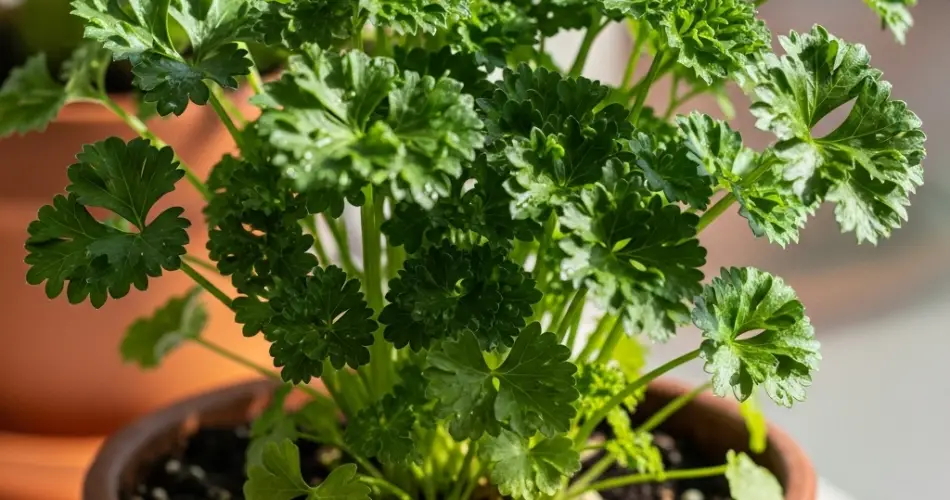
Parsley is a versatile and nutrient-rich herb widely used in cooking, garnishing, and even for health benefits. Its fresh, bright flavor enhances soups, salads, sauces, and a variety of main dishes. While parsley is often grown in garden beds, container gardening makes it possible to cultivate this herb year-round, regardless of outdoor space limitations. With a few simple techniques, you can enjoy a continuous supply of fresh parsley at home.
Growing parsley in containers offers several advantages, particularly for urban gardeners, apartment dwellers, or those with limited outdoor space. Containers allow for better soil control, mobility, and easy access for harvesting. Additionally, container gardening helps reduce the risk of pests and diseases that can affect ground-level gardens.
Choosing the Right Container
Selecting an appropriate container is crucial for healthy parsley growth.
Size and Depth
Parsley has a deep taproot, so containers should be at least 8–10 inches deep to accommodate root development. Wider containers allow multiple plants to grow together, promoting fuller foliage.
Material
Plastic, ceramic, or terracotta pots all work well. Terracotta offers good drainage and breathability, while plastic is lightweight and easy to move.
Drainage
Ensure the container has adequate drainage holes to prevent waterlogging, which can lead to root rot. If necessary, add a layer of small stones or gravel at the bottom to enhance drainage.
Selecting Soil and Planting
Parsley thrives in nutrient-rich, well-draining soil. A high-quality potting mix blended with compost or organic matter provides the best growing environment.
Steps for Planting Parsley
-
Fill the container with potting soil, leaving about 1–2 inches of space from the rim.
-
Sow seeds ¼ inch deep, spacing them about 2–3 inches apart if planting multiple seeds in the same container.
-
Water gently to settle the soil around the seeds.
-
Keep the soil consistently moist but not waterlogged until seeds germinate, which usually takes 2–3 weeks.
Parsley can also be grown from small transplants purchased from nurseries, which allows for faster harvest compared to seed propagation.
Caring for Parsley
Proper care ensures healthy, productive parsley plants.
Light Requirements
Parsley prefers full sun but can tolerate partial shade, especially in warmer climates. Provide at least 4–6 hours of sunlight per day for optimal growth.
Watering
Maintain consistent moisture, watering when the top inch of soil feels dry. Avoid letting the soil dry out completely, as parsley leaves may wilt and growth can slow.
Fertilizing
Feed container-grown parsley every 4–6 weeks with a balanced, water-soluble fertilizer or organic compost to encourage lush foliage.
Pruning and Pinching
Regularly pinch or harvest the outer leaves to encourage bushier growth. Avoid cutting the central growing point too early, as this can slow overall development.
Harvesting Parsley
Parsley can be harvested once plants reach 6–8 inches in height:
-
Cut the outer leaves first, leaving the inner growth intact to encourage continuous production.
-
Frequent harvesting promotes fuller, healthier plants.
-
Harvest early in the morning for the freshest flavor.
Both flat-leaf and curly-leaf varieties can be harvested in the same manner. The leaves can be used fresh, or preserved by freezing or drying for long-term storage.
Year-Round Parsley
Container gardening makes it possible to grow parsley throughout the year. During colder months, move containers indoors near a sunny window or under grow lights. In warmer months, place containers outdoors on balconies, patios, or windowsills with sufficient sunlight.
By rotating containers between indoor and outdoor locations, gardeners can maintain a continuous supply of fresh parsley regardless of the season.
Styling Your Parsley Container Garden
Parsley’s vibrant green leaves add both flavor and visual appeal to your home:
-
Use decorative pots to complement indoor décor or outdoor settings.
-
Group multiple herb containers together to create a compact kitchen garden.
-
Label containers for easy identification and a tidy appearance.
Container-grown parsley can be both a functional and attractive addition to any space, providing fresh ingredients at arm’s reach.
Final Thoughts
Growing parsley in containers is an easy, efficient, and rewarding way to enjoy fresh herbs year-round. With proper container selection, soil preparation, consistent care, and regular harvesting, parsley can thrive in small spaces, providing continuous culinary enjoyment.
Container gardening allows urban dwellers and small-space gardeners to maintain a vibrant, productive herb garden without requiring traditional garden beds. By following simple planting and care techniques, you can cultivate flavorful, aromatic parsley, ensuring your kitchen always has fresh herbs ready to enhance your meals.


