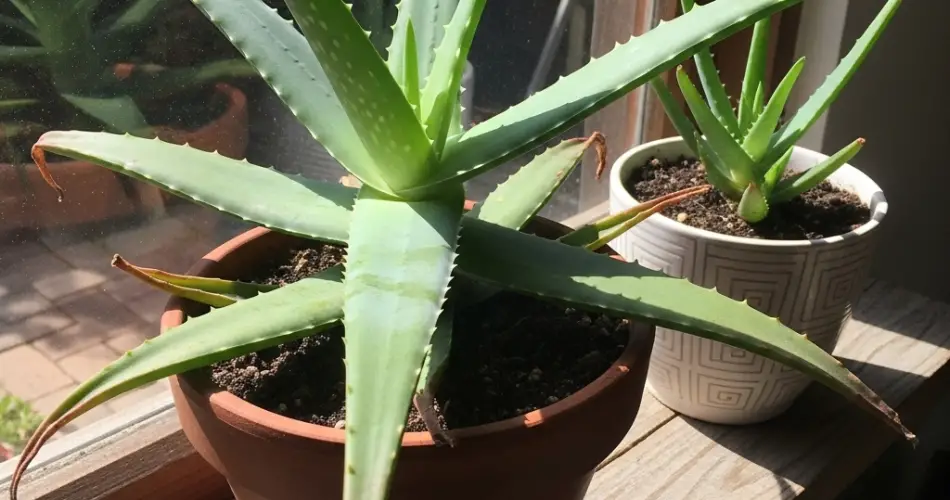
Aloe vera is one of the most popular and useful succulents grown around the world. Not only is it beautiful with its fleshy, upright leaves, but it’s also valued for its soothing gel, often used for skin care and minor burns. Aloe vera is naturally drought-tolerant and easy to care for, making it perfect for beginners and experienced gardeners alike.
While aloe vera thrives in many settings, the type of container you choose plays a major role in its overall health. Terracotta, ceramic, and plastic pots each have unique advantages—and understanding how they affect moisture, airflow, and root growth will help you select the best one for your plant.
Why Pot Material Matters
Aloe vera stores water in its leaves, meaning it’s prone to root rot if overwatered or kept in poorly drained soil. The pot material directly affects how quickly the soil dries out, making it an important factor in care and maintenance.
Terracotta Pots: Classic and Breathable
Benefits:
Terracotta pots are a top choice for aloe vera because they are porous, allowing moisture to evaporate through the sides of the container. This helps prevent overwatering—one of the most common causes of aloe plant failure. The material also allows for better air circulation around the roots, which is important for plant health.
Drawbacks:
Terracotta pots are heavier than other options and can break if dropped. They also tend to dry out soil more quickly, so you’ll need to monitor your plant to ensure it’s not underwatered.
Best Use:
Ideal for gardeners who may accidentally overwater or for plants kept indoors where humidity is higher.
Ceramic Pots: Stylish and Moisture-Retentive
Benefits:
Ceramic pots, especially glazed ones, are visually appealing and come in a variety of colors and patterns, making them a decorative choice for aloe vera. They retain more moisture than terracotta, which can be beneficial in very dry climates or for plants placed outdoors in hot conditions.
Drawbacks:
Because they hold moisture longer, ceramic pots can lead to overwatering if not monitored. Always ensure they have drainage holes to prevent water from pooling at the bottom.
Best Use:
Perfect for decorative indoor displays where style matters, as long as you adjust your watering routine accordingly.
Plastic Pots: Lightweight and Affordable
Benefits:
Plastic pots are lightweight, inexpensive, and available in countless shapes and sizes. They’re easy to move around and won’t break if dropped, making them a practical option for large aloe vera plants that need occasional relocation.
Drawbacks:
Plastic pots retain the most moisture compared to terracotta and ceramic, which means they can be risky for plants that prefer drier soil. Careful watering is essential to avoid root rot.
Best Use:
A good choice for outdoor plants in hot, sunny locations where the soil dries quickly, or for anyone who needs a pot that’s easy to handle.
Size and Shape Considerations
Regardless of material, the pot should be proportionate to the size of your aloe vera. Choose one that is just 1–2 inches wider than the plant’s root ball. Oversized pots hold more soil, which can trap excess water and increase the risk of rot.
Aloe vera roots spread outward rather than downward, so a shallow pot is often more suitable than a deep one.
Drainage Is Non-Negotiable
No matter which pot material you choose, drainage holes are essential. Aloe vera cannot tolerate sitting in water. If you fall in love with a decorative pot without drainage holes, use it as an outer cover for a smaller functional pot that does drain properly.
The Right Soil for Aloe Vera
Even the best pot won’t save aloe vera from soggy roots if the soil holds too much water. Use a fast-draining succulent or cactus mix, ideally containing coarse sand or perlite for better aeration.
A simple blend is:
-
2 parts cactus potting mix
-
1 part coarse sand or perlite
Repotting Tips
Aloe vera doesn’t need frequent repotting and often thrives slightly root-bound. Repot every 2–3 years or when the plant becomes too top-heavy.
Steps for repotting:
-
Select a new pot just slightly larger than the old one.
-
Gently remove the plant and shake off old soil.
-
Trim any damaged or rotting roots.
-
Replant in fresh, dry succulent mix and wait a few days before watering.
Final Thoughts
Terracotta, ceramic, and plastic pots can all work well for aloe vera—as long as you understand their unique properties and adjust care accordingly.
-
Choose terracotta for maximum breathability and protection against overwatering.
-
Select ceramic for style and moderate moisture retention.
-
Opt for plastic for portability and convenience in hot, dry environments.
Pair your chosen pot with fast-draining soil, proper watering habits, and a bright, sunny spot, and your aloe vera will remain healthy, vibrant, and ready to provide its natural beauty and benefits for years to come.


