Greenhouse gardening opens the door to year-round growing, even in climates with harsh winters or unpredictable weather. Whether you’re dreaming of juicy tomatoes in December or want a controlled space to start your seedlings early, a greenhouse can provide the perfect environment for your plants to thrive. For beginners, setting up and managing a greenhouse may seem overwhelming, but with the right guidance, it becomes an exciting and rewarding experience.
This beginner-friendly guide will walk you through the basics of greenhouse gardening—from setup and structure types to climate control and plant selection.
1. What Is Greenhouse Gardening?
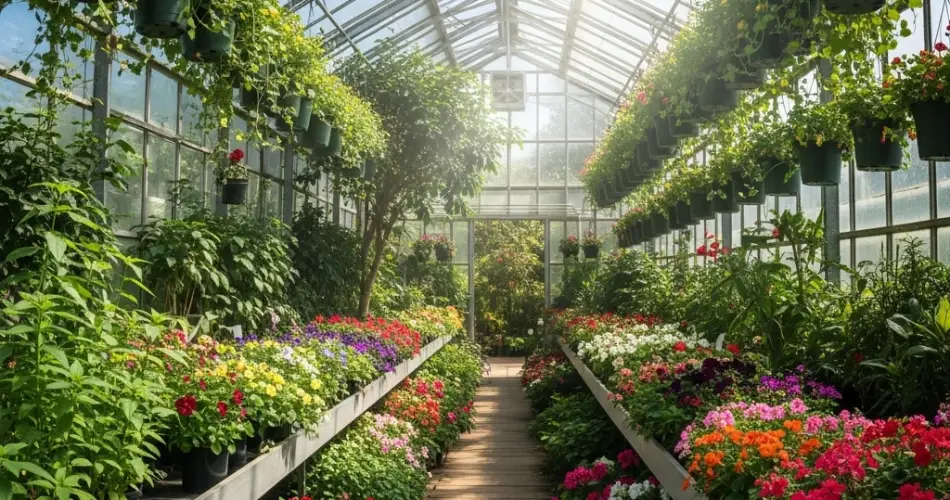
Greenhouse gardening involves growing plants inside a structure made of glass, plastic, or polycarbonate panels. The enclosed space traps sunlight and heat, creating a warm, humid microclimate ideal for many types of plants. This protected environment allows gardeners to grow crops outside the traditional growing season, extend harvests, and reduce pest and disease issues.
2. Choosing the Right Greenhouse
There are many types of greenhouses to choose from, depending on your space, budget, and goals.
Common types include:
-
Cold Frame: A small, low-cost structure used for hardening off seedlings or extending growing seasons. Best for temporary or seasonal use.
-
Mini Greenhouse: Compact, portable, and perfect for patios or balconies. Ideal for small-scale growers.
-
Hoop House (Polytunnel): Made from flexible piping and plastic sheeting. Affordable and easy to build.
-
Glass Greenhouse: Permanent and durable. Offers excellent light transmission and visual appeal but is more expensive.
-
Polycarbonate Greenhouse: Lightweight, strong, and provides good insulation. A great balance between cost and performance.
Tip: Before buying or building, measure your available space, consider local weather conditions, and determine what plants you plan to grow.
3. Site Selection and Setup
Location matters in greenhouse gardening. A well-placed structure ensures maximum sunlight exposure and protection from strong winds or shade.
Key setup considerations:
-
Sunlight: Choose a location that gets at least 6 hours of direct sunlight per day, especially during winter.
-
Shelter: Position your greenhouse in an area protected from high winds to reduce heat loss.
-
Drainage: Ensure the ground is level and well-draining to prevent water buildup.
-
Accessibility: Place it near your home or water source for convenience.
If installing a permanent structure, ensure you follow local building regulations and secure the foundation properly.
4. Controlling the Environment
The true power of a greenhouse lies in your ability to control the growing environment. This allows you to start seeds earlier, grow year-round, and protect plants from the elements.
Key factors to manage:
-
Temperature: Use ventilation (roof vents, side vents, or fans) to release excess heat. In colder months, a small space heater or passive solar setup can help maintain warmth.
-
Humidity: Maintain moderate humidity with good airflow. Overly humid environments can promote mold and mildew.
-
Watering: Install drip irrigation or water manually. Avoid overwatering, which can cause root rot in closed environments.
-
Lighting: In low-light seasons, consider adding LED grow lights to support plant growth.
-
Pest control: Regularly inspect plants. Although greenhouses reduce outdoor pest problems, aphids, whiteflies, and fungal issues can still occur in enclosed environments.
5. Best Plants for Greenhouse Growing
Greenhouses provide ideal conditions for many fruits, vegetables, herbs, and ornamental plants.
Great beginner-friendly crops include:
-
Vegetables: Tomatoes, cucumbers, peppers, lettuce, spinach, radishes
-
Herbs: Basil, parsley, thyme, oregano, mint
-
Fruits: Strawberries, melons (in larger greenhouses), dwarf citrus trees
-
Flowers: Geraniums, marigolds, pansies, begonias
Tip: Start with easy, fast-growing crops like lettuce and herbs to gain confidence before trying more demanding plants.
6. Seasonal Use of a Greenhouse
Your greenhouse can serve different purposes throughout the year:
-
Spring: Start seedlings early, grow cool-season vegetables like spinach and kale.
-
Summer: Grow heat-loving crops like tomatoes and peppers. Use shade cloths to prevent overheating.
-
Fall: Extend the harvest of summer crops and start cool-weather plants.
-
Winter: Grow hardy greens or use it for overwintering potted plants and herbs.
With careful crop planning and environmental adjustments, your greenhouse can be productive year-round.
7. Maintenance and Tips for Success
A successful greenhouse garden depends on regular maintenance and observation.
Best practices:
-
Clean the inside regularly to prevent disease buildup.
-
Sterilize tools and containers to keep pests and fungi away.
-
Rotate crops to avoid soil nutrient depletion and pest cycles.
-
Record your plantings and observations in a garden journal.
-
Stay attentive to the climate—adjust ventilation, watering, and light as needed.
Final Thoughts
Greenhouse gardening offers an exciting opportunity for beginners to grow fresh produce and vibrant flowers in a protected, climate-controlled setting. With the ability to extend seasons and customize growing conditions, a greenhouse can transform your gardening experience—whether you’re growing lettuce in winter or tomatoes well into fall.
Start small, stay observant, and experiment with crops suited to your goals and climate. With time and care, your greenhouse can become a thriving, productive space that brings joy and harvests throughout the year.