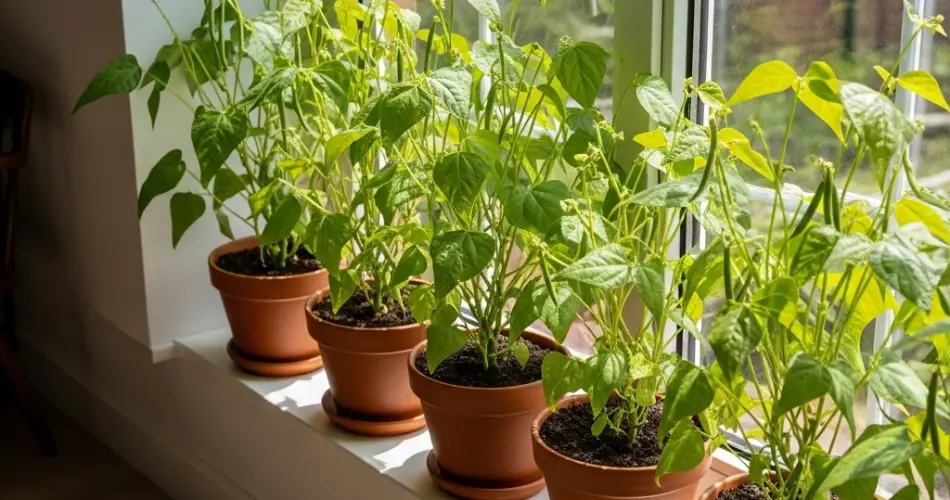
Green beans are one of the easiest and most rewarding vegetables to grow at home. Even if you don’t have a traditional garden, these crisp and tender pods can be successfully cultivated in containers. Whether you’re growing on a balcony, patio, or small backyard, green beans adapt well to pots and provide a continuous supply of fresh produce throughout the season.
Here’s a complete guide to growing green beans in pots, perfect for anyone working with minimal space.
Why Grow Green Beans in Pots?
Green beans are fast-growing, productive, and relatively low-maintenance. Container gardening gives you control over soil quality, reduces the risk of soil-borne diseases, and limits weeding. It’s also a great way to grow vegetables in urban or limited-space settings.
Choosing the Right Type of Green Beans
There are two main types of green beans:
-
Bush beans – Compact, grow 1 to 2 feet tall, and don’t require support. Ideal for containers.
-
Pole beans – Climbing vines that need trellises or stakes. Great for vertical gardening.
For small containers, bush varieties are typically easier. Popular bush types include:
-
‘Provider’
-
‘Contender’
-
‘Blue Lake Bush’
If you have vertical space and want a longer harvest window, pole beans such as ‘Kentucky Blue’ or ‘Scarlet Runner’ are excellent options.
Choosing the Right Container
Beans don’t need very deep pots, but they do need space for their roots to spread and for good drainage.
-
Use a container at least 8–12 inches deep.
-
For bush beans, a medium-sized container (12–16 inches wide) can hold 3–4 plants.
-
For pole beans, choose a larger container and place a trellis or poles early for the vines to climb.
Make sure the pot has several drainage holes to prevent waterlogging.
Soil Preparation
Green beans thrive in well-draining, fertile soil. A quality potting mix is essential.
Recommended mix:
-
2 parts all-purpose potting soil
-
1 part compost
-
A handful of perlite or sand for extra drainage
Avoid heavy garden soil, which can become compacted in pots and limit root growth. Pre-moisten the soil before planting to help seeds settle in evenly.
Planting Green Beans
Beans are best planted directly from seed, as they don’t transplant well.
Steps:
-
Sow seeds 1 to 1.5 inches deep and 3–4 inches apart.
-
For bush beans, you can plant multiple in one pot; for pole beans, space them near the support structure.
-
Cover with soil and water gently.
Beans prefer warm soil (around 65–85°F or 18–29°C), so wait until after the last frost to plant outdoors. Place the pot in a sunny location with 6–8 hours of sunlight daily.
Watering and Fertilizing
Green beans need consistent moisture, especially during flowering and pod production. Keep the soil evenly moist but not soggy.
-
Water deeply when the top inch of soil feels dry.
-
Avoid wetting the leaves, as this can promote disease.
Beans don’t need heavy feeding. Too much nitrogen will promote leaf growth but reduce pod production.
Feeding tips:
-
Mix a balanced slow-release fertilizer into the soil at planting.
-
Supplement with a liquid fertilizer every 3–4 weeks during growth.
Providing Support (For Pole Beans)
If you’re growing pole beans, install a trellis, bamboo teepee, or stake system at planting time. The vines will naturally twine as they grow. Without support, they will sprawl and produce less.
Bush beans don’t require support, though they may benefit from a light stake or cage if they become top-heavy with pods.
Common Pests and Problems
Keep an eye out for these common bean pests:
-
Aphids – Can be removed with a spray of water or neem oil.
-
Spider mites and beetles – Monitor foliage regularly.
-
Fungal issues – Avoid overhead watering and ensure good air circulation.
Containers reduce the risk of many soil-borne diseases, but cleanliness and monitoring are key.
Harvesting Green Beans
Green beans are typically ready for harvest 50–60 days after planting. Check daily once flowering begins.
Harvest tips:
-
Pick beans when they are young and tender, about the size of a pencil.
-
Use scissors or gently pinch to avoid damaging the plant.
-
Frequent harvesting encourages the plant to produce more pods.
Avoid letting beans over-mature on the plant, as it signals the plant to stop producing.
Extending the Harvest
-
Succession planting: Sow a new batch every 2–3 weeks for a steady supply.
-
Cut back pole beans slightly after the first harvest flush to encourage new growth.
You can also interplant herbs like basil or flowers like marigolds to deter pests and attract pollinators.
Conclusion
Green beans are a fantastic crop for small-space gardeners. With a little soil, sunlight, and care, your pots can overflow with crisp, delicious beans in just a few weeks. Whether you choose bush or pole varieties, container-grown green beans offer convenience, productivity, and unbeatable freshness—all from minimal space.


