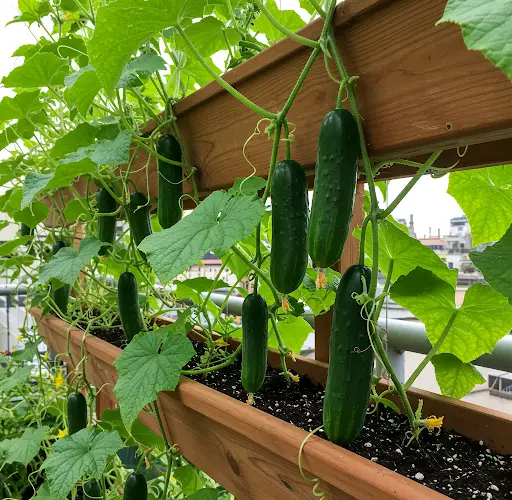
Cucumbers are a favorite among home gardeners thanks to their refreshing taste, fast growth, and generous yields. Whether you’re planting them in a small backyard, a rooftop garden, or containers on a balcony, growing cucumbers at home is simple, cost-effective, and incredibly rewarding.
With a little care and planning, you can enjoy sweet, crunchy cucumbers right from your own garden. This guide outlines a great method for growing cucumbers at home—even in limited space—to achieve high yields and delicious fruits.
Why Grow Cucumbers at Home?
Growing your own cucumbers offers several benefits:
-
Freshness: Homegrown cucumbers are more flavorful than store-bought ones.
-
Pesticide-free: You control what goes into the soil and onto your plants.
-
Space flexibility: Cucumbers can be grown vertically or in containers.
-
Quick harvest: Depending on the variety, you can start harvesting in 6–8 weeks.
-
High yield: With proper support and care, one plant can produce dozens of cucumbers.
Best Varieties for Home Growing
Select a variety based on your available space and climate. Here are a few popular options:
-
Bush cucumbers: Ideal for containers or small spaces.
-
Vining types: Produce more fruits but require trellising.
-
Pickling cucumbers: Smaller, crispier, and ideal for making homemade pickles.
-
Slicing cucumbers: Larger and perfect for fresh eating.
Look for disease-resistant varieties for easier maintenance and better results.
What You’ll Need
-
Cucumber seeds or seedlings
-
Fertile, well-draining soil or quality potting mix
-
Containers (minimum 12 inches deep) or ground bed
-
Organic compost or natural fertilizer
-
Trellis, stakes, or netting for vertical growth
-
Watering can or hose with gentle spray
-
Sunny location (6–8 hours of sun daily)
Step-by-Step Guide to Growing Cucumbers
1. Choose the Right Location
Cucumbers love warmth and sun. Pick a location that receives at least 6 hours of sunlight each day. If growing indoors or on a balcony, place containers where they get the most exposure to sunlight.
2. Prepare the Soil or Container
If planting in the ground, enrich the soil with compost or aged manure. For containers, use a mix of potting soil and compost for nutrients and good drainage. Avoid waterlogged soil, as cucumbers dislike soggy roots.
3. Sow Seeds or Transplant Seedlings
You can sow cucumber seeds directly into the soil or start them indoors and transplant later.
-
Direct sowing: Plant seeds 1 inch deep and 12–18 inches apart.
-
Transplanting: Wait until seedlings have 2–3 true leaves and soil temperature is above 65°F (18°C).
Water immediately after planting.
4. Add Vertical Support
Install a trellis, mesh, or vertical netting early on. This supports the vines as they grow, saves space, and improves air circulation—reducing the risk of disease. Vertical growth also keeps fruits clean and easier to harvest.
5. Watering and Feeding
Cucumbers are thirsty plants and need consistent moisture to avoid bitterness in fruits. Water deeply 2–3 times a week, or more often during hot weather. Always water at the base to keep leaves dry and avoid mildew.
Feed every 2–3 weeks with a balanced organic fertilizer or compost tea. Early on, nitrogen promotes leaf growth; later, phosphorus and potassium support flowering and fruiting.
6. Pollination Tips
Cucumber plants produce both male and female flowers. In most gardens, bees and insects handle pollination. However, if you notice flowers falling off or poor fruit development, you can hand-pollinate using a small brush or cotton swab.
-
Transfer pollen from the male flower (thin stem) to the female flower (with a baby cucumber at the base).
7. Watch for Pests and Diseases
Cucumbers can attract aphids, beetles, and powdery mildew. Here are some prevention tips:
-
Spray neem oil or garlic water weekly.
-
Keep leaves dry.
-
Remove dead or yellowing leaves to improve airflow.
-
Avoid overcrowding plants.
Regular monitoring helps you catch issues early.
Harvesting Cucumbers
Cucumbers grow fast—often ready for harvest 50–70 days after planting. Check plants daily, as cucumbers can grow quickly and become oversized.
-
Harvest when fruits are firm, uniformly green, and 6–8 inches long (or smaller for pickling).
-
Use scissors or pruning shears to cut cucumbers off the vine—pulling may damage the plant.
-
Pick regularly to encourage more fruit production.
Tips for Sweeter Cucumbers
-
Keep soil consistently moist.
-
Avoid over-fertilizing with nitrogen during fruiting.
-
Provide ample sunlight.
-
Harvest before the fruit gets too mature to prevent bitterness.
Final Thoughts
Growing cucumbers at home is not only easy but also a great way to enjoy fresh, sweet vegetables with minimal investment. With a few containers, a bit of sunlight, and regular care, you can turn any space—big or small—into a productive cucumber garden.
Try this method in your home garden, balcony, or rooftop and enjoy fresh cucumbers all season long. It’s a healthy, sustainable, and satisfying way to provide food for your family and connect with nature—right at your doorstep.


