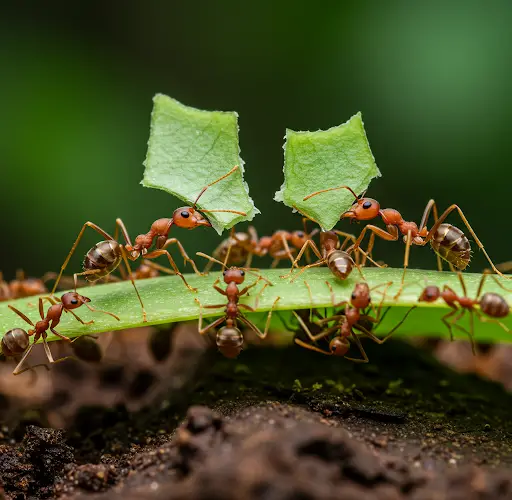
Effective and Cost-Free Method to Get Rid of Cutter Ants
Cutter ants can be a major problem for anyone who tends to their garden. They cause significant damage to plants and can be incredibly frustrating to deal with. If you’ve ever woken up to find that your plants have been destroyed overnight, you’re not alone. I’ve personally seen what these ants can do to my Pokan plant, and the damage was devastating. But here’s the good news: you don’t need to spend a penny or use harmful chemicals to get rid of these pests. There’s a simple, fast, and effective technique that will help you eliminate cutter ants from your garden for good.
Let’s start by looking at what these ants can do. In just one night, they destroyed my entire Pokan plant. They didn’t stop there—their trail spread to other plants in my garden, including my tangerines, oranges, and even my sugarcane. The damage was extensive, and I was at my wit’s end. That’s when I turned to a method shared by an agronomist, and I have to say, the results were incredible.
The Simple and Effective Solution
The solution involves using a common household item: cotton. You’ll be surprised by how effective this method is in stopping the ants in their tracks. Here’s how to do it:
-
Gather some cotton: You’ll need a piece of cotton, large enough to wrap around the base of your plant’s trunk.
-
Tie the cotton around the plant: Start by tying the cotton at the base of the plant’s trunk, both at the top and bottom. Make sure it’s secured tightly, so it doesn’t come loose.
-
How it works: When the cutter ants try to climb the plant’s trunk, they will encounter the cotton. As they step onto the cotton, the fibers will get stuck on their legs. This makes it difficult for them to continue climbing, and they’ll be forced to retreat. By placing cotton at both the top and bottom of the trunk, you ensure that even if they manage to bypass one area, they won’t be able to get past the other.
-
Why it works: The cotton sticks to the ants’ legs and prevents them from moving up the trunk. They can’t reach the plant to continue their destructive work. This simple barrier prevents the ants from doing further damage.
Additional Results: A Healthier Garden
In addition to saving your plants from these destructive pests, this method also promotes healthier growth. For instance, after using this technique on my orange tree, I noticed new leaves began to sprout. Without the cotton method, these new leaves might never have appeared. It’s truly a game-changer for anyone struggling with cutter ants.
This method is a perfect example of how a simple and natural solution can be just as effective—if not more so—than expensive chemical treatments. The beauty of this approach lies in its simplicity and the fact that it requires no investment. You don’t have to spend money on pesticides or other harmful chemicals. Instead, you can rely on a natural, cost-free remedy that delivers results.
Why This Method Works
Cutter ants are notorious for destroying plants, especially during the night when they’re most active. These ants are able to cut through leaves, branches, and even trunks. Their primary goal is to collect vegetation to feed their colonies. By using cotton, you essentially create an impassable barrier, forcing the ants to find a new route or abandon their attack altogether. This is a simple yet highly effective technique to protect your garden from further damage.
Final Thoughts
Dealing with cutter ants doesn’t have to be a costly or complex endeavor. By using a simple technique with cotton, you can protect your plants and ensure they remain healthy and thriving. This method is effective, quick, and easy to implement. It also ensures that you won’t be harming the environment with chemicals or spending money on expensive treatments.
If you’re dealing with cutter ants in your garden, try this method and see the results for yourself. It’s a perfect, eco-friendly solution that will keep your plants safe and allow them to flourish. With a little effort and the right approach, you can enjoy a beautiful, pest-free garden all year long.


