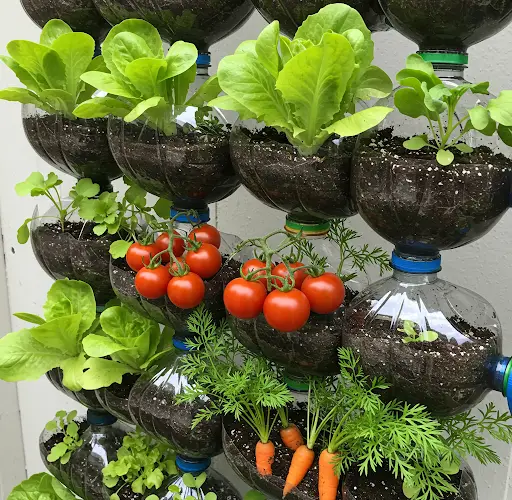
Get a Bountiful Harvest with the Idea of Growing Vegetables from Plastic Bottles
In today’s world, sustainable living and waste reduction have become more important than ever. One of the simplest and most creative ways to practice sustainability at home is by reusing plastic bottles to grow vegetables. Whether you live in a house with a garden or in a small apartment with limited space, this method is a brilliant solution that helps you grow fresh produce while reducing plastic waste.
Plastic bottles are durable, readily available, and surprisingly versatile. With a few simple tools and a bit of creativity, they can be transformed into productive planters for a wide range of vegetables—helping you enjoy fresh, homegrown food right from your balcony, windowsill, or backyard.
Why Use Plastic Bottles to Grow Vegetables?
Using plastic bottles for gardening has many advantages:
-
Eco-friendly: It helps reduce plastic waste and encourages recycling.
-
Space-saving: Ideal for small spaces, balconies, fences, and windows.
-
Cost-effective: No need to buy pots or containers—just reuse what you already have.
-
Portable: Easy to move around to catch more sunlight or bring indoors when needed.
-
Creative and fun: A great DIY project for both adults and kids.
What You Need
To get started, gather the following items:
-
Clean, empty plastic bottles (1.5 to 2-liter soda bottles work well)
-
A knife or scissors
-
Potting soil or a soil-compost mix
-
Vegetable seeds or seedlings (lettuce, spinach, coriander, green onions, chili, tomatoes, etc.)
-
String or wire (if you want to hang the bottles)
-
A nail or screwdriver to make drainage holes
Preparing the Plastic Bottles
There are a few different ways you can design your plastic bottle planter, depending on your space and preferences:
Horizontal Bottle Planter
-
Lay the bottle on its side and cut out a rectangular section on the top.
-
Poke small holes in the bottom for drainage.
-
Fill the bottle with soil and plant your seeds or seedlings.
-
Place it on a windowsill, shelf, or balcony ledge.
Vertical Bottle Planter
-
Cut off the bottom of the bottle.
-
Leave the cap on and poke a few drainage holes in it.
-
Fill the bottle with soil through the open bottom.
-
Insert the seedling or seed through a hole or opening in the side.
-
Hang it upside-down or upright using string or wire.
Hanging Bottle Tower
-
Stack multiple bottles vertically by cutting openings and threading them with string.
-
Each bottle can have one or more plants.
-
Ideal for leafy greens and herbs, which don’t need deep roots.
Make sure each bottle gets enough sunlight (at least 4–6 hours per day) and has good drainage.
Best Vegetables to Grow in Bottles
Many small or shallow-rooted vegetables grow perfectly in plastic bottles:
-
Lettuce: Quick to grow, doesn’t need deep roots.
-
Spinach: Grows well in containers and thrives with regular harvesting.
-
Green onions: Easy to regrow from kitchen scraps.
-
Coriander: Enjoys a bright location and well-draining soil.
-
Chili peppers: Can be grown in bottles if given enough sun.
-
Tomatoes (small varieties): Cherry or dwarf tomatoes can thrive in hanging bottles.
Caring for Your Bottle Garden
Watering
Since plastic bottles dry out more quickly than ground soil, check moisture levels often. Water daily during hot seasons, but ensure excess water drains to avoid root rot.
Sunlight
Place the bottles in a location that receives sufficient sunlight. Most vegetables require at least 4–6 hours of sun each day.
Fertilizing
Use compost or organic fertilizer every few weeks. A diluted compost tea or kitchen waste compost can keep your plants thriving.
Pest Control
Plastic bottles elevate your plants, helping to reduce exposure to ground pests. However, keep an eye out for aphids and other insects. Use natural pest repellents like neem oil if needed.
Harvesting Your Homegrown Produce
Once your vegetables mature, you can harvest them as needed. Leafy greens like lettuce or spinach can be cut multiple times for regrowth. Herbs like coriander can be pinched regularly to encourage bushier growth. Even compact tomatoes and chilies will bear fruit in a properly maintained bottle setup.
Harvest regularly to encourage more growth and keep your plants productive.
Tips for Success
-
Reuse water bottles, milk jugs, or even cooking oil containers.
-
Group bottle planters by sunlight and water needs.
-
Add labels to identify plants and track planting dates.
-
Rotate the bottles occasionally for even sun exposure.
-
Involve children in planting for an educational, hands-on experience.
Conclusion
Growing vegetables from recycled plastic bottles is an innovative way to bring gardening into your home without needing a lot of space or money. It helps reduce plastic waste while producing fresh, healthy food for your kitchen. Whether you’re new to gardening or an experienced green thumb, this eco-friendly technique offers a fun, rewarding experience.
With just a few bottles and some seeds, you can transform any sunny corner into a lush mini garden—proving that even the smallest spaces can yield a bountiful harvest.


