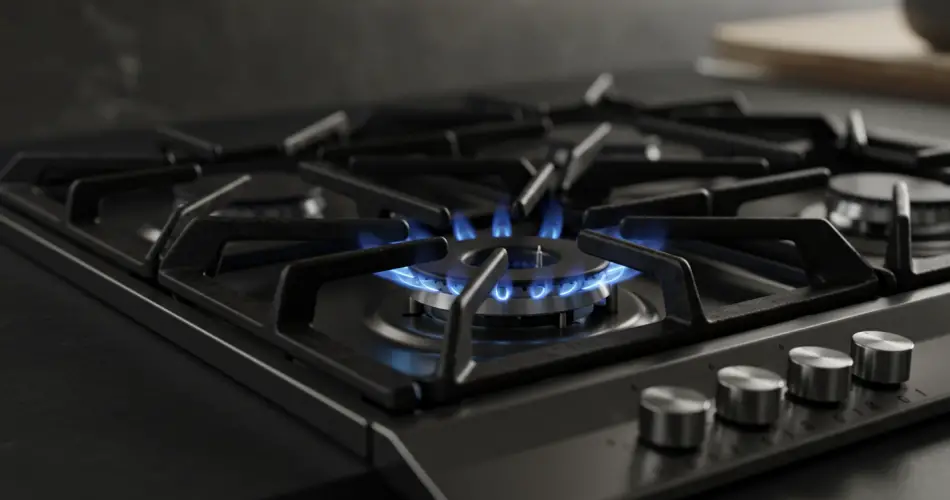
A dirty or greasy stovetop can make even the most modern kitchen feel cluttered and unhygienic. Over time, burnt-on food, spills, and stains can accumulate on burners, grates, and drip pans, leaving your stovetop looking dull and difficult to clean. While many people focus only on surface cleaning, the real key to restoring your gas burners to their original shine is to thoroughly clean every removable component and tackle grease and residue at the source. Fortunately, with a few simple household ingredients, you can transform your stovetop without harsh chemicals.
Why Proper Cleaning Matters
When cleaning a stovetop, it’s easy to rush through the task, wiping down the surface while neglecting the individual burners and grates. However, grease and food residue tend to accumulate in these areas, and over time, this can lead to corrosion or even rust. Cleaning burners properly not only restores their appearance but also helps maintain the longevity of your stovetop and ensures it functions efficiently.
Burners and grates are exposed to high heat and food spills daily, so neglecting them can make cleaning more difficult later. Regular maintenance is therefore essential for both hygiene and aesthetics.
Basic Cleaning Techniques
The first step in restoring your stovetop is to remove all removable parts, such as burners, caps, and grates. Clean these components separately to avoid damaging the stove’s surface and to ensure thorough cleaning. There are several effective methods to clean burners, but some ingredients stand out for their power and accessibility.
1. Vinegar and Water Solution
Vinegar is a natural degreaser, disinfectant, and polish that works wonders on stubborn stains. To use this method:
-
Combine 300 ml of water with 700 ml of white vinegar in a pot and bring the mixture to a boil.
-
Once it reaches a boil, remove the pot from the heat and place the burners and grates in the hot solution.
-
Let the components soak until the liquid cools completely.
-
After soaking, rinse thoroughly and, if necessary, gently scrub with a sponge to remove any remaining residue.
-
Dry each component carefully before reassembling the stovetop.
This method helps dissolve grease and food particles while leaving your burners with a pleasant shine.
2. Baking Soda Soak
Baking soda is another household favorite for degreasing and removing burnt-on stains. To use this method:
-
Add four tablespoons of baking soda to a pot of boiling water.
-
Stir until fully dissolved.
-
Submerge the burners and grates and let them soak for several hours.
Baking soda softens stubborn grime, making it easier to remove without excessive scrubbing. After soaking, rinse and dry thoroughly.
3. Salt for Stubborn Stains
Fine salt is a surprisingly effective ingredient for tackling tough stains. The process is similar to the methods above:
-
Dissolve three tablespoons of fine salt in a pot of boiling water.
-
Let the burners and grates soak for approximately an hour.
-
Rinse with clean water and dry with a cotton cloth.
Salt works as a mild abrasive, helping to lift burnt-on residue while being gentle on metal surfaces.
Citric Acid: The Secret Ingredient for Sparkling Burners
While vinegar, baking soda, and salt are excellent for soaking and degreasing, citric acid offers a powerful solution for both soaking and direct application. Citric acid is increasingly used in household cleaning for its natural descaling, degreasing, and polishing properties.
-
Dissolve 150 grams of citric acid in one liter of boiling water.
-
You can either soak the burners and grates in this solution or apply it directly to the stovetop.
-
For direct application, pour a small spoonful onto each burner and gently rub with a cloth or sponge.
-
Let it sit for about an hour.
-
Afterward, rinse or wipe thoroughly and dry completely to prevent rust.
Citric acid is particularly effective at removing stubborn grease and burnt-on food while restoring a brilliant shine.
Dealing with Persistent Stains
Even with soaking and cleaning, some stains or grease deposits may remain. For these tougher spots, a soft sponge can help scrub the components without scratching the metal.
You can also make a homemade degreaser for more challenging grease:
-
Dissolve a teaspoon of baking soda with some Marseille soap in 400 ml of water over a double boiler.
-
Pour the mixture into a spray bottle.
-
Spray the degreaser onto the burners, grates, and other kitchen surfaces, letting it sit for a few minutes before scrubbing.
This homemade degreaser is effective on both stovetops and cookware, offering an eco-friendly and affordable alternative to commercial cleaners.
Final Tips
-
Always dry components thoroughly after cleaning to prevent water spots or rust.
-
Regular maintenance, such as wiping spills immediately after cooking, prevents the buildup of stubborn stains.
-
Consider using citric acid or baking soda periodically to maintain cleanliness and avoid long-term accumulation of grime.
Conclusion
Cleaning and degreasing gas burners may seem like a tedious chore, but with the right approach and ingredients, it’s straightforward and rewarding. Vinegar, baking soda, salt, and citric acid are affordable, safe, and effective solutions that can bring your stovetop back to life. By dedicating a little time to proper cleaning and maintenance, you can enjoy sparkling burners, a hygienic cooking environment, and longer-lasting kitchen appliances.
With these methods, even the most neglected stovetop can be restored to its original brilliance, making your cooking space more enjoyable and efficient. Whether you opt for soaking, scrubbing, or applying citric acid directly, these natural solutions provide a reliable and cost-effective approach to everyday kitchen cleaning.