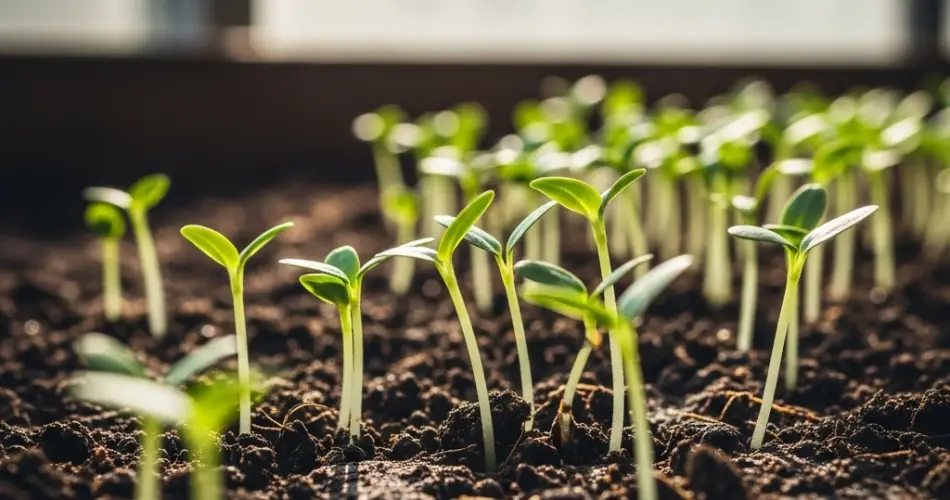
Growing healthy seedlings is the foundation of a successful garden. Yet, many gardeners struggle with weak, leggy, or sickly seedlings that fail to thrive once transplanted. What if there was a simple, natural way to transform even the most fragile seedlings into strong, vigorous plants in just two days? This is exactly what I discovered, and the results were beyond my expectations.
If you’ve ever felt frustrated watching your seedlings struggle, this article will share the secret to a powerful first feeding that boosts seedling health and growth dramatically.
The Problem with Weak Seedlings
Seedlings can become weak for many reasons: poor seed quality, improper watering, insufficient light, or lack of nutrients in the soil. Weak seedlings often appear thin, pale, or spindly — signs they aren’t getting what they need to develop properly. If left untreated, these seedlings may fail to establish strong roots or produce a good harvest later on.
Common signs of weak seedlings include:
-
Thin, elongated stems (a condition called “legginess”)
-
Yellowing or pale leaves
-
Slow or stunted growth
-
Poor root development
Seeing seedlings like this can be discouraging, especially after the time and care invested in starting seeds indoors.
A Simple Feeding that Changed Everything
I came across a natural, easy-to-apply feeding method that completely revitalized my weak seedlings in just 48 hours. To my surprise, what had been pale and frail suddenly turned thick, lush, and vibrant almost overnight.
This feeding isn’t complicated — it’s a gentle but nutrient-rich tonic that supplies seedlings with the essential vitamins, minerals, and natural growth stimulants they need right at the start of their development.
What Makes This First Feeding So Effective?
This first feeding works on multiple levels:
-
Stimulates Root Growth: Strong roots are the key to healthy plants. This feeding encourages rapid root development, allowing seedlings to better absorb water and nutrients from the soil.
-
Strengthens Stems and Leaves: By providing balanced nutrition, it helps seedlings develop thicker stems and fuller leaves, making them less vulnerable to bending or breaking.
-
Boosts Immunity: Seedlings treated with this feeding show increased resistance to common diseases and stress, helping them survive transplanting and variable weather.
-
Promotes Rapid Growth: The natural growth stimulants speed up seedling development so that even slow starters catch up quickly.
How to Use This Feeding for Best Results
Applying this first feeding is straightforward. Here’s how to do it:
-
Timing: Apply the feeding when seedlings have developed their first true leaves — usually about 10-14 days after germination.
-
Dilution: Use the feeding in a diluted form as recommended to avoid overwhelming the young plants.
-
Application: Water the seedlings gently with the solution, ensuring the soil is moist but not waterlogged.
-
Frequency: One feeding is usually enough to see a dramatic improvement in just two days.
What I Noticed After Two Days
The transformation was remarkable. Within 48 hours, the seedlings changed visibly:
-
Their stems thickened noticeably, becoming strong and upright.
-
The leaves gained a richer green color and looked fuller.
-
The plants looked sturdier and healthier overall.
-
Roots grew faster and spread well in their containers.
This rapid improvement meant the seedlings were ready for transplanting sooner and with better chances of survival and productivity.
Why Every Gardener Should Try This First Feeding
Whether you grow tomatoes, peppers, cucumbers, or flowers, starting with strong seedlings makes all the difference. This feeding method gives your plants a healthy jumpstart, reducing losses from weak starts and poor growth.
It’s also a natural, cost-effective alternative to expensive commercial fertilizers or complicated growth enhancers. The ease and speed of the results make it a favorite step in any gardener’s routine.
Tips for Healthy Seedling Growth Beyond the First Feeding
While the first feeding is crucial, maintaining good seedling care practices will maximize your success:
-
Provide adequate light — ideally 12-16 hours daily under grow lights or near a bright window.
-
Keep soil consistently moist but not soggy.
-
Ensure proper air circulation to prevent fungal diseases.
-
Avoid overcrowding seedlings to reduce competition for nutrients and light.
-
Harden off seedlings before transplanting by gradually exposing them to outdoor conditions.
Final Thoughts
If you’ve ever been disappointed by weak seedlings or slow early growth, give this simple first feeding a try. It can turn even the most fragile seedlings into healthy, robust plants in just two days, setting the stage for a strong growing season.
Strong seedlings grow into strong plants that produce bigger, healthier yields — and that’s what every gardener wants.


