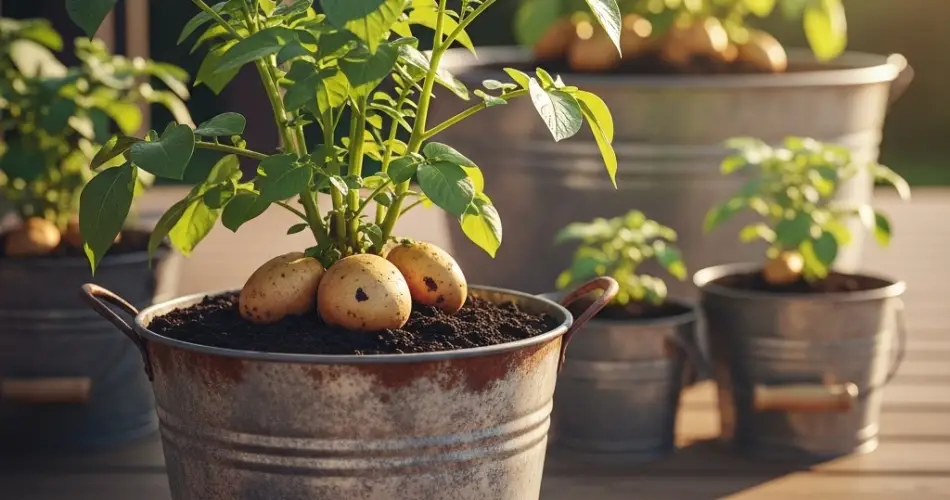
Potatoes are one of the most versatile and rewarding crops to grow at home. With their delicious flavor and nutritional value, they are a staple in kitchens around the world. While many gardeners associate potato cultivation with large garden plots, potatoes can actually thrive in containers, particularly buckets. This method is perfect for urban gardeners, balcony enthusiasts, or anyone with limited outdoor space. With the right care and setup, you can enjoy a productive harvest of homegrown potatoes using simple buckets.
Why Grow Potatoes in Buckets?
Container potato gardening offers several advantages:
-
Space efficiency: Buckets allow you to grow a large number of potatoes in a small area.
-
Soil control: You can provide loose, well-draining soil, essential for healthy tuber development.
-
Mobility: Buckets can be moved to optimize sunlight exposure or protect plants from extreme weather.
-
Pest and disease management: Growing in containers reduces the risk of soil-borne pests and diseases.
For beginners and urban gardeners, bucket-grown potatoes make planting, maintenance, and harvesting straightforward and rewarding.
Choosing the Right Bucket
Selecting a suitable container is crucial. A standard 5-gallon bucket or larger works well, but deeper containers (12–18 inches) are ideal for optimal root and tuber growth. Ensure the bucket has several drainage holes at the bottom to prevent waterlogging, which can lead to rot.
Buckets made of plastic, wood, or fabric all work, provided they are durable and allow proper drainage. If reusing old containers, clean them thoroughly and drill extra drainage holes as needed.
Preparing the Soil
Potatoes grow best in loose, well-draining soil rich in organic matter. Compact or clay-heavy soil can restrict tuber growth and produce misshapen potatoes. An ideal soil mix includes:
-
1 part garden soil
-
1 part compost or well-rotted manure
-
1 part perlite, sand, or coco coir for aeration
The soil should be slightly acidic to neutral, with a pH between 5.5 and 7.0. Mixing compost into the soil provides essential nutrients and encourages strong root and tuber development.
Selecting Seed Potatoes
Use certified seed potatoes rather than store-bought potatoes to reduce the risk of disease. Each seed potato should have at least one or two “eyes” (small sprouts). If the potatoes are large, cut them into pieces with one or two eyes each and allow them to dry for a day or two before planting.
Planting Potatoes in Buckets
-
Fill the bucket with 4–6 inches of prepared soil.
-
Place seed potatoes on the soil surface, eyes facing up.
-
Cover them with 3–4 inches of soil.
Potatoes are typically planted in early spring when the soil temperature reaches 45–55°F (7–13°C).
Watering and Care
Potatoes need consistent moisture, especially during the flowering and tuber development stages. Water the bucket when the top inch of soil feels dry. Avoid overwatering, which can cause rot, and under-watering, which may result in small or misshapen tubers.
As the plants grow, continue adding soil (or “hilling”) to cover the lower stems. This encourages the formation of more tubers and prevents them from being exposed to sunlight, which can turn them green and inedible.
Fertilization is important but should be balanced. Too much nitrogen encourages leafy growth at the expense of tuber production. Use a compost-rich soil or apply a balanced, low-nitrogen fertilizer every few weeks during the growing season.
Sunlight Requirements
Potatoes thrive in full sun, requiring at least 6–8 hours of direct sunlight each day. Place your buckets in a sunny spot on a balcony, patio, or garden to ensure strong growth and healthy tuber development.
Pests and Problems
While container-grown potatoes are less prone to many soil-borne pests, they can still face challenges such as aphids, potato beetles, and fungal diseases. Monitor plants regularly and treat pests early using organic methods such as neem oil or insecticidal soap. Good air circulation and proper watering practices help reduce the risk of fungal infections.
Harvesting Potatoes
The timing of the harvest depends on the variety and whether you want “new” potatoes or mature ones. New potatoes are ready about 10–12 weeks after planting, while mature potatoes are usually ready 15–20 weeks in.
To harvest, gently tip the bucket over and remove the soil to reveal the tubers. Be careful not to damage the potatoes during removal. Allow them to dry for a few hours before storing.
Storing Your Harvest
Store potatoes in a cool, dark, and well-ventilated space. Avoid storing them in plastic bags, as this encourages moisture buildup and rot. Properly stored, potatoes can last for several months.
Conclusion
Growing potatoes in buckets is an easy, efficient, and rewarding way to enjoy fresh, homegrown produce. With the right container, soil, seed potatoes, and consistent care, even gardeners with limited space can harvest delicious, nutritious potatoes. From planting to harvest, bucket gardening simplifies the process while producing abundant results. For beginners and urban gardeners, this method demonstrates that even root crops can thrive outside traditional garden beds, offering a practical and satisfying urban gardening experience.