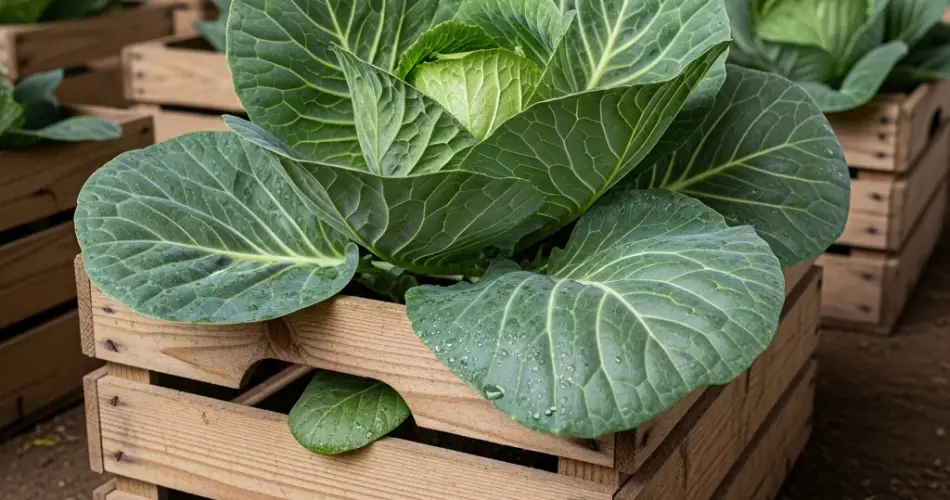
Cabbage is one of the most rewarding vegetables to grow—crisp, nutritious, and versatile in the kitchen. While many gardeners think it requires a large garden bed, it can actually thrive in compact spaces using wooden crates as raised beds. This approach makes it possible to grow fresh, crunchy cabbage right in your backyard, even if your available space is limited.
By planting cabbage in crates, you gain better control over soil quality, make maintenance easier, and keep your garden neat and organized. Whether you have a small patio, a tiny backyard, or a balcony with plenty of sun, crate gardening offers a practical and efficient solution.
Why Grow Cabbage in Crates
Growing cabbage in crates has several advantages over traditional ground planting:
-
Space efficiency – Perfect for small gardens and urban backyards.
-
Soil control – You can create the ideal growing mix without worrying about poor native soil.
-
Portability – Crates can be moved to follow the sun or avoid pests.
-
Reduced bending – The raised setup makes planting, watering, and harvesting easier on your back.
Because cabbage is a cool-season crop that thrives in rich, well-drained soil, a crate bed creates the perfect environment for healthy growth and compact, well-formed heads.
Choosing the Right Crates
Select sturdy, untreated wooden crates deep enough for cabbage roots—at least 12–14 inches. Avoid treated wood, as chemicals can leach into the soil. The crate should be wide enough to accommodate multiple plants while allowing adequate spacing.
Before planting, line the inside with landscape fabric, burlap, or a thick layer of cardboard. This will keep the soil from spilling out while still allowing excess water to drain.
Creating the Ideal Soil Mix
Cabbage needs nutrient-rich soil that retains moisture but drains well. A recommended crate mix includes:
-
40% garden soil – for structure and minerals.
-
40% compost – for organic matter and nutrients.
-
20% coconut coir or peat moss – for moisture retention and aeration.
You can also mix in a handful of well-rotted manure or an all-purpose organic vegetable fertilizer before planting.
Planting Your Cabbage
Cabbage can be grown from seeds or transplants. If starting from seed, sow them indoors 4–6 weeks before the last expected frost. Once seedlings are 3–4 inches tall and the soil is workable, they can be transplanted outdoors.
When planting in crates:
-
Space seedlings 12–14 inches apart to allow room for head development.
-
Place the crate in a location that gets 6–8 hours of direct sunlight each day.
-
Firm the soil gently around each seedling and water thoroughly after planting.
Watering and Feeding
Cabbage needs consistent moisture to grow crisp and tender. Because crate beds can dry out faster than in-ground beds, check the soil daily. Water when the top inch feels dry, ensuring deep moisture penetration to the roots.
Feed cabbage every 2–3 weeks during the early growth stage with a nitrogen-rich fertilizer to encourage leafy growth. Once heads start to form, switch to a balanced fertilizer to support both foliage and head development.
Pest and Disease Management
Cabbage is prone to pests like cabbage worms, aphids, and flea beetles. To protect your plants:
-
Cover with lightweight row fabric during early growth to block insects.
-
Check leaves regularly for pests and remove them by hand.
-
Use natural pest deterrents like neem oil or insecticidal soap if infestations occur.
Prevent diseases by ensuring good airflow, avoiding overhead watering, and rotating crops each season to reduce soil-borne problems.
Harvesting for Maximum Crunch
Your cabbage is ready to harvest when the heads feel firm and dense—usually 6–8 inches across for compact varieties. Use a sharp knife to cut the head at the base, leaving the outer leaves and roots in place.
If the root system remains intact, the plant may produce smaller side heads for a second harvest, extending your yield.
Benefits of Crate-Grown Cabbage
-
Neat and organized – Keeps your garden tidy while adding rustic charm.
-
Easy mobility – Move crates to optimize sunlight or protect from bad weather.
-
Better soil quality – Ideal for gardeners with poor native soil.
-
Weed control – Less weeding compared to in-ground beds.
Final Tips for Success
-
Choose compact cabbage varieties like ‘Golden Acre’ or ‘Stonehead’ for smaller crates.
-
Mulch the soil surface with straw or dried leaves to conserve moisture.
-
Keep an eye on soil fertility—top up with compost or organic fertilizer as needed.
By growing cabbage in crates, you can enjoy fresh, crunchy harvests even in the smallest backyard spaces. This method is simple, efficient, and highly rewarding, making it an excellent choice for gardeners who want to maximize yield without sacrificing neatness or quality.


