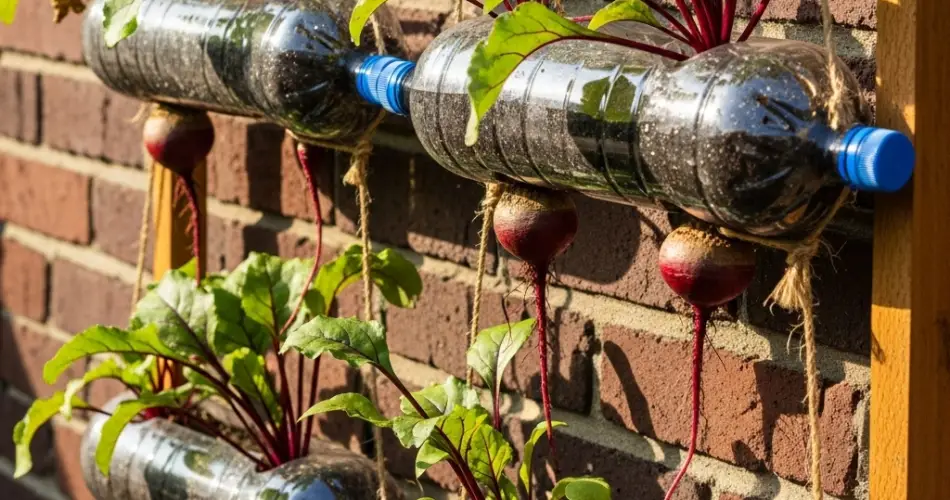
If you love growing your own vegetables but lack garden space—or if you simply want an efficient way to start your crops—sprouting beets in recycled plastic bottles is a clever and eco-friendly solution. This method allows you to germinate seeds in a controlled environment before transplanting them to garden beds or larger containers. It’s sustainable, budget-friendly, and surprisingly simple, making it ideal for urban gardeners, balcony growers, or anyone looking to maximize their harvest.
Why Start Beets in Bottles?
Beets are hardy root vegetables that benefit from a strong start. Germinating them in plastic bottles offers multiple advantages:
-
Space efficiency – Perfect for small spaces, windowsills, and balconies.
-
Recycling in action – Gives single-use bottles a second life.
-
Soil control – Ensures seedlings get the right texture and nutrients.
-
Protection – Shields young plants from pests, wind, and unpredictable weather.
-
Easy transplanting – Minimizes root disturbance when moving plants to the bed.
This technique is especially helpful in regions with unpredictable springs, as bottles act like miniature greenhouses, trapping warmth and moisture.
Preparing the Bottles
Select clear or lightly tinted plastic bottles, ideally 1.5–2 liters in size.
-
Cutting – Slice horizontally about two-thirds from the bottom, creating a base and a removable top “lid.”
-
Drainage – Poke small holes in the bottom for water to escape.
-
Ventilation – Leave the bottle cap off or drill a small hole to allow air circulation.
The removable top creates a simple, reusable cloche that helps maintain humidity and warmth for germination.
Soil Mix for Healthy Roots
Beets thrive in loose, nutrient-rich soil that drains well. For bottle planting, try this blend:
-
50% garden soil – For structure.
-
30% compost – Supplies organic nutrients.
-
20% perlite or coarse sand – Prevents compaction and improves drainage.
Before planting, mix in a small amount of balanced organic fertilizer, making sure it’s not too high in nitrogen. Too much nitrogen encourages leafy growth at the expense of root development.
Sowing Beet Seeds
Beet seeds are actually small clusters containing multiple embryos, so it’s common for several seedlings to sprout from one.
-
Depth – Sow seeds about ½ inch deep.
-
Spacing – Even in bottles, leave about 1 inch between seeds to make thinning easier later.
-
Watering – Lightly water until soil is evenly moist but not waterlogged.
Once planted, cover with the bottle’s top half to keep moisture consistent and protect from cold nights. Place bottles in a bright, sunny spot that receives at least 6 hours of sunlight daily.
Caring for Beets in Bottles
-
Moisture – Check soil daily; it should feel damp, not soggy.
-
Ventilation – On warm days, remove the bottle lid to prevent overheating.
-
Thinning – When seedlings are 2–3 inches tall, thin them so the strongest remain about 3 inches apart.
Maintaining consistent moisture is key—drying out can cause stress, while overwatering can encourage fungal problems.
Transplanting to the Garden Bed
When seedlings have 3–4 true leaves and the roots are starting to fill the bottle, they’re ready to move to their permanent growing space.
-
Hardening Off – Over a week, gradually expose seedlings to outdoor conditions for a few hours each day, increasing time daily.
-
Preparing the Bed – Choose a sunny, well-drained location with loose soil free from stones.
-
Transplanting – Carefully remove seedlings from the bottle, keeping the root ball intact, and plant at the same depth as before.
If growing in containers instead of a bed, ensure the pot is deep enough for full root development—at least 10–12 inches.
Pest and Disease Tips
Beets are relatively low-maintenance, but bottle starting can still help reduce early pest issues.
-
Leaf Miners – Remove any affected leaves immediately.
-
Fungal Diseases – Avoid overhead watering and ensure good airflow.
-
Crop Rotation – Avoid planting beets in the same spot year after year to reduce soil-borne problems.
Harvesting
Depending on the variety, beets mature in 50–70 days from sowing. For the sweetest flavor and best texture, harvest when roots are about the size of a golf ball to a tennis ball.
-
Loosen the soil around the beet before gently pulling it up.
-
Harvest greens along the way, but avoid removing too many leaves at once to keep roots growing strong.
Extra Tips for Success
-
In cooler climates, choose darker bottles to help absorb heat.
-
Try different varieties—red, golden, and striped beets all work well in bottles.
-
Keep a planting log so you know when each bottle batch is ready for transplanting.
Final Thoughts
Starting beets in recycled plastic bottles is more than a gardening shortcut—it’s a sustainable and highly effective way to raise healthy seedlings. By providing warmth, moisture control, and protection in the early stages, bottles give your beets the best possible start before moving them to the garden bed. Whether you have a sprawling plot or just a sunny balcony, this method ensures fresh, homegrown beets are always within reach.


