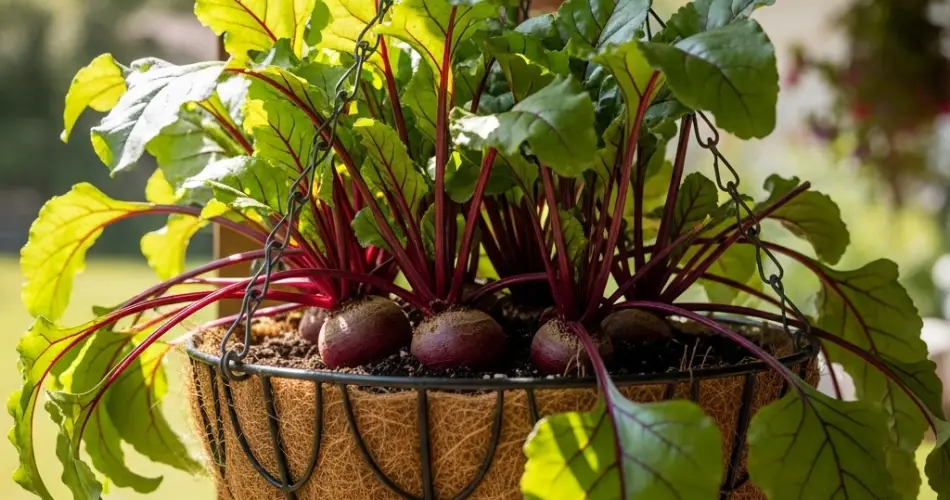
Red beets are a nutrient-rich vegetable, prized for their earthy flavor, vibrant color, and versatility in the kitchen. They can be roasted, steamed, pickled, or used raw in salads, providing a healthy addition to any meal. While beets are traditionally grown in garden beds, they also thrive in small-space basket gardens, making them an excellent choice for urban gardeners, balcony growers, and anyone with limited outdoor space.
Growing beets in baskets is both practical and visually appealing. Compact containers allow for better control of soil, drainage, and sunlight, while also creating an attractive display. With proper care, basket-grown beets can produce tender roots and lush greens throughout the growing season, ensuring a continuous supply of fresh, homegrown vegetables.
Why Basket Gardening Works for Beets
Beets are well-suited for basket gardening due to their moderate root depth and ability to grow in confined spaces. The benefits of using baskets include:
-
Space efficiency: Ideal for small patios, balconies, or urban gardens.
-
Good drainage: Elevated containers prevent waterlogging, which can damage roots.
-
Air circulation: Proper airflow reduces the risk of fungal diseases.
-
Aesthetic appeal: The combination of deep red roots and vibrant green tops creates a striking visual display.
These factors make baskets a practical and decorative solution for beet cultivation in compact spaces.
Choosing the Right Basket
Selecting the appropriate basket is crucial for successful beet growth:
-
Size: Choose a basket at least 12 inches deep and 12–14 inches wide to accommodate multiple roots and allow proper soil development.
-
Material: Woven or wire baskets lined with coconut coir, burlap, or moss provide breathability. Plastic baskets with drainage holes also work.
-
Support: Ensure hanging mechanisms or stands can support the weight of soil and growing plants.
-
Drainage: Adequate drainage prevents water accumulation and promotes healthy root systems.
A well-chosen basket provides stability, proper aeration, and an ideal environment for root growth.
Preparing Soil for Beets
Healthy, well-draining soil is essential for strong roots and leafy greens:
-
Lining: Use coconut coir, burlap, or moss to hold soil while allowing excess water to escape.
-
Drainage layer: Place a thin layer of gravel or small stones at the bottom to enhance drainage.
-
Soil mix: Use a lightweight, fertile potting mix enriched with compost. Adding perlite or vermiculite improves aeration and prevents soil compaction.
Well-prepared soil ensures healthy roots, lush tops, and high yields.
Planting Beets
Beets can be grown from seeds, which are easy to sow directly in baskets:
-
Seed spacing: Plant seeds ½ inch deep and 1–2 inches apart. Thin seedlings to 3–4 inches apart to allow room for roots to develop.
-
Watering: Keep the soil consistently moist until germination, which typically occurs within 7–14 days.
-
Succession planting: For a continuous harvest, sow seeds every 2–3 weeks or use multiple baskets.
Proper spacing and regular watering promote strong root development and healthy tops.
Sunlight and Temperature
Beets prefer moderate temperatures and plenty of sunlight:
-
Sunlight: Provide at least 6 hours of direct sunlight per day.
-
Temperature: Ideal growth occurs between 50–75°F (10–24°C).
-
Placement: Position baskets in a sunny location while avoiding excessive wind exposure.
Adequate light and proper temperatures ensure vibrant roots and tender greens.
Watering and Care
Baskets dry out faster than garden soil, so consistent care is essential:
-
Frequency: Check soil daily and water when the top inch feels dry.
-
Depth: Water deeply to reach the entire root system.
-
Mulching: Apply a light layer of straw or shredded leaves to retain moisture and regulate temperature.
Consistent care encourages vigorous root and leaf growth and prevents stress-related issues.
Fertilizing Beets
Beets respond well to light feeding:
-
Fertilizer: Use a balanced, diluted liquid fertilizer every 2–3 weeks.
-
Organic options: Compost tea or diluted fish emulsion supports natural, healthy growth.
Proper fertilization promotes strong roots, lush greens, and consistent harvests.
Harvesting Beets
Beets are typically ready for harvest 50–70 days after planting, depending on the variety:
-
Pick regularly: Harvest roots when they reach 1.5–3 inches in diameter for the best flavor and texture.
-
Method: Gently pull roots from the soil, being careful not to damage them.
-
Continuous harvest: Frequent picking encourages new growth and prevents overcrowding.
Harvesting at the right size ensures tender, sweet roots and maintains plant productivity.
Common Challenges
-
Pests: Aphids, leaf miners, and flea beetles may appear; natural sprays like neem oil or insecticidal soap can help.
-
Diseases: Proper drainage and good airflow reduce the risk of fungal issues such as powdery mildew.
-
Crowding: Thin seedlings as they grow to avoid stunted roots.
Monitoring plants and adjusting care ensures a healthy, productive basket garden.
Final Thoughts
Growing red beets in small-space baskets is an efficient, attractive, and practical way to enjoy fresh, homegrown vegetables. By choosing the right basket, preparing fertile soil, maintaining consistent watering and feeding, and harvesting regularly, you can enjoy tender, flavorful roots and lush greens directly from your balcony or patio.
Compact basket gardening maximizes limited space while creating a productive and decorative garden feature. With proper sunlight, care, and attention, basket-grown beets can provide a continuous supply of nutritious, vibrant vegetables throughout the growing season.


