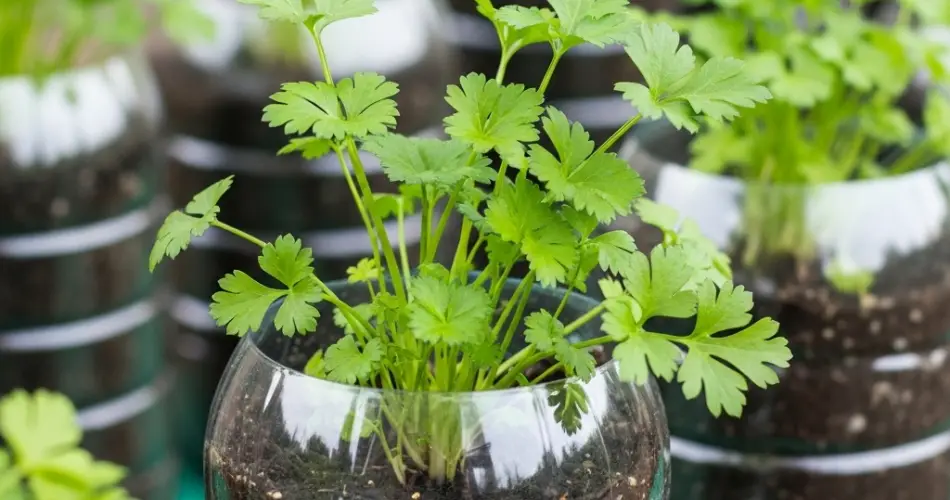
Parsley is more than just a garnish—it’s a flavorful, nutrient-rich herb that deserves a spot in every kitchen. Whether it’s the flat-leaf Italian variety or the curly type often used in salads and sauces, parsley is both delicious and easy to grow at home. Even if you don’t have access to a garden, parsley thrives beautifully in containers, making it perfect for windowsills, balconies, and patios.
With just a small pot, some good soil, and a sunny spot, you can keep this popular herb within arm’s reach all year round. Here’s a simple guide to help you grow fresh parsley in containers, no matter how much space you have.
Why Grow Parsley in Containers?
Growing parsley in containers has several advantages. First, it saves space, making it ideal for urban gardeners. Second, it allows you to control soil quality and drainage more easily than in-ground planting. Lastly, container gardening lets you move your plant to follow the sun or bring it indoors during bad weather.
Parsley is a cool-season biennial, but when grown in containers, it can thrive almost year-round if protected from extreme heat or frost. Regular harvesting encourages new growth, so you can enjoy a steady supply of fresh leaves for months.
Choosing the Right Container
Parsley has a taproot, so it benefits from deeper containers. Choose a pot that is at least 20 cm (8 inches) deep and wide enough to accommodate several plants if needed. Plastic, clay, ceramic, or even upcycled containers will work well—just make sure there are drainage holes at the bottom to prevent waterlogging.
If you plan to grow parsley indoors, consider a self-watering container or place a saucer underneath to catch excess water.
Selecting Soil and Fertilizer
Use a high-quality potting mix that is well-draining and rich in organic matter. Avoid using garden soil directly, as it may compact in pots and hinder drainage. You can mix in compost or worm castings to boost fertility naturally.
Parsley grows best in slightly acidic to neutral soil (pH 6.0 to 7.0). Fertilize every 4–6 weeks with a balanced liquid fertilizer, or use a slow-release organic fertilizer at planting time. Avoid over-fertilizing, as this can lead to lush leaves with weaker flavor.
Starting from Seed or Seedling
Parsley can be started either from seeds or transplants. Seeds are cost-effective but slow to germinate—taking 2 to 4 weeks—so patience is needed. To speed up germination:
-
Soak seeds in warm water for 12–24 hours before planting.
-
Sow seeds about 0.5 cm deep in moist soil.
-
Cover lightly and keep in a warm location with indirect sunlight.
If using seedlings from a nursery, gently transplant them into your container, spacing them about 10 cm apart. Water thoroughly after planting.
Placement and Light Requirements
Place your container in a location that receives at least 4–6 hours of sunlight daily. A sunny windowsill, balcony, or patio is perfect. While parsley prefers full sun, it can tolerate partial shade, especially in warmer climates where afternoon shade helps prevent stress.
Rotate your pot occasionally to encourage even growth on all sides.
Watering and Maintenance
Parsley prefers consistently moist soil but not soggy conditions. Check the soil by sticking your finger about 2 cm into the soil—if it feels dry, it’s time to water.
Water deeply and let the excess drain out. In hot or windy weather, you may need to water more frequently, especially in smaller containers that dry out quickly. Avoid letting the soil dry out completely, as this can cause the plant to bolt or become bitter.
Remove yellow or damaged leaves regularly to encourage healthy growth and airflow around the base of the plant.
Harvesting Parsley
You can begin harvesting parsley once the plant reaches about 10–15 cm in height and has several clusters of leaves.
-
Always cut the outer stems first, near the base, to encourage new central growth.
-
Use clean scissors or garden shears to avoid damaging the plant.
-
Avoid harvesting more than one-third of the plant at a time to keep it vigorous.
Flat-leaf parsley has a stronger flavor and is often preferred for cooking, while curly parsley is great for garnishing and lighter culinary uses.
Extending the Life of Your Parsley
Parsley is a biennial, meaning it typically lasts two years. In its second year, it may bolt (produce flowers), especially in warmer climates. Once it bolts, the leaves become bitter. To extend its productivity:
-
Pinch off flower stalks as soon as they appear.
-
Regularly harvest and prune to keep the plant compact and leafy.
For a continuous supply, consider starting new plants every few months, especially if you’re growing from seed.
Conclusion
With minimal effort and a simple container setup, you can enjoy the convenience of fresh parsley just steps away from your kitchen. Container gardening is a rewarding way to grow herbs at home, and parsley is one of the easiest to maintain. Whether you’re snipping a few leaves for garnish or using a generous bunch for a vibrant sauce, fresh homegrown parsley adds flavor, color, and vitality to your meals year-round.


