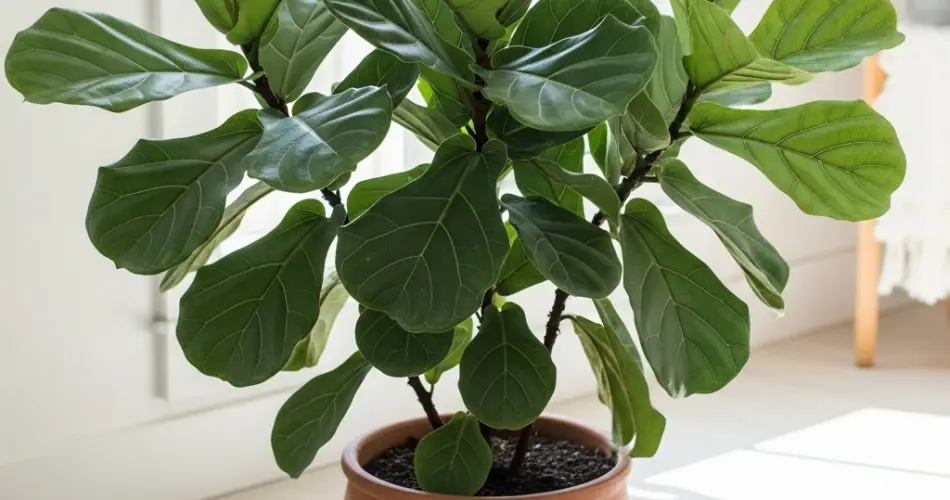
The fiddle leaf fig (Ficus lyrata) has become a beloved houseplant thanks to its tall, dramatic form and large violin-shaped leaves. While its beauty makes it a striking centerpiece, caring for this plant can sometimes be challenging—especially when it comes to watering. Too much or too little water can quickly lead to yellowing leaves, root rot, or a weakened plant. The key to success lies in understanding how often to water, what type of soil to use, and how to ensure proper drainage.
Why Watering Matters So Much
Fiddle leaf figs are native to tropical regions of West Africa, where they thrive in warm, humid environments with consistent moisture. However, indoors, it is easy to overcompensate or underdeliver when it comes to watering. Overwatering is one of the most common mistakes and often leads to root rot, while underwatering causes crispy, drooping leaves. Finding the right balance ensures that your fiddle leaf fig stays strong and vibrant.
How Often to Water a Fiddle Leaf Fig
There is no one-size-fits-all watering schedule for fiddle leaf figs. Instead, frequency depends on factors like pot size, soil type, indoor temperature, and light exposure.
-
General guideline: Most fiddle leaf figs need water every 7–10 days during the growing season (spring and summer). In fall and winter, watering every 10–14 days is usually enough.
-
Soil check method: Insert your finger 2–3 inches into the soil. If it feels dry at that depth, it’s time to water. If it’s still damp, wait a few days and check again.
-
Leaf signals: Drooping, soft, or yellowing leaves can mean the plant is overwatered, while brown, crispy edges suggest underwatering.
Adapting to the plant’s needs rather than following a rigid routine is the best way to maintain consistent moisture.
The Best Way to Water
How you water is just as important as how often. Fiddle leaf figs benefit from deep, thorough watering.
-
Water slowly: Pour water evenly over the soil surface until you see excess water draining from the bottom of the pot.
-
Empty the saucer: Never let the plant sit in standing water, as this can suffocate roots.
-
Avoid shallow watering: Giving small amounts of water too frequently keeps only the topsoil moist and prevents deep root development.
This soak-and-dry method mimics natural rainfall patterns, encouraging a healthier root system.
Choosing the Right Soil
Soil plays a crucial role in how well your fiddle leaf fig manages moisture. The wrong soil type can trap excess water, increasing the risk of root rot.
-
Well-draining mix: A high-quality indoor potting mix amended with perlite, bark, or coarse sand ensures proper airflow and drainage.
-
Moisture retention balance: While drainage is important, the soil should still hold enough moisture to sustain the plant between waterings. A mix designed for tropical houseplants or a blend of peat moss, perlite, and pine bark works well.
-
Avoid heavy soils: Garden soil or compacted mixes hold too much water and should not be used.
Repotting every 1–2 years refreshes the soil, prevents compaction, and gives roots room to expand.
Importance of Proper Drainage
Even with careful watering and good soil, poor drainage can still cause problems. Roots need both water and oxygen, and if water remains trapped in the pot, the plant quickly suffers.
-
Choose the right pot: Always use a pot with drainage holes. Containers without holes may look decorative but put your plant at high risk for root rot.
-
Use a drainage layer: Adding a thin layer of gravel or clay pebbles at the bottom of the pot can improve water flow.
-
Consider pot material: Terra cotta pots are porous and help moisture evaporate more quickly than plastic or ceramic, reducing the chance of overwatering.
Good drainage ensures that excess water escapes and that roots remain healthy.
Seasonal Adjustments
Fiddle leaf figs require different care depending on the season.
-
Spring and summer: Active growth means the plant uses more water. Check soil moisture more often and increase watering frequency as needed.
-
Fall and winter: Growth slows, so the plant requires less water. Overwatering is especially common during these months, so allow the soil to dry more between waterings.
-
Humidity boost: Indoor heating during winter dries the air. While you should water less, maintaining humidity through a humidifier or pebble tray helps keep leaves from drying out.
Signs of Watering Problems
Watching your fiddle leaf fig closely helps catch watering issues early.
-
Overwatering signs: Yellowing leaves, brown spots, mushy stems, and soggy soil.
-
Underwatering signs: Drooping leaves, brown edges, and soil pulling away from the pot’s edges.
-
Root rot indicators: A foul smell from the soil and black, mushy roots. If root rot develops, immediate repotting with fresh soil is necessary.
Conclusion
Mastering the balance of water, soil, and drainage is the foundation of successful fiddle leaf fig care. By checking soil moisture before watering, using a well-draining mix, and ensuring proper pot drainage, you can prevent common issues like root rot and leaf drop. With these techniques, your fiddle leaf fig will grow tall, lush, and remain a beautiful focal point in your home.


