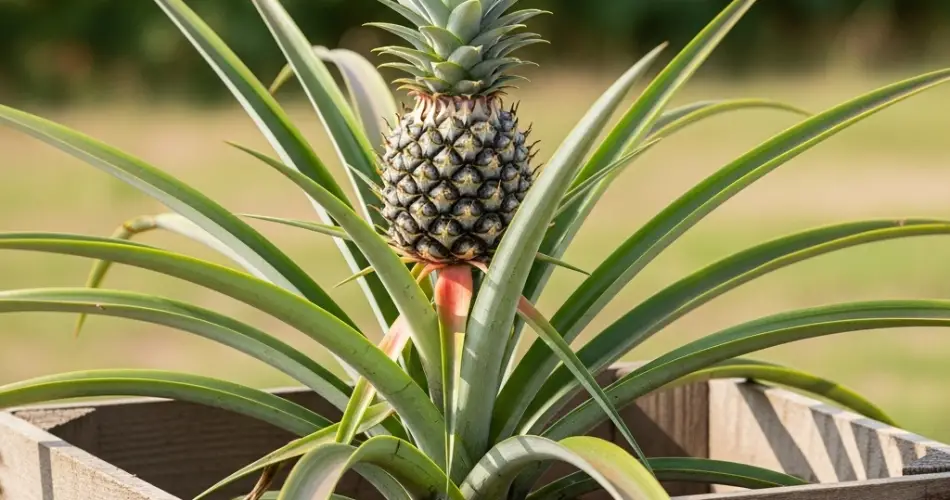
Pineapples are one of the most rewarding tropical fruits to grow at home. With their spiky leaves, sweet aroma, and vibrant golden fruit, they bring both beauty and flavor to any garden. While many gardeners assume pineapples need large fields or specialized conditions, they can actually thrive in wooden crate planters, making them perfect for patios, balconies, or small backyards. However, the key to success lies in proper fertilization. Because pineapples are slow growers and heavy feeders, providing the right nutrients at the right time ensures healthy plants and sweet, juicy fruit.
Why Grow Pineapples in Wooden Crates?
Wooden crates offer a rustic, functional solution for container pineapple gardening. They provide excellent drainage, allow root expansion, and can be customized to suit your space. Compared to plastic pots, crates are breathable, preventing root rot and heat stress. When combined with the right fertilizer regimen, crate-grown pineapples can match, or even outperform, those grown in the ground.
Other benefits include:
-
Mobility – Crates can be moved to sunnier areas when needed.
-
Soil control – You can create a custom soil mix tailored to pineapple growth.
-
Eco-friendliness – Reclaimed or untreated wood crates are a sustainable choice.
Understanding Pineapple Nutrition Needs
Pineapples are unique because they are part of the bromeliad family, which means they absorb nutrients differently from many other fruits. They have shallow root systems and require consistent feeding to maintain vigor. Their main nutritional needs include:
-
Nitrogen (N) – For healthy, green leaves and steady growth during the vegetative stage.
-
Phosphorus (P) – Supports strong roots and early plant development.
-
Potassium (K) – Essential for fruit size, sweetness, and overall plant health.
-
Micronutrients – Magnesium, iron, and manganese are especially important for preventing leaf yellowing and improving fruit quality.
Because pineapples grow slowly (taking 18–24 months from planting to harvest), a long-term fertilization plan is crucial.
Preparing the Soil in Wooden Crates
Before planting, fill the crate with a well-draining soil mix. Pineapples prefer slightly acidic soil with a pH of 4.5–6.5. A recommended mix includes:
-
40% high-quality potting soil
-
30% coarse sand or perlite for aeration
-
20% compost for fertility
-
10% coconut coir or peat moss for moisture retention
Mix in a slow-release organic fertilizer at planting time to give the pineapple a head start.
Fertilizing Schedule for Crate-Grown Pineapples
1. Early Growth Stage (0–6 months)
-
Apply a balanced fertilizer with equal parts nitrogen, phosphorus, and potassium (such as 10-10-10).
-
Feed lightly every 4–6 weeks.
-
Foliar feeding (spraying diluted liquid fertilizer directly onto the leaves) is especially effective since pineapples absorb nutrients through their leaf bases.
2. Vegetative Growth Stage (6–12 months)
-
Increase nitrogen to encourage strong leaf growth. Use an organic option like fish emulsion or compost tea.
-
Apply fertilizer every 4 weeks, alternating between soil feeding and foliar feeding.
-
Add trace minerals like magnesium sulfate (Epsom salt) once every two months to prevent yellow striping on leaves.
3. Pre-Flowering Stage (12–18 months)
-
Switch to a fertilizer higher in potassium, such as 5-10-20, to prepare the plant for fruiting.
-
Continue feeding monthly, but reduce nitrogen to avoid excessive leaf growth at the expense of fruit development.
-
Maintain consistent watering, ensuring soil is moist but not soggy.
4. Fruiting Stage (18–24 months)
-
Use a potassium-rich fertilizer to boost fruit sweetness and size.
-
Apply fertilizer around the base and spray a diluted liquid feed directly into the leaf rosette every 3–4 weeks.
-
Stop fertilizing once the fruit begins to mature and show golden color.
Organic Fertilizer Options for Pineapples
If you prefer sustainable and chemical-free methods, several organic options work well in wooden crates:
-
Compost tea – Provides balanced nutrients and beneficial microbes.
-
Banana peel tea – Rich in potassium for fruiting.
-
Epsom salt solution – Supplies magnesium for greener leaves.
-
Fish emulsion – Excellent nitrogen boost during growth.
-
Seaweed extract – Enhances root health and resistance to stress.
These can be alternated with commercial fertilizers for a balanced approach.
Common Fertilization Mistakes to Avoid
-
Over-fertilizing – Too much fertilizer can burn roots and damage leaves.
-
Neglecting micronutrients – Pineapples easily show deficiencies if magnesium, iron, or manganese are lacking.
-
Poor drainage – Even with good fertilization, waterlogged soil prevents nutrient absorption.
-
Inconsistent feeding – Pineapples grow slowly but steadily; skipping months of feeding will delay fruiting.
Final Thoughts
Growing pineapples in wooden crate planters is not only practical but also deeply rewarding. With the right fertilization schedule, you can nurture healthy plants and harvest sweet, homegrown pineapples without needing a tropical plantation. The combination of proper soil preparation, consistent feeding, and crate gardening makes it possible for anyone—whether in a city apartment or a small backyard—to enjoy this exotic fruit.
By understanding pineapple nutrition needs and applying fertilizers carefully, you set the stage for lush green growth, fragrant blooms, and a golden fruit that tastes far superior to store-bought varieties. With patience and care, your crate-grown pineapple will be a centerpiece of both your garden and your kitchen.


