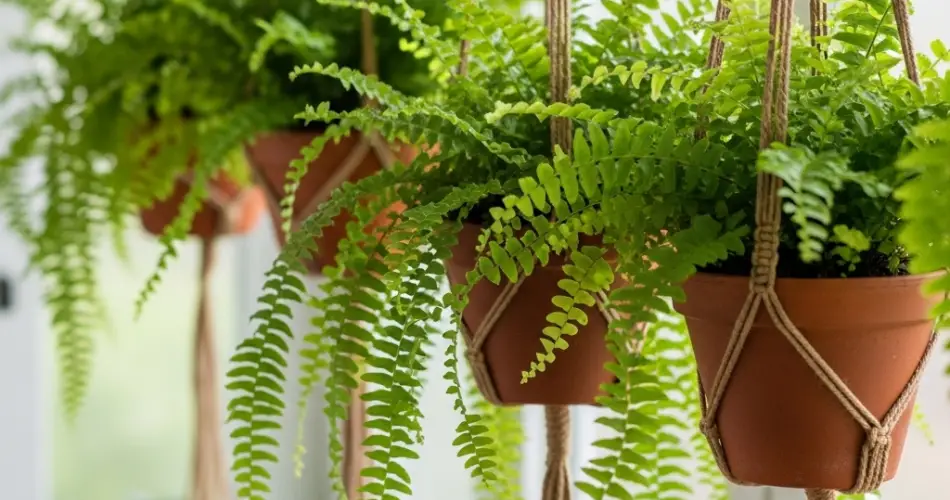
Ferns are a timeless favorite for indoor greenery, prized for their graceful, feathery fronds and their ability to bring lush texture into any room. While ferns are often considered a bit finicky, the key to success is understanding their natural needs and replicating those conditions indoors. With the right light, humidity, watering routine, and maintenance, your indoor ferns can remain full, vibrant, and healthy all year round.
Below are essential care techniques to help your ferns thrive and keep their fronds looking fresh and green.
1. Choose the Right Fern Variety for Indoors
Not all ferns adapt equally well to indoor conditions. Some varieties are more tolerant of lower light and drier air. Popular indoor-friendly ferns include:
-
Boston fern (Nephrolepis exaltata) – Lush and arching, excellent for hanging baskets.
-
Maidenhair fern (Adiantum spp.) – Delicate, beautiful, but requires high humidity.
-
Bird’s nest fern (Asplenium nidus) – More tolerant of low humidity, with a bold rosette form.
-
Button fern (Pellaea rotundifolia) – Compact and less demanding, ideal for tabletops.
Selecting the right variety for your space will give you a strong start.
2. Give Ferns Bright, Indirect Light
Most ferns grow naturally on forest floors where sunlight is filtered through a canopy of trees. Indoors, they thrive in bright but indirect light. Too much direct sunlight can scorch their fronds, while too little light can cause yellowing and leaf drop.
Ideal locations include:
-
Near east-facing windows
-
A few feet back from south or west-facing windows with sheer curtains
-
In a well-lit bathroom where humidity is naturally higher
Avoid placing ferns in dark corners or near heating vents, which can dry them out quickly.
3. Maintain Consistent Moisture
Ferns like evenly moist soil, but they do not tolerate waterlogged roots. Letting the soil dry out completely is one of the fastest ways to damage or kill a fern. On the other hand, soggy soil can lead to root rot.
Follow these watering tips:
-
Check the soil regularly by touching the top inch. If it feels dry, it’s time to water.
-
Water thoroughly until it drains from the bottom, then let excess water escape.
-
Reduce watering slightly in winter, when the plant’s growth slows.
Always use pots with good drainage and avoid letting the base sit in standing water.
4. Boost Humidity Levels
Most ferns need high humidity to stay healthy, especially in modern homes where air can be dry due to heating or air conditioning. Dry air causes browning of leaf edges and frond drop.
Ways to increase humidity include:
-
Mist the leaves regularly, especially in the morning.
-
Place the pot on a tray filled with pebbles and water, ensuring the pot doesn’t sit directly in water.
-
Use a humidifier nearby to maintain 50–60% humidity levels.
-
Group ferns with other houseplants to create a natural humid microclimate.
Bathrooms and kitchens are great fern habitats if they receive sufficient light.
5. Feed Sparingly and Gently
Ferns are not heavy feeders. Overfertilizing can burn the roots and cause leaf tips to brown. Use a diluted, balanced liquid fertilizer once a month during the growing season (spring and summer). Avoid feeding during fall and winter when the plant is dormant.
Always water before applying fertilizer to protect sensitive roots.
6. Prune for Shape and Health
To keep your fern looking full and tidy:
-
Remove dead or yellowing fronds regularly using clean, sharp scissors.
-
Trim leggy growth to encourage bushier new growth.
-
For Boston ferns, occasional light trimming can help maintain a more compact shape.
Don’t be afraid to prune back heavily damaged sections; ferns are resilient and often bounce back with healthier fronds when cared for properly.
7. Repot When Necessary
If you notice roots growing out of the drainage holes or water running straight through the pot, it may be time to repot your fern. Choose a slightly larger pot and refresh with new, well-draining potting mix (ideally with peat, perlite, and composted material).
Repotting is best done in spring when the plant is ready to grow.
8. Watch for Pests and Stress Signs
Indoor ferns are relatively pest-resistant, but dry conditions can invite:
-
Spider mites, which leave webbing and speckled leaves
-
Mealybugs and scale insects, appearing as white fluff or brown bumps
Wipe affected fronds with insecticidal soap or neem oil, and improve humidity to discourage future infestations.
Signs of stress include browning tips, yellow leaves, and drooping. These can often be corrected by adjusting water, light, or humidity levels.
Conclusion
Ferns may have a reputation for being a little tricky, but with the right care techniques, they can become one of the most rewarding houseplants. Focus on maintaining consistent moisture, bright indirect light, and adequate humidity. By pruning regularly, feeding lightly, and keeping an eye on their environment, you can enjoy full, vibrant fronds and a thriving indoor fern display throughout the seasons.


