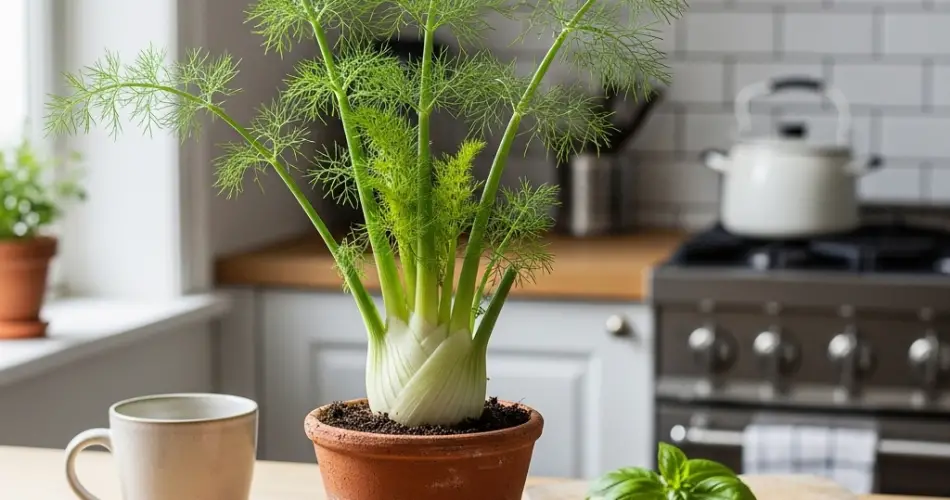
Fennel is a versatile and aromatic herb known for its delicate licorice-like flavor, crisp texture, and numerous culinary uses. From flavoring salads and soups to enhancing roasted vegetables and seafood dishes, fennel adds a fresh and distinctive taste to everyday meals. Growing fennel indoors allows you to enjoy this flavorful herb year-round, right from your kitchen or windowsill, without relying on store-bought supplies.
Indoor fennel cultivation is ideal for apartment dwellers, urban gardeners, or anyone with limited outdoor space. By cultivating fennel indoors, you not only gain access to fresh herbs but also bring greenery into your home, enhancing air quality and creating a pleasant, fragrant environment. With minimal equipment and care, growing fennel indoors is an achievable and rewarding gardening project.
Why Grow Fennel Indoors
Indoor cultivation of fennel offers several advantages:
-
Year-round availability: Fresh fennel is accessible even when outdoor gardening conditions are unfavorable.
-
Space efficiency: Fennel can be grown in pots, containers, or small indoor beds, making it suitable for kitchens, balconies, or windowsills.
-
Fresh flavor: Homegrown fennel leaves and bulbs have a more intense aroma and flavor compared to store-bought options.
-
Sustainability: Growing your own herbs reduces packaging waste and minimizes the environmental impact associated with store-purchased produce.
These benefits make indoor fennel cultivation both practical and environmentally friendly, offering fresh ingredients at your fingertips.
Materials Needed
To grow fennel indoors, gather the following:
-
Fennel seeds or small seedlings
-
Medium-sized containers or pots with drainage holes
-
Well-draining potting soil or a mix of garden soil and compost
-
Water
-
A sunny windowsill or grow light providing 6–8 hours of light daily
Using clean containers and soil promotes healthy growth and reduces the risk of disease.
Selecting and Preparing Fennel Seeds or Seedlings
The success of indoor fennel growth depends on proper selection and preparation:
-
Seeds: Choose fresh fennel seeds for higher germination rates.
-
Seedlings: Select healthy, vigorous plants with firm leaves and no signs of disease.
-
Preparation: If sowing seeds, soak them in water for a few hours to improve germination speed.
Healthy seeds and seedlings ensure robust growth and a higher yield of flavorful leaves and bulbs.
Planting Fennel Indoors
Correct planting promotes strong roots and vigorous foliage:
-
Container preparation: Fill pots with well-draining potting soil, leaving 1–2 inches of space at the top.
-
Planting seeds: Sow seeds about 1/4 inch deep and cover lightly with soil. Space multiple seeds evenly if planting more than one in a container.
-
Transplanting seedlings: For seedlings, plant them at the same depth as in their original container and space them about 6–8 inches apart.
-
Watering: Lightly water the soil immediately after planting to ensure moisture without waterlogging.
Proper planting depth and spacing encourage strong root systems and healthy foliage.
Caring for Indoor Fennel
Fennel requires consistent care to thrive indoors:
-
Light: Place containers on a sunny windowsill with at least 6–8 hours of light. If natural sunlight is insufficient, use a grow light to provide supplemental illumination.
-
Watering: Keep the soil evenly moist but not saturated. Fennel does not tolerate soggy conditions, which can lead to root rot.
-
Temperature: Maintain indoor temperatures between 60–75°F (16–24°C).
-
Fertilizing: Use a balanced, water-soluble fertilizer every 3–4 weeks to promote healthy growth.
Consistent attention to light, water, and nutrients ensures strong, flavorful fennel leaves and bulbs.
Harvesting Fennel
Indoor fennel can be harvested in stages, depending on your needs:
-
Leaves: Snip fresh leaves as needed for salads, soups, or garnishes. Regular harvesting encourages new growth.
-
Bulbs: Harvest the bulb when it reaches a suitable size (typically 3–4 inches in diameter). Gently remove the plant from its container, trim roots if necessary, and use the bulb in your favorite recipes.
Proper harvesting ensures continuous growth and a steady supply of fresh, aromatic fennel throughout the season.
Common Challenges
-
Overwatering: Excess moisture can lead to root rot; maintain consistent but moderate watering.
-
Insufficient light: Fennel needs adequate sunlight; without it, growth may be slow and foliage weak.
-
Pest issues: Indoor fennel may occasionally attract aphids or spider mites. Inspect plants regularly and use natural remedies if needed.
Monitoring and adjusting care can prevent these common challenges and ensure healthy growth.
Final Thoughts
Growing fennel indoors is a simple, sustainable way to enjoy fresh, flavorful herbs year-round. By selecting healthy seeds or seedlings, preparing well-draining containers, and maintaining consistent care, gardeners can cultivate robust fennel plants that thrive in small spaces.
Indoor fennel not only provides a constant supply of aromatic leaves and bulbs for cooking but also enhances your home environment with its greenery and fragrance. This approachable and rewarding method of herb gardening allows anyone, from beginners to experienced gardeners, to bring fresh, sustainable herbs into their kitchen.


