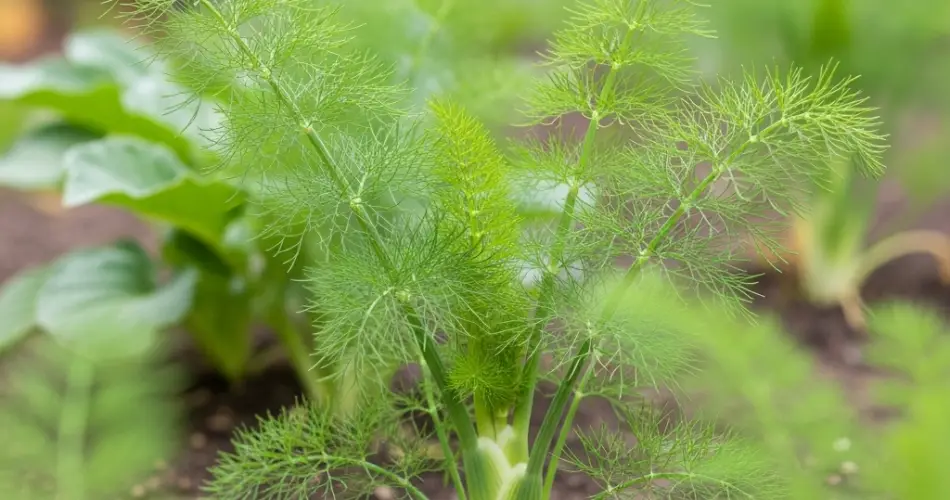
Fennel is a unique herb and vegetable that brings bold flavor, fragrant foliage, and striking beauty to the garden. While it’s loved in the kitchen, fennel can be tricky to grow near other plants. It has allelopathic properties, meaning it releases compounds that can inhibit the growth of nearby plants. That makes understanding fennel companion planting crucial if you want a productive, healthy garden.
Let’s take a closer look at what you should and shouldn’t plant near fennel to help your garden thrive.
Why Companion Planting with Fennel Is Tricky
Most plants enjoy having companions that offer shade, pest control, or nutrient support. Fennel, however, tends to be more of a loner. It secretes substances from its roots and foliage that can slow the growth of, or even harm, other plants.
In fact, many gardeners choose to grow fennel in its own dedicated bed or container to avoid unintended consequences. Still, there are a few specific plants that fennel can coexist with, and others that definitely should be kept at a distance.
Companion Planting Do’s: What Grows Well With Fennel
Although fennel doesn’t play well with most vegetables and herbs, it can still be integrated into your garden wisely. Here are some good matches:
1. Dill (with caution)
Dill and fennel are closely related, and they look quite similar. While they can be planted together for a short period, they have a tendency to cross-pollinate. If you’re growing either herb for seed collection, keep them apart to prevent hybridization. However, if you’re just growing them for leaf and flavor, a small patch together may be fine.
2. Calendula
Calendula is a beneficial flower that attracts pollinators and deters some pests. It’s one of the few flowers that doesn’t seem to be negatively affected by fennel’s chemical emissions. The combination can support a pollinator-friendly garden.
3. Lemon balm
In some gardens, lemon balm seems to tolerate fennel’s presence well. As both are aromatic herbs, they may help in confusing pests or deterring unwanted insects.
4. Most pollinator-attracting flowers
Fennel’s umbrella-like flowers are excellent for attracting beneficial insects such as ladybugs, hoverflies, and lacewings. Interplanting with other insect-friendly flowers like yarrow, zinnias, or cosmos can boost your garden’s natural defenses against pests.
Companion Planting Don’ts: What to Keep Away From Fennel
Many vegetables and herbs do poorly near fennel. If you want your garden to thrive, it’s best to keep these plants at a distance.
1. Tomatoes
Tomatoes are particularly sensitive to fennel’s allelopathic compounds. Growing them nearby can stunt tomato growth and reduce fruit yield. Always plant fennel far from your tomato patch.
2. Beans
Beans of all kinds, including bush and pole varieties, should be kept away from fennel. The chemicals released by fennel roots can interfere with nitrogen-fixing bacteria that beans depend on.
3. Peas
Like beans, peas are legumes and suffer in the presence of fennel. Poor germination and reduced pod production are common when these two grow in proximity.
4. Carrots
Although both are in the Apiaceae family, fennel and carrots should not be grown together. They can attract similar pests, and fennel may inhibit carrot root development.
5. Basil and most culinary herbs
While it might seem practical to plant fennel with other herbs, many—including basil, sage, and rosemary—struggle when grown near it. Fennel tends to overpower neighboring herbs both chemically and physically.
Best Practices for Growing Fennel in Your Garden
-
Use containers: One of the easiest ways to incorporate fennel without disrupting your other crops is by planting it in a large pot or raised bed placed away from your main vegetable garden.
-
Designate a corner: Dedicate a separate space for fennel, preferably where it gets full sun and has well-draining soil. This avoids allelopathic interactions with nearby plants.
-
Rotate wisely: Avoid planting crops sensitive to fennel in the same spot the following season. Let the soil rest or amend it thoroughly before reintroducing affected vegetables.
-
Encourage pollinators: Take advantage of fennel’s ability to attract beneficial insects. Plant it near the edges of your garden or in a wildflower patch to create a supportive ecosystem.
Final Thoughts
While fennel is a flavorful and useful plant, it requires special attention when it comes to companion planting. Understanding which plants can tolerate fennel—and which ones to avoid—will help prevent poor growth, pest problems, and nutrient competition in your garden.
If you’re looking to include fennel in your growing space, consider isolating it or pairing it with tolerant flowers that benefit from its insect-attracting blooms. With careful planning, fennel can be a valuable addition to your garden without disturbing your other plants.


