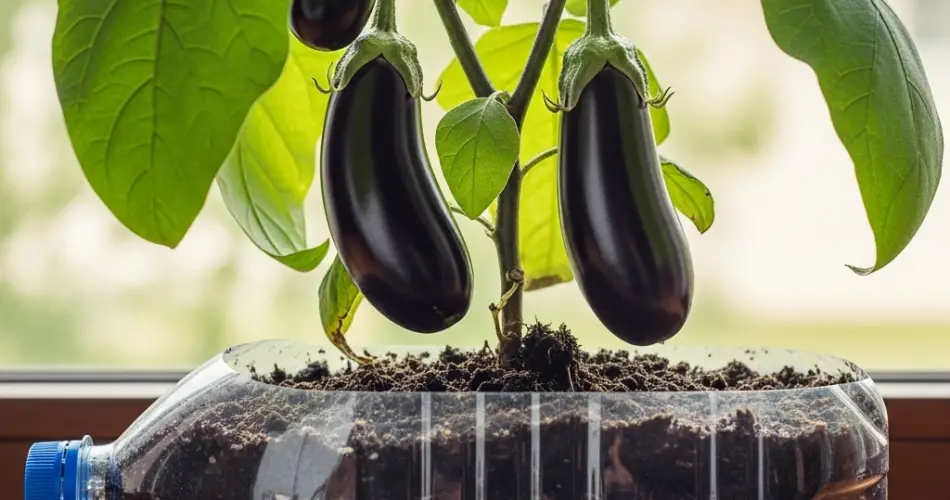
Eggplants, also known as aubergines, are a favorite among home gardeners for their versatility in the kitchen and their attractive, glossy fruits. While growing them from seeds is the most common approach, you can also propagate eggplants from cuttings. One of the simplest and most sustainable ways to do this is by using recycled bottles to create rooting stations.
This method makes use of plastic bottles you already have at home, reducing waste while providing an efficient way to grow more plants without the expense of seeds or store-bought seedlings. It’s a space-saving, eco-friendly solution that works for both indoor and outdoor setups.
Why Use Recycled Bottles for Rooting?
Recycled bottles make excellent rooting containers because:
-
They’re free and readily available – No need to buy special propagation trays or pots.
-
Clear bottles let you monitor root growth – You can see when cuttings are ready for transplanting.
-
They save space – Ideal for windowsills, shelves, and small garden corners.
-
They reduce plastic waste – Turning waste into a gardening tool supports a more sustainable lifestyle.
Rooting in bottles also allows for better control over water levels and cleanliness, helping to prevent diseases that can damage young plants.
Selecting Eggplant Cuttings
Choose a healthy, pest-free eggplant plant that is actively growing. Semi-mature stems—firm but still flexible—tend to root best.
Steps to prepare cuttings:
-
Use sterilized scissors or pruning shears to cut a 15–20 cm section from a non-flowering stem.
-
Remove the lower leaves, keeping only the top two or three to reduce water loss.
-
If available, dip the cut end in rooting hormone to encourage quicker and stronger root growth (optional but beneficial).
Preparing the Bottle Rooting Station
A 500 ml or 1-liter bottle works well for most eggplant cuttings. To prepare the bottle:
-
Wash it thoroughly with warm, soapy water and rinse well.
-
Cut off the top section to create an open container.
-
Fill it with clean water, ensuring the stem’s lower end will be submerged by about 5–7 cm.
-
To keep the cutting upright, cover the bottle opening with a piece of cardboard, plastic wrap, or mesh and make a small hole to hold the stem in place.
Rooting Process
Place your bottle station in a bright location with indirect sunlight. Avoid direct midday sun, which can heat the water too much and damage the cutting.
Care guidelines:
-
Change the water every 2–3 days to keep it fresh and oxygenated.
-
Monitor root growth – Roots should start appearing within 1–2 weeks.
-
Keep the water level consistent so the base of the cutting remains submerged without wetting the leaves.
Once roots reach 5–7 cm in length, the cutting is ready to transplant into soil.
Transplanting the Rooted Cutting
-
Prepare a pot or garden bed with nutrient-rich, well-draining soil. A mix of compost, garden loam, and coarse sand works well.
-
Dig a hole deep enough to accommodate the root system without bending or breaking it.
-
Gently place the cutting in the hole and cover with soil.
-
Water thoroughly to help the plant settle in.
During the first week, keep the plant in partial shade to reduce stress, then gradually move it to a full-sun location.
Caring for Your New Eggplant Plants
Eggplants thrive in warm conditions and need at least 6–8 hours of direct sunlight daily. Space plants 45–60 cm apart to give them enough room to grow and produce fruit.
Key care tips:
-
Water consistently – Keep the soil evenly moist but not soggy.
-
Fertilize regularly – Use a balanced fertilizer every 2–3 weeks for steady growth.
-
Prune lower leaves as the plant matures to improve airflow.
-
Stake or cage tall plants to support heavy fruits.
Harvesting
Depending on the variety, eggplants are typically ready to harvest 60–80 days after transplanting. Fruits should be glossy, firm, and of good size. Harvest regularly to encourage the plant to produce more.
Benefits of Bottle Rooting Stations
Using recycled bottles for eggplant propagation offers many advantages:
-
Cost savings – No extra containers or seed purchases needed.
-
Eco-friendly gardening – Gives new life to single-use plastics.
-
High success rate – You can clearly see root progress and avoid transplanting weak cuttings.
-
Compact design – Perfect for small spaces and indoor growing.
By turning discarded bottles into rooting stations, you can easily multiply your eggplant plants, reduce waste, and enjoy a sustainable gardening practice. This method not only helps you grow more food but also encourages resourcefulness—showing that with a little creativity, everyday items can have a second life in the garden.
With regular care, your rooted cuttings will grow into strong, productive plants, ensuring a fresh supply of eggplants for your kitchen.


