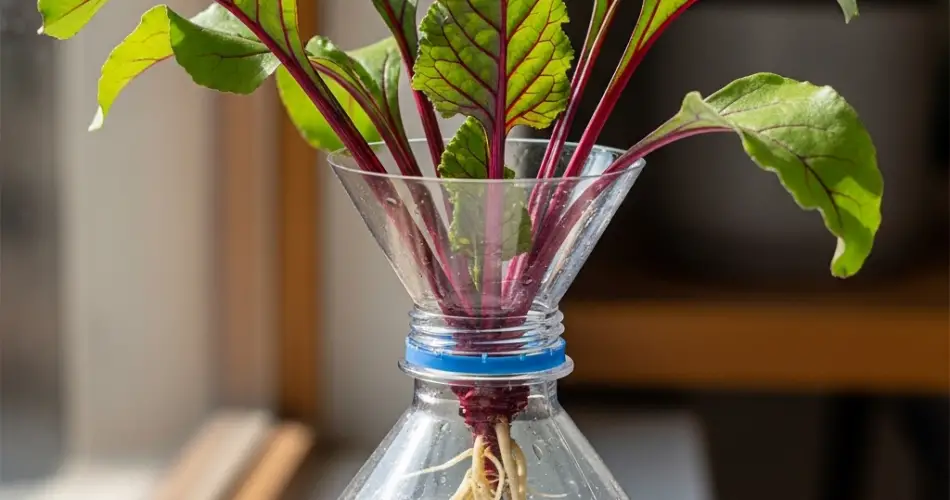
Beets are a delicious and nutrient-packed vegetable that thrive in a wide range of growing conditions. Known for their earthy roots and vibrant leafy greens, they are a valuable addition to any home garden. While beets are typically grown from seeds, innovative gardeners are discovering creative ways to regrow them using scraps and upcycled materials. One eco-friendly method is propagating beets in bottle mini planters. This approach not only helps reduce waste but also provides a sustainable way to enjoy fresh beet greens at home, even in small spaces.
Why Choose Bottle Mini Planters?
Plastic bottles are abundant in most households, and repurposing them into planters is an excellent way to reduce environmental impact. Instead of discarding bottles, you can transform them into compact growing containers that fit perfectly on windowsills, balconies, or kitchen counters. Using bottle mini planters allows you to experiment with small-scale gardening and is especially helpful if you lack access to an outdoor plot of land.
In addition, propagating beets from scraps is both practical and rewarding. While full root regrowth is less common, you can easily produce tender beet leaves packed with vitamins A, C, and K. These greens are a tasty addition to salads, smoothies, stir-fries, and soups.
Materials Needed
To get started, you will need:
-
A fresh beet with the top section intact
-
A clean plastic bottle (1–2 liters works best)
-
A sharp knife or scissors
-
Fresh water
-
Potting soil (optional, for later transplanting)
-
Organic liquid fertilizer (optional for healthier growth)
Preparing the Bottle Planter
-
Take a clean plastic bottle and cut it horizontally in half.
-
Invert the top half and place it into the bottom half, creating a funnel planter. The upper section will hold the beet cutting, while the lower portion will collect excess water.
-
If you prefer, you can poke small drainage holes in the inverted half to prevent waterlogging when using soil. For water-only propagation, simply fill the bottom half with water and place the beet cutting so the base touches it.
This design is simple, space-saving, and highly effective for growing small plants indoors.
Starting Beet Propagation
-
Cut off the top portion of a beet, leaving about 2–3 inches of root base attached.
-
Rinse the cutting thoroughly to remove soil.
-
Place the beet top into your prepared bottle planter. Make sure the base is touching water if using a water method, or lightly bury the base in soil if opting for a soil-based start.
-
Keep the leafy portion above the water or soil line to avoid rotting.
Care During Growth
Once set in the bottle mini planter, position your beet cutting in a bright location with indirect sunlight. A kitchen windowsill is ideal, as it offers natural light and easy access for watering.
-
Water Method: Change the water every 2–3 days to prevent bacterial growth. New shoots will appear in about 4–7 days, and roots may form at the submerged base. Adding a few drops of diluted organic fertilizer can speed up growth.
-
Soil Method: Keep the soil consistently moist but not waterlogged. Water lightly whenever the top layer begins to dry out.
Within a week, you should notice small green shoots emerging from the top of the beet. These leaves will continue to grow and can be harvested regularly.
Transplanting for Further Growth
While bottle propagation can sustain beet greens for weeks, you may wish to transplant them into soil for more robust development. After 2–3 weeks in water, once roots are established, move the cutting into a pot filled with loose, well-draining soil.
Steps for transplanting:
-
Prepare a pot with nutrient-rich soil.
-
Make a shallow hole and place the rooted beet cutting inside.
-
Cover the roots and lightly press the soil around the base.
-
Water thoroughly and place the pot in a sunny location.
Although beets regrown from scraps rarely form large new roots, the leafy greens will flourish and provide a steady harvest.
Harvesting Beet Greens
Beet greens are ready to harvest once they reach about 4–6 inches in length. Always snip the outer leaves first, leaving the inner ones to continue developing. Regular harvesting encourages new growth and keeps the plant healthy. With proper care, a single beet cutting can supply fresh greens for several weeks.
Benefits of Eco-Propagation
Growing beets in bottle mini planters comes with numerous advantages:
-
Sustainability: Reduces plastic waste by repurposing bottles.
-
Low-Cost Gardening: Requires minimal tools and supplies.
-
Space Efficiency: Perfect for apartments, condos, or homes with little outdoor space.
-
Fresh Food Supply: Provides a continuous harvest of nutrient-rich beet greens.
-
Educational Value: A fun, hands-on way to teach children about plant growth and sustainability.
Conclusion
Eco-propagation using bottle mini planters is a simple, affordable, and environmentally friendly way to grow beets at home. While you may not always achieve large beet roots from cuttings, the fresh and nutritious greens are well worth the effort. This method also encourages creative reuse of household waste, turning discarded bottles into productive mini gardens. Whether you are an experienced gardener or just starting, growing beets in bottle planters is a rewarding way to enjoy fresh produce and contribute to sustainable living.


