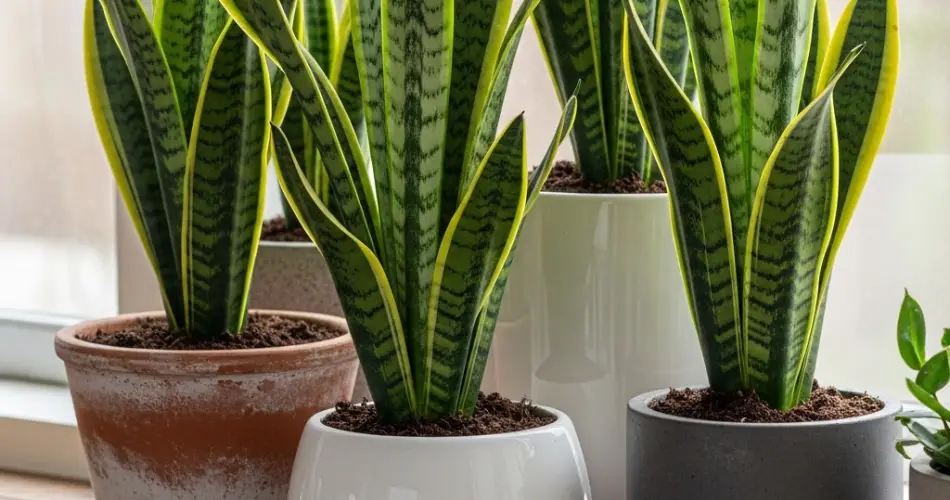
Snake plants (Sansevieria), also known as mother-in-law’s tongue, are well-loved for their striking upright leaves, resilience, and low-maintenance nature. They can thrive in a wide range of conditions, making them ideal for both new and experienced plant owners. However, like all potted plants, snake plants eventually outgrow their containers and require repotting. Learning how to repot them properly ensures continued growth, health, and beauty.
This guide will walk you through when and how to repot an overgrown snake plant, the best soil and pot choices, and tips to make the process stress-free for both you and your plant.
When to Repot a Snake Plant
Snake plants don’t need frequent repotting. In fact, they prefer being slightly root-bound and can stay in the same pot for 2–3 years without issue. However, you’ll know it’s time to repot when:
-
Roots are circling tightly around the pot’s interior.
-
Roots are pushing the plant upward or breaking through the drainage holes.
-
The plant is top-heavy and tips over easily.
-
Growth has slowed significantly despite proper care.
-
Water runs straight through the pot because roots have taken up most of the space.
The best time to repot is during spring or early summer when the plant is actively growing, allowing it to recover more quickly.
Choosing the Right Pot
When selecting a new pot, choose one that is 1–2 inches wider in diameter than the current one. Avoid jumping to an oversized pot, as too much soil around the roots can lead to waterlogging and root rot.
Material also matters:
-
Terracotta pots: Porous and help soil dry faster—ideal for snake plants that dislike soggy conditions.
-
Ceramic or plastic pots: Retain moisture longer, which can be useful in very dry climates, but be mindful of watering frequency.
Most importantly, make sure the pot has drainage holes to prevent standing water.
Best Soil for Snake Plants
Snake plants require well-draining soil to prevent root rot. A cactus or succulent potting mix is ideal. You can also make your own blend:
-
2 parts potting soil – for nutrients and structure.
-
1 part perlite or coarse sand – for improved drainage.
-
1 part compost – for organic nutrients.
This combination keeps roots aerated while holding just enough moisture for healthy growth.
How to Repot an Overgrown Snake Plant
-
Prepare the New Pot and Soil
Fill the bottom of the new pot with a layer of fresh potting mix, enough so that when the plant is placed inside, the base of the leaves sits about an inch below the rim. -
Remove the Plant from the Old Pot
Gently tip the pot on its side and ease the plant out. For stubborn plants, run a knife around the inside edge or tap the sides to loosen it. -
Loosen the Root Ball
Carefully untangle any tightly wound roots. If you see dead, mushy, or rotten roots, trim them off with clean scissors or pruning shears. -
Divide If Necessary
If your plant has multiple rosettes and is too large, you can divide it. Use a clean knife to separate sections, ensuring each has a healthy root system and several leaves. -
Place in the New Pot
Position the plant in the center, then fill in around it with fresh soil. Firm the soil gently to remove air pockets, but don’t compact it too much. -
Water Lightly
Give the plant a light watering to help settle the soil. Avoid overwatering right after repotting—let the soil dry slightly before watering again.
Aftercare Tips
-
Light: Keep the plant in bright, indirect light for a few weeks to help it adjust. Snake plants can handle low light, but growth is faster in brighter spots.
-
Watering: Water sparingly. After repotting, the plant’s roots need time to heal, so avoid frequent watering. Let the soil dry out between waterings.
-
Fertilizer: Wait 4–6 weeks before fertilizing. When ready, feed with a balanced, diluted houseplant fertilizer during the growing season.
Common Mistakes to Avoid
-
Using the wrong soil: Regular potting soil that retains too much water can lead to root rot.
-
Overpotting: Choosing a pot that’s too large can cause slow growth and water issues.
-
Overwatering after repotting: Snake plants prefer slightly dry conditions, especially while recovering from root disturbance.
Benefits of Repotting
Repotting not only gives your snake plant more room to grow but also refreshes the soil, providing fresh nutrients and better drainage. It’s also an opportunity to inspect and prune roots, remove any signs of disease, and propagate new plants from divisions.
Final Thoughts
Repotting an overgrown snake plant is a simple process that greatly benefits the plant’s health and appearance. By choosing the right pot size, using a fast-draining soil mix, and handling the plant gently, you can ensure a smooth transition. With minimal care afterward, your snake plant will continue to be a striking, low-maintenance addition to your home for years to come.


