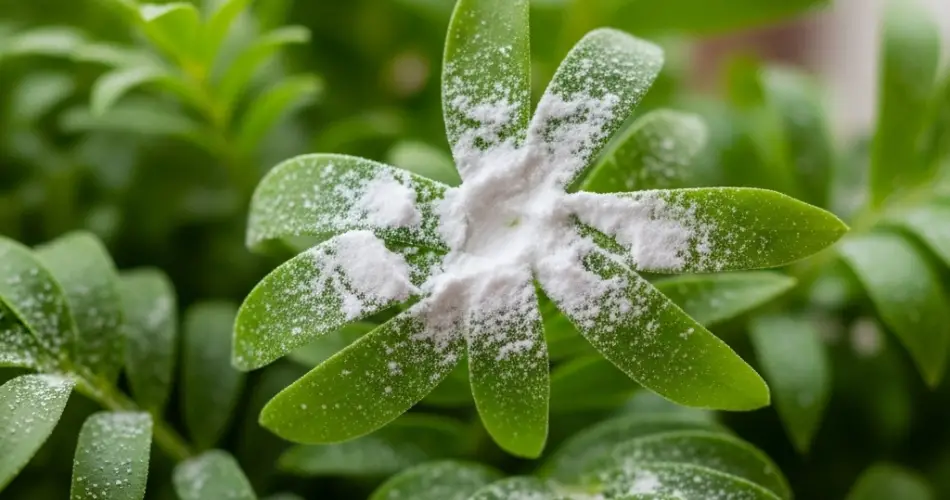
Baking soda is one of the most underrated gardening tools available to home growers. Found in nearly every kitchen, this inexpensive powder can do wonders in the garden when used correctly. From deterring pests to preventing plant diseases, baking soda offers an easy, natural solution to a variety of common plant problems—without resorting to synthetic chemicals.
In this article, we’ll explore how you can use baking soda to treat specific gardening issues and keep your plants thriving. Each remedy is simple, budget-friendly, and safe for both edible and ornamental plants when applied properly.
1. Fighting Fungal Diseases
One of the most popular uses for baking soda in gardening is as a natural fungicide. Powdery mildew, black spot, and leaf spot are among the most common plant diseases caused by fungi. Baking soda alters the surface pH of the leaves, making it harder for fungal spores to survive.
DIY Fungal Spray Recipe:
-
1 tablespoon of baking soda
-
1 liter (about 4 cups) of water
-
1 tablespoon of vegetable oil (optional)
-
1 teaspoon of mild liquid soap (optional)
Instructions:
-
Mix all ingredients thoroughly in a spray bottle.
-
Spray affected plants in the early morning or late afternoon, covering both upper and lower leaf surfaces.
-
Reapply every 7–10 days or after rain.
Best for: Roses, tomatoes, squash, cucumbers, and grapevines.
2. Natural Pest Deterrent
While baking soda won’t kill pests directly, it can help deter some soft-bodied insects like aphids and spider mites when combined with soap and oil. The mixture can make plant surfaces less appealing to these pests and reduce their numbers over time.
DIY Pest Spray Recipe:
-
1 tablespoon of baking soda
-
1 liter of water
-
1 tablespoon of vegetable oil
-
1 teaspoon of mild liquid soap
Instructions:
-
Shake well and spray affected plants every 7 days.
-
Avoid using during the hottest part of the day to prevent leaf burn.
Note: Always test a small portion of the plant first to ensure it doesn’t react negatively.
3. Cleaning Plant Leaves
Dusty leaves can reduce photosynthesis and attract pests. Baking soda can help clean the leaves of indoor plants and improve their ability to absorb sunlight.
Leaf-Cleaning Solution:
-
1/4 teaspoon of baking soda
-
1 liter of warm water
Instructions:
-
Dip a soft cloth in the solution and gently wipe leaves clean.
-
Rinse with clean water afterward to remove any residue.
Best for: Indoor foliage plants like rubber plants, pothos, and fiddle leaf figs.
4. Soil Odor Neutralizer
Overwatered pots and compost bins can develop a foul smell due to bacterial buildup. A small sprinkle of baking soda can help neutralize these odors without harming the soil or plants.
How to Use:
-
Sprinkle a light amount of baking soda onto the soil surface.
-
Water lightly and monitor plant response.
Caution: Avoid repeated applications to prevent soil pH imbalance.
5. Boosting Tomato Sweetness (Folklore Method)
Some gardeners claim that baking soda sprinkled around the base of tomato plants can reduce soil acidity and improve fruit flavor by making the tomatoes sweeter. While scientific evidence is limited, anecdotal results show promise.
How to Try It:
-
Lightly dust the soil around tomato plants with baking soda—avoid contact with stems or leaves.
-
Apply once every 2–3 weeks.
Important: Always test your soil pH before altering it regularly, as tomatoes prefer slightly acidic conditions.
6. Weed Control Between Cracks
Although not recommended for garden beds, baking soda can help manage weeds in paved areas like sidewalks and driveways.
How to Use:
-
Sprinkle baking soda directly into the cracks where weeds grow.
-
Repeat monthly or after rain.
Note: Baking soda is non-selective and may harm nearby plants if used carelessly.
7. Seedling Protection from Fungal Damping-Off
Damping-off is a fungal condition that affects seedlings, causing them to wilt and die shortly after germination. A weak baking soda solution can help prevent fungal growth in seed trays.
DIY Seedling Spray:
-
1/2 teaspoon of baking soda
-
1 liter of water
Instructions:
-
Lightly mist the soil surface once seedlings emerge.
-
Repeat once a week until the seedlings are strong.
Safety Tips and Best Practices
-
Always test new sprays on a small part of the plant before full application.
-
Never apply baking soda sprays under direct sunlight or during high heat.
-
Store unused spray in a cool place and use within 24 hours for best results.
-
Don’t overuse baking soda—it can build up in soil and affect plant health.
Final Thoughts
Baking soda is a simple, inexpensive tool that can make a big difference in plant care when used correctly. From fungal prevention to leaf cleaning and pest deterrence, these DIY solutions offer a natural alternative to store-bought treatments. By incorporating baking soda into your gardening routine, you can solve many common plant problems without harming the environment—or your budget.
Give these homemade remedies a try, and enjoy a healthier, more resilient garden the natural way.


