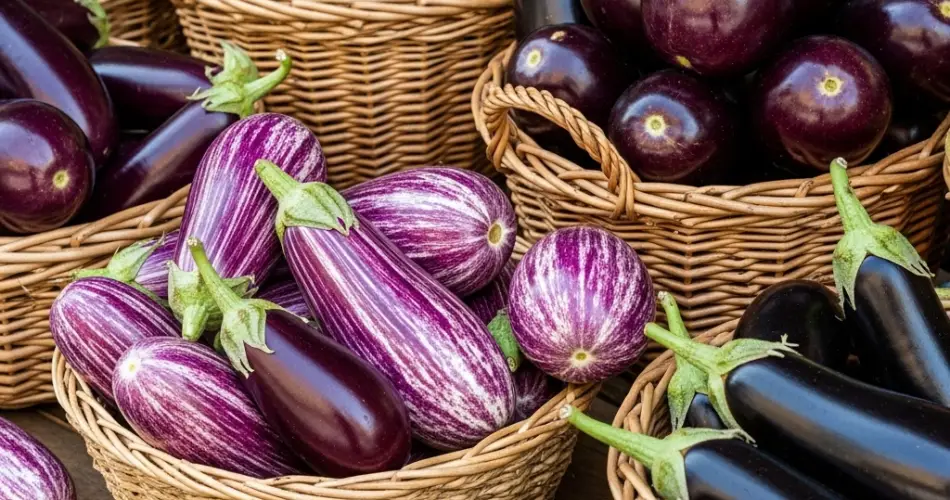
Eggplants are a versatile vegetable, prized for their rich flavor, meaty texture, and culinary adaptability. Traditionally grown in garden beds, they can also thrive in container gardening setups. Baskets, in particular, offer an excellent solution for small-space gardening, making it possible to cultivate healthy, productive eggplants even on balconies, patios, or terraces.
Using baskets for eggplants is not only practical but also visually appealing. With proper care, these containers can support strong plants that produce tender, flavorful fruits throughout the growing season.
Why Grow Eggplants in Baskets
Eggplants are well-suited for basket gardening due to their moderate root depth and bushy growth. Key advantages include:
-
Space efficiency: Perfect for urban gardeners or small outdoor areas.
-
Improved airflow: Elevating plants enhances circulation, reducing humidity-related issues.
-
Pest reduction: Baskets keep plants away from many ground-dwelling pests such as slugs and snails.
-
Visual appeal: Cascading foliage and developing fruits add charm to your garden or balcony.
These benefits make baskets an excellent choice for compact, productive, and attractive vegetable gardening.
Choosing the Right Basket
Selecting the proper basket is critical for successful eggplant growth.
-
Size: Baskets should be at least 12–14 inches deep and 14–16 inches wide to accommodate roots and soil.
-
Material: Wire baskets lined with coconut coir, burlap, or moss are ideal. Plastic baskets can also be used if they provide sufficient drainage.
-
Support: Ensure hooks, chains, or stands are strong enough to hold the weight of soil and growing plants.
-
Drainage: Adequate drainage prevents waterlogging and promotes healthy root development.
A sturdy, well-drained basket provides a stable environment for eggplants to flourish.
Preparing Soil and Basket
Proper soil preparation is essential for productive plants.
-
Lining: Use a liner such as coconut coir or burlap to keep soil contained while allowing water to drain.
-
Drainage layer: Add a thin layer of gravel or small stones at the bottom to enhance drainage.
-
Soil mix: Use a lightweight, fertile potting mix enriched with compost. Perlite or vermiculite can be added for aeration and to prevent compaction.
Well-prepared soil supports strong root systems, vigorous growth, and higher fruit yields.
Planting Eggplants
Eggplants grow best from seedlings.
-
Transplanting seedlings: Carefully place seedlings into the basket, maintaining the root ball at soil level.
-
Spacing: Plant one or two seedlings per basket, leaving sufficient room for leaves to spread and air to circulate.
-
Watering: Keep soil evenly moist during the early stages to encourage root establishment.
For continuous harvests, consider planting in multiple baskets or staggering seedling timings.
Sunlight and Temperature
Eggplants thrive in warm conditions with ample sunlight.
-
Sunlight: Provide 6–8 hours of direct sunlight daily.
-
Temperature: Ideal temperatures range from 70–85°F (21–29°C).
-
Placement: In hotter climates, provide partial shade during the afternoon to prevent leaf scorching.
Adequate light and temperature ensure strong stems, healthy foliage, and large, flavorful fruits.
Watering and Maintenance
Eggplants in baskets require consistent moisture due to faster soil drying.
-
Frequency: Check soil daily and water when the top inch is dry.
-
Depth: Water deeply to reach all roots and encourage healthy growth.
-
Mulching: Apply a thin layer of straw or shredded leaves to retain moisture and regulate soil temperature.
Consistent watering prevents stress, flower drop, and bitter fruits.
Fertilizing Eggplants
Nutrient-rich soil is essential for flowering and fruit development.
-
Liquid fertilizer: Apply a balanced fertilizer every 2–3 weeks during the growing season.
-
Organic options: Compost tea or diluted fish emulsion provides steady nutrition.
Regular feeding supports larger fruits, continuous production, and overall plant vigor.
Harvesting Eggplants
Eggplants are ready to harvest when the fruits are fully colored, firm, and glossy, usually 70–90 days after transplanting.
-
Pick regularly: Frequent harvesting encourages new fruit production.
-
Method: Use scissors or pruners to cut fruits from the plant, leaving a short stem attached.
-
Avoid overripe fruits: Overripe eggplants may be bitter and less tender.
Proper harvesting ensures maximum yield and maintains plant health.
Common Challenges
-
Flower drop: Can result from temperature fluctuations or inconsistent watering.
-
Pests: Aphids, spider mites, and other insects may appear; natural sprays like neem oil or soapy water can manage infestations.
-
Diseases: Proper drainage and good airflow help prevent fungal issues such as powdery mildew.
Monitoring plants and adjusting care as needed keeps eggplants healthy and productive.
Final Thoughts
Basket gardening makes it easy to grow delicious eggplants in small spaces, combining practicality, beauty, and efficiency. By choosing the right basket, preparing nutrient-rich soil, maintaining consistent care, and harvesting properly, you can enjoy fresh, homegrown eggplants right from your balcony or patio.
This method maximizes vertical space while providing a visually appealing and productive garden feature. With attention to sunlight, watering, and feeding, basket-grown eggplants can yield tender, flavorful fruits all season long.


