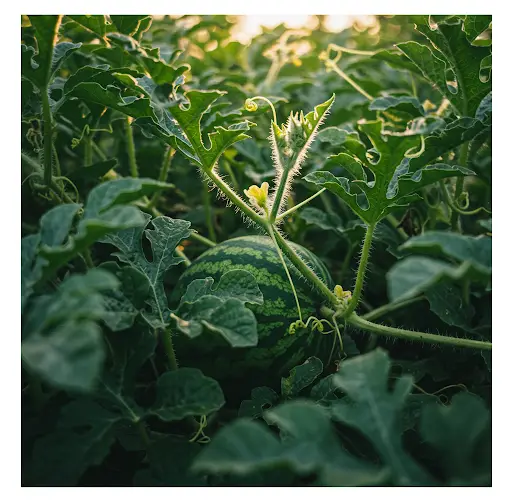
Easy and High Yielding Way: Grow Watermelon at Home with Lots of Fruit and No Garden Needed
Watermelon is one of the most refreshing fruits, perfect for summer snacks, smoothies, and even salads. While growing watermelon traditionally requires a large garden space, it’s possible to grow this delicious fruit right at home—no garden needed! With a few creative techniques and some simple steps, you can enjoy an abundant watermelon harvest from the comfort of your balcony, patio, or even inside your home.
If you’re wondering how to grow watermelons without a garden, this guide will walk you through the process. You’ll learn the best practices to yield a high amount of fruit, all while saving space and avoiding the need for a sprawling garden. Let’s dive in!
Why Grow Watermelon at Home?
Watermelon is a relatively easy fruit to grow, provided it receives enough warmth and sunlight. Growing it at home offers several benefits:
-
Freshness: Growing your own watermelons ensures that you have fresh, chemical-free fruit right at your fingertips.
-
Space-saving: With container gardening or innovative methods like vertical gardening, you don’t need a large garden plot to grow watermelons.
-
Cost-effective: Growing your own produce can save you money in the long run, especially if you’re buying watermelons frequently.
-
Satisfaction: There’s a certain joy and satisfaction that comes from harvesting a fruit you’ve grown yourself.
Materials You Will Need
To grow watermelons at home without a garden, you’ll need a few basic materials:
-
Watermelon seeds or seedlings (varieties like “Sugar Baby” or “Miniature Watermelon” are ideal for small spaces)
-
Large containers or pots (at least 18-24 inches deep)
-
Well-draining, nutrient-rich soil (preferably a good-quality potting mix)
-
Compost or organic fertilizer (to enrich the soil)
-
A sunny spot (Watermelons need plenty of sunlight to thrive, so choose a location with at least 6-8 hours of direct sunlight)
-
Support structure (optional) like a trellis or vertical garden system for climbing varieties
Step-by-Step Guide to Growing Watermelon at Home
1. Choose the Right Variety
Not all watermelon varieties are suited for small spaces, so selecting the right one is crucial for success. Dwarf and miniature varieties such as “Sugar Baby” or “Yellow Baby” are perfect for container gardening, as they produce smaller fruits that don’t require extensive vine space.
These varieties still offer the signature sweet, juicy taste of watermelon, but without taking over your space.
2. Prepare the Containers
Watermelons require deep containers to grow effectively. Look for large pots, buckets, or containers with a depth of at least 18-24 inches to allow the roots to spread and access enough nutrients. You can also use large grow bags or fabric pots for more flexibility in moving your plants around.
Make sure the containers have drainage holes to prevent waterlogging, which could lead to root rot.
Fill the containers with a well-draining, nutrient-rich potting mix. Watermelons prefer soil that is slightly acidic, so a pH of 6.0-6.8 is ideal. If necessary, amend your potting soil with compost or organic fertilizer to improve soil fertility and ensure the plants get the nutrients they need.
3. Planting the Seeds
Once your containers are prepared, it’s time to plant the seeds. Start by sowing the watermelon seeds indoors about 4-6 weeks before the last expected frost date in your region. Plant the seeds about 1 inch deep in small pots or seed trays, and keep them in a warm, sunny location.
Alternatively, if the weather is warm enough, you can plant the seeds directly into the container. Watermelon seeds need a lot of warmth to germinate, so make sure the soil temperature is around 70-90°F (21-32°C).
4. Transplant the Seedlings
Once your seedlings are large enough to handle and have developed several leaves, you can transplant them into the larger containers. Be sure to space the seedlings about 12-18 inches apart to allow the vines to grow without overcrowding.
Watermelons need room to spread out, so choose a spot where they won’t be blocked by other plants. If you’re using a vertical garden or trellis, be sure the structure is sturdy enough to support the vines and fruits.
5. Care and Maintenance
Watermelons are relatively low-maintenance, but they do require some attention to thrive:
-
Watering: Water the plants regularly, but avoid soaking the soil. Watermelons need consistent moisture, especially during the fruiting stage. Ensure that the soil is moist but not waterlogged.
-
Fertilizing: Watermelons are heavy feeders, so it’s important to fertilize them throughout the growing season. Use a balanced, slow-release fertilizer or organic compost to provide the necessary nutrients.
-
Pruning: To encourage more fruit production, pinch back the growing tips of the vines once they have reached a few feet in length. This will redirect the plant’s energy into producing fruit rather than excessive vine growth.
-
Pollination: If you’re growing your watermelons indoors, you may need to hand-pollinate the flowers using a small brush to transfer pollen from male to female flowers.
6. Harvesting the Watermelon
Watermelons typically take 80-90 days to mature from seed to harvest. To check if your watermelon is ripe, look for the following signs:
-
The skin should be deep in color, depending on the variety.
-
The underside of the melon should have a yellow spot (a sign of ripeness).
-
The fruit should sound hollow when tapped.
When harvesting, use a sharp knife to cut the watermelon from the vine, leaving a small portion of the stem attached.
Tips for High Yield
-
Give them plenty of sun: Watermelons need full sunlight to thrive, so choose a location that gets at least 6-8 hours of direct sunlight per day.
-
Space the vines properly: Whether you’re growing your watermelons horizontally or vertically, make sure the vines have enough room to spread out and grow.
-
Choose compact varieties: Smaller, bush-type watermelon varieties are ideal for container gardening and require less space, making them perfect for home growers with limited room.
Conclusion
Growing watermelons at home without a garden is not only possible but also highly rewarding. With a bit of effort and creativity, you can enjoy a high yield of juicy, homegrown watermelon right at your doorstep. Whether you’re using containers, vertical gardening, or other space-saving techniques, watermelons can thrive in small spaces as long as they receive plenty of sunlight, regular care, and the right conditions. Follow these tips, and you’ll be enjoying sweet, refreshing watermelons in no time!


