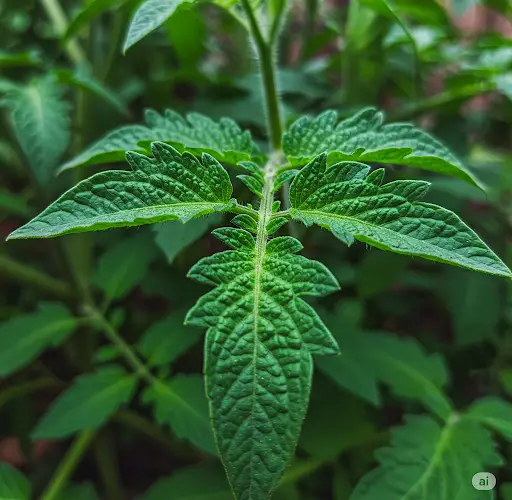
If you’re growing tomatoes in your garden, you may have noticed that, occasionally, the leaves begin to twist or curl. This can be a concerning sight for many gardeners, as curled or twisted leaves often signal a problem. However, the good news is that, in most cases, this issue is easy to fix. Understanding the potential causes and solutions for twisted tomato leaves can help you keep your plants healthy and ensure a bountiful harvest.
In this article, we’ll explore the common reasons why tomato leaves twist and offer practical solutions to help you address the problem.
Common Causes of Twisted Tomato Leaves
Tomato plants are relatively hardy, but they are sensitive to various environmental factors. Twisting or curling leaves can result from a few different causes, and diagnosing the issue early on is key to solving it.
1. Environmental Stress
One of the most common reasons for twisted tomato leaves is environmental stress. Tomatoes are sensitive to changes in temperature, humidity, and watering patterns. For example, excessive heat or sudden temperature fluctuations can cause the leaves to twist as the plant struggles to adapt.
-
Solution: To prevent environmental stress, try to maintain a consistent watering schedule, keep the plants shaded during the hottest part of the day, and avoid planting them in areas that are prone to extreme temperature changes. Mulching around the base of the plants can help retain moisture and regulate soil temperature.
2. Nutrient Deficiency
A lack of essential nutrients can lead to distorted growth, including twisted or curled tomato leaves. One of the most common nutrient deficiencies in tomatoes is a lack of calcium, which can result in a condition called blossom end rot. Other deficiencies, such as a lack of potassium or magnesium, can also cause abnormal leaf growth.
-
Solution: Regularly fertilize your tomato plants with a well-balanced fertilizer that contains essential nutrients. If you suspect a calcium deficiency, add lime or calcium nitrate to the soil. For other deficiencies, consider using a slow-release fertilizer that provides all the necessary nutrients for healthy tomato growth.
3. Pests and Insects
Certain pests and insects can cause tomato leaves to twist or curl. One of the most common culprits is aphids, which are tiny insects that suck the sap from tomato plants. Aphids can damage the plant and cause the leaves to curl, turn yellow, and eventually drop off. Whiteflies and spider mites can also cause similar symptoms.
-
Solution: Inspect your tomato plants regularly for signs of pests. If you spot aphids or other insects, use organic pest control methods, such as neem oil or insecticidal soap, to treat the plants. You can also introduce beneficial insects, like ladybugs, to your garden, as they naturally feed on aphids.
4. Herbicide Damage
If you’ve recently used herbicides in your garden, it’s possible that some of the chemicals have affected your tomato plants. Herbicide drift can cause the leaves to twist or curl, as well as other symptoms such as yellowing or stunted growth. This is especially common if herbicides are applied to nearby areas and the wind carries the chemicals onto your tomato plants.
-
Solution: To avoid herbicide damage, make sure to follow the instructions on any herbicide labels carefully. Avoid spraying herbicides on windy days, and never apply them near your tomato plants. If you suspect herbicide damage, give your tomato plants time to recover, and remove any affected leaves to encourage healthy new growth.
5. Watering Issues
Both overwatering and underwatering can cause tomato leaves to twist. When tomato plants don’t receive the right amount of water, their roots can’t properly absorb nutrients, which leads to stress and distorted growth. Overwatering, in particular, can lead to root rot and other fungal diseases that affect the plant’s overall health.
-
Solution: Tomato plants prefer well-drained soil, so ensure that the soil is not constantly soggy. Water your plants deeply but infrequently, allowing the soil to dry out between waterings. Make sure the plants are not sitting in standing water, and improve drainage if necessary by amending the soil with organic matter.
6. Viral Infections
Viral infections, such as Tomato Yellow Leaf Curl Virus (TYLCV), can cause the leaves of tomato plants to curl and twist. This virus is spread by whiteflies and can cause significant damage to your crop if not managed properly.
-
Solution: If you suspect a viral infection, it’s best to remove and destroy any affected plants to prevent the virus from spreading to healthy ones. Use pest control methods to manage whiteflies and prevent further infection. Planting resistant tomato varieties is another effective way to avoid viral issues.
How to Fix Twisted Tomato Leaves
Now that we’ve identified some common causes of twisted tomato leaves, here are a few general steps you can take to fix the problem:
-
Address Environmental Stress: Ensure your plants are in an optimal location with consistent temperatures and adequate sunlight. Provide shade during extreme heat, and water regularly to maintain consistent moisture levels.
-
Feed Your Plants: Use a balanced fertilizer that provides all the essential nutrients for healthy tomato growth. If you suspect a specific deficiency, add the corresponding nutrients to your soil.
-
Control Pests: Regularly check for pests and treat any infestations promptly. Organic pesticides, such as neem oil, can be effective in controlling aphids and other harmful insects.
-
Avoid Herbicide Drift: If you’ve used herbicides near your tomato plants, make sure they are properly shielded from the chemicals. Avoid using herbicides on windy days and follow the manufacturer’s instructions carefully.
-
Water Properly: Ensure your tomatoes are getting the right amount of water. Water deeply, but allow the soil to dry out slightly between waterings. Good drainage is key to preventing root rot and other water-related issues.
-
Remove Affected Leaves: If the problem persists, remove any twisted or damaged leaves to allow the plant to focus its energy on new, healthy growth.
Conclusion
Twisted or curled tomato leaves are often a sign that something is off with your plants. Whether it’s due to environmental stress, nutrient deficiencies, pests, or watering issues, diagnosing the problem early is crucial for getting your tomato plants back on track. By making a few simple adjustments and taking proactive steps, you can fix the issue and enjoy a healthy, productive tomato harvest.
With the right care and attention, your tomatoes will continue to thrive, producing delicious fruits throughout the growing season. Keep an eye on your plants, and don’t be afraid to take action as soon as you notice any signs of stress. A little effort now will go a long way in ensuring a successful tomato harvest.


