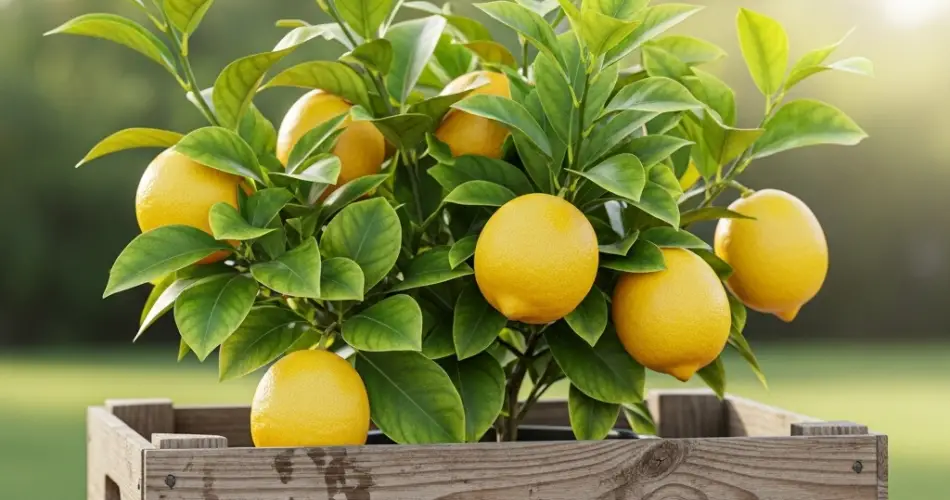
Lemons are among the most versatile fruits you can grow at home. From their refreshing juice to their fragrant zest, lemons bring brightness and flavor to countless dishes and drinks. While many people associate lemon trees with expansive orchards or large backyards, they can also thrive in compact spaces when planted in containers. One of the most creative and practical options for container planting is the use of DIY wooden crates.
Wooden crates not only serve as functional planters but also bring rustic charm to patios, balconies, and small gardens. With a little planning and the right setup, you can create a thriving lemon plant in a handmade crate and enjoy the rewards of fresh citrus right at your fingertips.
Why Use Wooden Crates for Lemon Planting?
Wooden crates offer several advantages compared to traditional pots or plastic containers:
-
Customizable Size: You can build crates to fit the space you have, whether it’s a small balcony or a large terrace.
-
Good Drainage: When designed properly, crates allow excess water to flow out easily, preventing root rot.
-
Rustic Aesthetic: Wooden planters add warmth and natural beauty to any garden setup.
-
Sustainability: Reusing old wood or upcycling shipping crates is eco-friendly and cost-effective.
-
Mobility: Although larger crates can be heavy, adding wheels at the base makes it easy to move your lemon plant to catch the sun or shelter it from harsh weather.
Building the Perfect Crate
You don’t need advanced carpentry skills to create a suitable crate for lemon planting. Here are the basics:
-
Choose the right wood: Cedar, redwood, or other rot-resistant woods work best. Avoid chemically treated wood since it can leach harmful substances into the soil.
-
Size matters: Lemon trees need room for their roots. A crate measuring at least 20 inches deep and 20–24 inches wide will give young trees the space they need to establish. For larger varieties, build a crate closer to 24–30 inches.
-
Assemble with strength: Use sturdy nails or screws to secure the crate. Reinforce the corners with brackets if necessary to handle the weight of soil and water.
-
Add drainage: Drill multiple holes at the bottom of the crate and line it with landscape fabric or burlap to prevent soil from washing out while still allowing water to drain freely.
-
Optional wheels: Attach caster wheels for easier mobility, especially if you need to shift the crate between sunny and shaded spots.
Preparing the Soil Mix
Lemon trees thrive in loose, well-draining soil that retains enough moisture without becoming waterlogged. A good soil mix for crate planting includes:
-
40% high-quality potting mix as the base.
-
30% organic compost for nutrients.
-
20% coarse sand or perlite to improve drainage.
-
10% aged manure or worm castings to enrich the mix.
This combination provides the right balance of nutrients, aeration, and water retention. Maintaining a slightly acidic pH (around 5.5 to 6.5) is ideal for lemon trees.
Planting Lemons in Crates
Lemon trees can be started from nursery saplings, grafted plants, or even seeds. For quicker fruiting, grafted dwarf or semi-dwarf varieties are best suited for crate planting.
-
Placement: Position the sapling in the center of the crate, ensuring the root ball sits slightly above the soil line to prevent rot.
-
Filling: Add soil mix around the root ball, firming it gently without compacting too tightly.
-
Watering: Give the plant a thorough watering immediately after planting to settle the soil.
Caring for Your Lemon Plant in Crates
Sunlight
Lemon trees love sunlight. Aim for at least 6–8 hours of direct sun daily. If growing on a balcony, place the crate in the brightest spot available.
Watering
Water deeply but allow the top inch of soil to dry before watering again. Crates dry faster than ground soil, so check moisture regularly.
Feeding
Apply a citrus-specific fertilizer or a balanced organic blend every 4–6 weeks during the growing season. Supplements rich in nitrogen, magnesium, and iron help promote healthy leaves and abundant fruiting.
Pruning
Prune lightly to maintain shape and remove weak or crossing branches. Regular pruning also improves airflow and reduces pest problems.
Winter Care
If you live in a colder climate, crates make it easier to move lemon trees indoors during winter. Place them in a bright, sunny room or near a south-facing window until the weather warms.
Harvesting Lemons
Lemon trees may take 1–2 years before producing fruit, depending on the variety and growing conditions. Harvest when the fruits are fully yellow and slightly soft to the touch. A crate-grown lemon tree can yield several pounds of fruit annually once mature.
Benefits Beyond Fruit
Aside from their delicious harvest, crate-grown lemon trees bring extra perks:
-
Their glossy green leaves and fragrant blossoms enhance your outdoor living space.
-
Bees and pollinators are attracted to their flowers, enriching your garden’s biodiversity.
-
The mobility of crates gives you flexibility in arranging your garden layout.
Conclusion
DIY wooden crates provide a practical and attractive way to grow lemon trees in compact spaces. By combining the right materials, soil mix, and care routine, you can enjoy homegrown lemons even without a traditional garden. Whether placed on a balcony, patio, or small courtyard, crate-grown lemons deliver beauty, fragrance, and a steady supply of fresh citrus for your kitchen.


