How to Make a Compost Bin for Any Plant in Just 10 Minutes
Creating an efficient composting system at home doesn’t have to be complicated or time-consuming. With a simple DIY compost bin, you can recycle organic waste and provide essential nutrients to your plants. This method is quick, easy, and requires only a few materials that you likely already have at home.
Why Use a Compost Bin?
Composting is an excellent way to enrich the soil and encourage plant growth naturally. The organic matter decomposes and transforms into nutrient-rich compost that improves soil structure, retains moisture, and boosts plant health. This method is particularly beneficial for fruit trees and vegetable gardens.
Materials Needed:
- A plastic water bottle (or any similar plastic container)
- Scissors or a knife
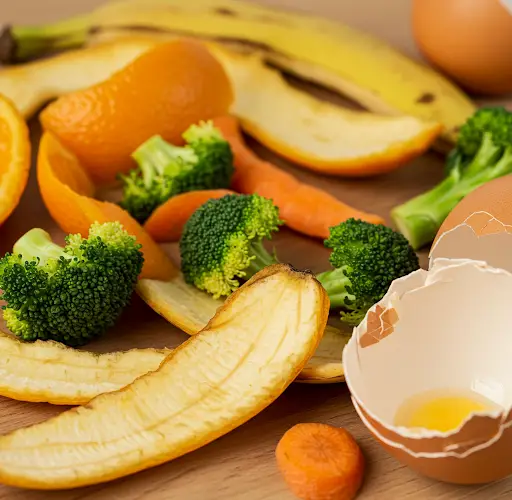
- Kitchen scraps (fruit peels, vegetable scraps, eggshells, etc.)
- Soil
- Worms (optional, but beneficial)
- A small piece of fabric or lid (optional, for covering)
Step-by-Step Guide to Making a Compost Bin
- Prepare the Bottle
Take a plastic water bottle and cut a small opening at the bottom. Additionally, make a few small holes around the sides to allow air circulation. These holes help speed up the decomposition process and prevent unpleasant odors. - Dig a Hole in the Soil
Choose a spot near the plant you want to fertilize. Dig a small hole in the soil that is deep enough to fit the bottle. The compost bin should be partially buried to allow direct nutrient absorption into the surrounding soil. - Layer the Organic Waste and Soil
Start by adding a thin layer of soil to the bottom of the bottle. Then, alternate between layers of organic waste and soil. The layering method helps break down the organic material efficiently and prevents foul smells. - Add Worms (Optional)
If available, add a few earthworms to the compost bin. Earthworms accelerate the decomposition process and enrich the compost by producing worm castings, one of the most effective natural fertilizers. - Cover and Maintain
Cover the top of the compost bin with a small piece of fabric or a loose lid to keep insects out. Water the compost lightly every three days to maintain moisture, which is essential for decomposition.
How the Compost Bin Works
Over time, the organic waste inside the bottle will break down into nutrient-rich compost. The surrounding soil will absorb these nutrients, providing a steady supply of essential minerals to the plant. This method ensures that your plants receive a natural and continuous source of fertilizer without the need for synthetic chemicals.
Benefits of This Composting Method
- Cost-Effective: Uses kitchen scraps and repurposed materials, eliminating the need to buy expensive fertilizers.
- Eco-Friendly: Reduces food waste and promotes sustainability.
- Low Maintenance: Requires minimal effort and upkeep.
- Improves Soil Health: Enriches the soil with essential nutrients, promoting better plant growth.
- Prevents Pests and Diseases: Composting strengthens plants, making them more resistant to pests and diseases.
How Often to Refill the Compost Bin?
Every few weeks, check the compost bin and add more organic waste as needed. Once the material has fully decomposed, you can either mix the compost into the surrounding soil or start a new batch with fresh scraps.
Suitable for All Types of Plants
This composting method works well for all plants, including fruit trees, vegetables, and flowers. Whether you have a backyard garden or potted plants, this technique will improve their health and productivity.
By implementing this simple composting method, you can create a sustainable and nutrient-rich environment for your plants while reducing waste. Give it a try and watch your plants thrive like never before!


