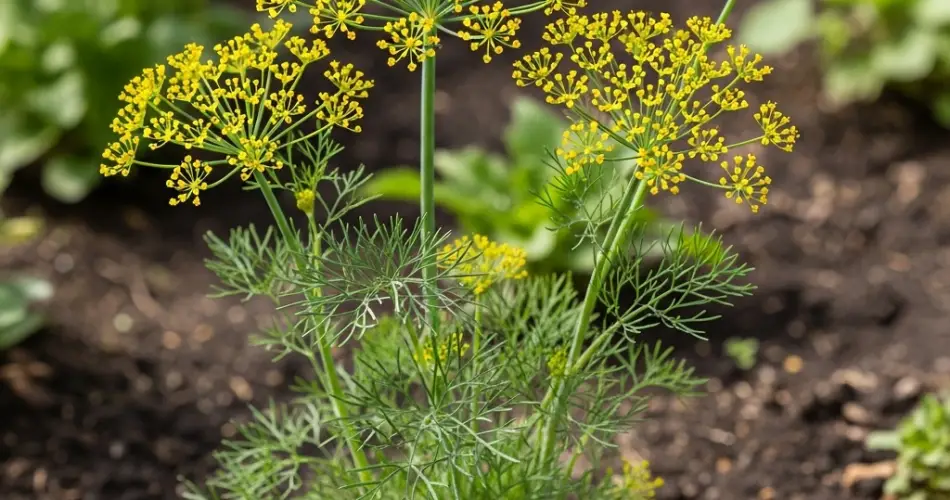
Dill (Anethum graveolens) is a flavorful herb widely used in pickling and cooking. Beyond its culinary uses, dill offers a variety of benefits in the garden. With its tall, airy growth habit and umbrella-like flowers, dill not only attracts beneficial insects but can also support the health of nearby plants when thoughtfully placed. However, like any herb, it has its preferred companions—and some plants that it doesn’t get along with.
Understanding what works and what doesn’t when companion planting with dill can help you create a thriving, harmonious garden. Let’s explore which plants benefit from being near dill, and which ones to keep at a distance.
Why Companion Plant with Dill?
Companion planting with dill can be a great strategy for:
-
Attracting beneficial insects like ladybugs, lacewings, and parasitic wasps, which help control pests.
-
Repelling garden pests such as aphids and spider mites with its strong scent.
-
Enhancing the growth of some vegetables through natural synergy.
-
Improving biodiversity in your garden, which can help with disease and pest resistance.
That said, dill has a strong personality in the garden. It can stunt the growth of certain plants, especially as it matures, and even cross-pollinate with close relatives, which may lead to unwanted results.
Best Companion Plants for Dill
1. Cabbage Family (Brassicas)
Dill makes an excellent companion to brassicas like cabbage, broccoli, kale, and Brussels sprouts. The aromatic nature of dill helps deter pests such as cabbage loopers, aphids, and cabbage worms that commonly attack these crops.
Why it works:
The scent of dill confuses pests, while the plant’s flowers attract predatory insects that protect brassicas from harm.
2. Lettuce
Lettuce benefits from dill’s pest-repelling properties. Dill can act as a natural insect barrier without shading out these low-growing leafy greens.
Why it works:
Dill’s upright growth allows sunlight to reach lettuce plants while offering some protection from aphids and spider mites.
3. Onions and Garlic
Dill works well alongside onions and garlic, forming a natural pest defense zone in the garden. These aromatic plants reinforce one another’s abilities to confuse and repel pests.
Why it works:
They complement each other by deterring insects like carrot flies, aphids, and Japanese beetles.
4. Cucumbers
Cucumbers and dill are not just a good match on the plate—they also grow well together. Dill attracts pollinators that help cucumbers produce more fruit and can repel pests such as spider mites and aphids.
Why it works:
Pollinators like bees love dill’s flowers, which increases cucumber pollination. The strong aroma also wards off certain cucumber pests.
5. Corn
Corn and dill may seem like an unlikely pairing, but dill’s ability to attract beneficial insects can help reduce corn earworm infestations.
Why it works:
Dill provides a habitat for predatory insects that feed on common corn pests.
Plants to Avoid Planting Near Dill
Not all plants appreciate being close to dill. Some are sensitive to the compounds dill releases or suffer from competition for light and nutrients.
1. Carrots
Dill and carrots belong to the same plant family (Apiaceae), and while they may appear similar, they do not grow well together. They can easily cross-pollinate, leading to poor seed quality, and they compete for similar nutrients.
Why it doesn’t work:
Both plants have similar needs and attract the same pests, making them more susceptible to infestation when grown together.
2. Tomatoes
Dill can be a double-edged sword when grown with tomatoes. While young dill plants may help by attracting beneficial insects, mature dill can stunt tomato growth.
Why it doesn’t work:
As dill matures, it may release allelopathic compounds that inhibit tomato growth. It’s best to avoid placing them together or to remove dill before it matures.
3. Peppers
Like tomatoes, peppers can be sensitive to mature dill plants. Dill’s strong root system may interfere with pepper root development and nutrient uptake.
Why it doesn’t work:
Competition for root space and nutrients can reduce pepper plant productivity.
4. Potatoes
Potatoes are another member of the nightshade family that should be kept away from dill. They can suffer from similar issues as tomatoes and peppers when dill is nearby.
Why it doesn’t work:
Dill may reduce potato yields by interfering with root development and attracting pests that harm both plants.
Tips for Successful Dill Companion Planting
-
Use dill as a trap crop by planting it near pest-prone vegetables to lure insects away.
-
Let some dill go to flower to attract pollinators and beneficial insects throughout the growing season.
-
Succession sow dill to always have young plants in the garden. Younger plants are generally more beneficial and less likely to inhibit neighbors.
-
Avoid overcrowding to reduce competition for nutrients and light.
-
Use containers if you want to grow dill near sensitive plants like tomatoes or peppers. This allows you to enjoy dill’s benefits without risking unwanted effects.
Final Thoughts
Dill is a valuable companion plant when used strategically. It pairs beautifully with crops like cucumbers, brassicas, and lettuce, offering natural pest control and pollination support. But it doesn’t get along with everyone. Nightshades and root crops like carrots and potatoes are better planted away from dill to avoid stunted growth or pest attraction.
By learning what works and what doesn’t, you can use dill to your advantage, creating a healthier, more resilient garden that thrives naturally—without needing synthetic pest control.


