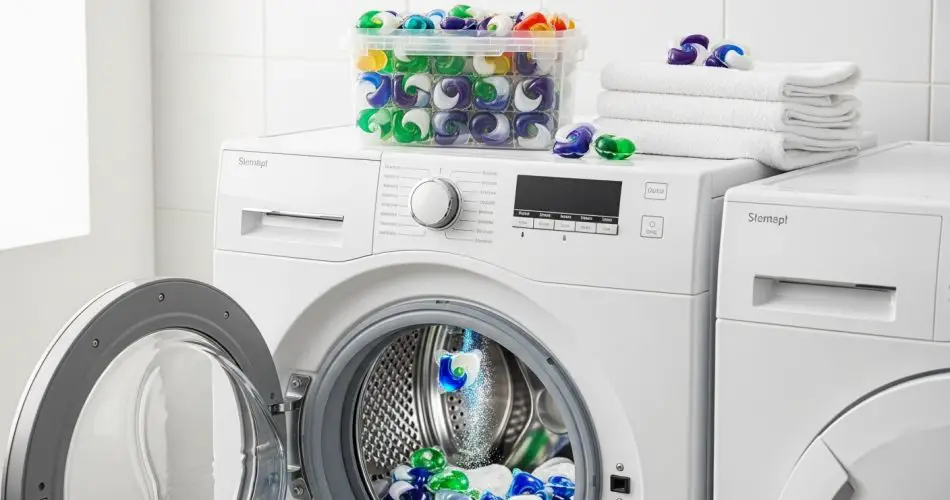
When it comes to doing laundry, one of the biggest debates in households today revolves around what type of detergent to use — liquid or capsule. Both promise clean, fresh-smelling clothes, but when it comes to saving money and getting the best performance, which one truly comes out on top?
With the rising cost of living, finding ways to reduce household expenses has become essential. Detergents are one of those recurring costs that seem small but quickly add up over time. To understand which type offers better value, a detailed analysis was carried out comparing 20 commercial laundry detergents and two homemade options. The results reveal surprising insights into cost, effectiveness, and environmental impact.
Understanding the True Cost of a Wash
One of the most important factors when choosing a laundry detergent is its price per wash, not the total price on the label. Many people mistakenly compare products by their shelf price, overlooking the actual number of washes each bottle or pack provides.
To calculate the real cost per wash, simply divide the total cost of the detergent by the number of washes indicated on the packaging. Both liquid detergent bottles and capsule boxes list this information clearly, allowing an easy price comparison.
When this calculation was applied across various popular brands, the results were quite telling. The cost of a single dose of liquid detergent ranges from €0.15 to €0.42, with an average of €0.22 per wash. In contrast, capsule detergents — also known as pods — cost around €0.28 per wash on average.
That means, over time, using liquid detergent can lead to noticeable savings. For example, if you do 250 loads of laundry per year, using capsules could cost you about €70, while liquid detergent might total around €55. It may not seem like a huge difference at first, but multiplied by years and family size, the savings become significant.
Why Capsules Cost More
Capsule detergents are pre-measured doses that dissolve in water during the wash cycle. They’re convenient — you simply toss one in the drum, and you’re done. There’s no mess, no measuring, and no risk of overdosing.
However, that convenience comes at a price. The packaging and production of capsules are more complex, as each pod must contain the right mix of detergent, softener, and stain remover, all sealed in a water-soluble film. This manufacturing process raises the cost per unit, which gets passed on to consumers.
Moreover, because each capsule is a fixed dose, there’s less flexibility. You can’t adjust the quantity based on the size or dirtiness of the load. With liquid detergent, you can use slightly less for lightly soiled clothes or smaller loads — which means even more savings over time.
The price difference is not marginal. According to product comparisons, capsule detergents can cost up to three times more per wash than some budget-friendly liquid options. For example, one eco-friendly capsule brand costs €0.36 per wash, while a comparable liquid detergent from the same manufacturer costs only €0.15.
Are Liquids and Capsules Equally Effective?
While cost is crucial, effectiveness can’t be ignored. Both liquid and capsule detergents are designed to remove dirt, eliminate odors, and keep fabrics soft. Independent testing has shown that both formats perform well in most washing conditions.
That said, liquid detergents tend to have a slight edge when dealing with stains and pre-treating garments. Because they can be applied directly onto stains before washing, they’re more versatile. Capsules, on the other hand, can’t be used this way — they must be placed in the drum before the clothes, making them less flexible for spot cleaning.
Another advantage of liquid detergents is their adaptability to different temperatures. Many are formulated to work effectively in cold water, which saves energy and reduces electricity costs. Capsules can also perform well at lower temperatures, but not all brands dissolve completely in cold cycles, which may leave residue on clothes or inside the drum.
Environmental Considerations
The environmental impact of detergents is also worth mentioning. Modern detergents — both liquid and capsules — are tested to ensure they meet safety and environmental standards. Most leading brands have reduced harmful chemicals like phosphates and optical brighteners to make their products more sustainable.
Some well-known eco-friendly brands, such as L’Arbre Vert and Ariel Origine Vegetale, contain a smaller proportion of synthetic ingredients and are highly effective at removing stains while being gentle on fabrics and safe for the planet.
However, liquid detergents are often sold in large, recyclable plastic bottles, while capsules come in smaller containers that may not always be fully recyclable. This makes liquids the slightly greener option overall, especially when bought in bulk or refill packs.
A Matter of Perspective: Cost, Convenience, and Performance
Ultimately, the choice between liquid and capsule detergent depends on your priorities. If you value convenience and simplicity, capsules are incredibly easy to use and ensure you never use too much detergent. But if your goal is to save money without compromising cleaning power, liquid detergents clearly have the advantage.
For families or households that do laundry frequently, even small differences in cost per wash can add up to substantial yearly savings. Liquids also offer flexibility, allowing users to tailor the amount used depending on the load size and soil level — something capsules can’t match.
So, while both options are effective and safe, the analysis is clear: liquid detergent is the more economical and versatile choice. With the cost of living continuing to rise, paying attention to details like detergent type and dose can help reduce expenses without sacrificing cleanliness or quality.
In short, if your goal is maximum cleanliness with minimal spending, opt for a good-quality liquid detergent. It’s the smarter, more flexible, and budget-friendly solution for your laundry routine.