As the midsummer sun graces your garden, promising a bounty of tomatoes you’ve lovingly cultivated, an unwelcome sight may greet you: black bottoms on your prized tomatoes. This phenomenon, known as blossom end rot, is a common issue for tomato enthusiasts worldwide. In this article, we delve into the details of this problem, exploring its causes, symptoms, and, most importantly, how to treat and prevent it for future tomato harvests.
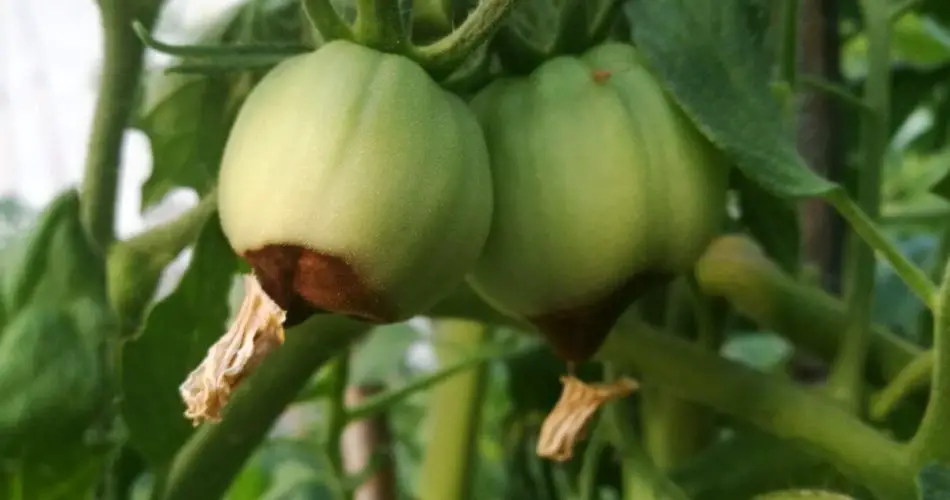
Understanding Blossom End Rot: The blackening of the base of your tomatoes, often referred to as the “black butt,” is a manifestation of blossom end rot. Contrary to its appearance as a disease, this issue stems from cultural factors related to soil minerals and humidity levels. While you can’t reverse the rot in affected fruits, preventive measures can be taken to mitigate future occurrences.
Causes of Blossom End Rot in Tomatoes: Blossom end rot is primarily a physiological disorder triggered by a calcium deficiency in the soil. Other contributing factors include inconsistent watering, low soil pH, and excessive nitrogen levels. The result is the development of black, gray, or brown sunken areas at the lower end of the tomato, where the flower once resided.
This problem isn’t exclusive to tomatoes; zucchini, squash, peppers, eggplants, and watermelons can also fall victim to blossom end rot. Typically observed in early summer as the first fruits emerge, this issue, although alarming, is often preventable and tends to resolve itself with subsequent fruiting.
While calcium deficiency is a prominent cause, various factors can influence soil calcium levels. The intricate interplay of soil minerals, pH, and moisture levels can affect the plant’s ability to access essential nutrients.
Symptoms of Tomato Black Bottom: Identifying blossom end rot is relatively straightforward, as the symptoms are distinctive. Look out for the following signs:
- Water-soaked lesions at the base of ripe tomatoes.
- Pasty spots on the tip of the flower.
- Bruising on green fruits.
- Black or brown discoloration.
- Dark and rotten bottoms on tomatoes (often accompanied by secondary fungal and bacterial diseases).
- Premature fruit rotting.
Preventive Measures to Avoid Tomato Black Bottom: Once your tomatoes exhibit blossom end rot, it’s irreversible for the affected fruits. However, you can swiftly implement strategies to prevent future occurrences while the plant continues to produce. Here are immediate and preparatory methods for combatting blossom end rot:
- Apply a Calcium Foliar Spray: Combat calcium deficiency swiftly with a foliar calcium spray. Dilute a readily available calcium fertilizer according to package instructions and spray it directly onto the tomato leaves. This allows for rapid absorption through the leaf stomata, aiding in preventing blossom end rot in subsequent tomatoes.
- Long-Term Improvement of Soil Calcium Levels: Addressing calcium levels in the soil requires a comprehensive approach. Calcium supplements can be applied to enhance soil calcium content. Depending on your soil test results, regular amendments with calcium may be necessary to ensure sustained levels.
- Maintain Regular Watering: Achieve a balance in your watering schedule to prevent uneven moisture levels. Consistent soil moisture is crucial for calcium absorption by plants. Avoid extremes, ensuring the soil never dries out completely or becomes waterlogged. During extreme heat, maintain soil moisture by checking every two days, watering thoroughly a few times a week, and using mulch to retain moisture.
- Check soil moisture regularly.
- Water tomatoes deeply a few times weekly to enhance water penetration.
- Apply straw, grass clippings, or leaf mold as mulch around tomato bases.
- Utilize drip lines or soaker hoses on timers for efficient irrigation.
- Maintain high levels of organic matter in the soil.
Strive for stability in your watering routine, avoiding drastic fluctuations. Never let the soil completely dry out between rains or waterings.
In Conclusion: The unsightly appearance of black bottoms on your tomatoes may evoke concern, but it doesn’t signal the end of your season’s crop. Since blossom end rot is a physiological issue rather than a disease, it can be effectively addressed. Quick calcium sources, such as baking soda, wood ashes, or foliar sprays, offer rapid relief. Consider incorporating companion plants to shield your tomatoes from pests, and focus on establishing an even watering regimen while enhancing soil mineral balance and pH.
Have you encountered the challenge of blossom end rot? Share your experiences and solutions!