Radishes are a garden favorite, prized for their crisp texture and peppery flavor. These fast-growing root vegetables are not only easy to cultivate but also add a vibrant pop to salads, slaws, and even roasted dishes. Whether you’re a seasoned gardener or just starting out, growing and enjoying radishes is a rewarding experience that brings both flavor and nutrition to the table.
Why Grow Radishes?
Radishes are ideal for home gardeners due to their quick growth cycle. Some varieties are ready to harvest in as little as 3 to 4 weeks, making them perfect for those who want fast results. Additionally, radishes thrive in both spring and fall, offering flexibility in planting seasons.
Their spicy, zesty bite also makes them a unique addition to any kitchen. Besides the common round red radishes, there are many varieties with different shapes, colors, and flavors—like the long white Daikon, colorful Easter Egg mix, and the striking Watermelon radish.
Choosing the Right Variety
Before planting, it’s important to pick a radish variety suited to your climate and culinary needs. Here are some popular options:
-
Cherry Belle: The classic round red radish, ready in about 22 days.
-
French Breakfast: A mild, elongated variety with white tips, known for its tender flesh.
-
Daikon: A larger, white radish that takes longer to mature but is excellent for cooking and fermenting.
-
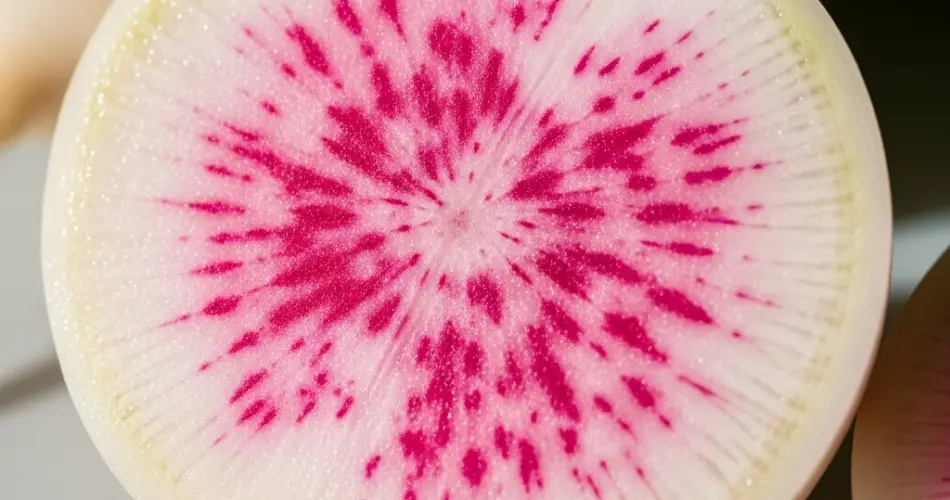
Watermelon Radish: Pale green on the outside with a vibrant pink interior—ideal for presentation and salads.
How to Plant Radishes
Radishes grow best in cool weather, so aim to plant them in early spring or late summer. Choose a sunny spot in your garden with loose, well-draining soil. Radishes dislike compacted soil, which can lead to misshapen roots.
Steps to plant radishes:
-
Prepare the soil: Loosen it to at least 6 inches deep. Remove rocks and clumps that might hinder root development.
-
Sow seeds directly: Space them about 1 inch apart in rows 12 inches apart. Plant seeds about ½ inch deep.
-
Thin seedlings: Once they sprout, thin them to 2 inches apart to allow roots to grow properly.
-
Water regularly: Keep the soil evenly moist. Inconsistent watering can cause radishes to split or become pithy.
Avoid over-fertilizing with nitrogen-rich composts or fertilizers, which promote lush foliage but small roots. Instead, focus on balanced nutrients or composted organic matter.
Harvesting and Storage
Radishes are best harvested young, while they’re still tender and flavorful. Most varieties are ready 3–5 weeks after planting. If left too long in the soil, they can become woody or overly spicy.
To harvest, simply grasp the leafy tops and gently pull the radish from the soil. Shake off any dirt, rinse well, and trim the tops to preserve freshness.
For storage, place unwashed radishes in a perforated plastic bag in the refrigerator. They will stay crisp for up to two weeks. Remove the greens before storing, as they draw moisture from the root.
Cooking and Eating Radishes
While radishes are often enjoyed raw for their crunch and spice, they’re also delicious cooked. Roasting radishes mellows their peppery flavor and gives them a sweet, earthy taste. You can also sauté, pickle, or ferment them for different textures and flavor profiles.
Don’t toss the greens! Radish leaves are edible and can be used in pesto, soups, or stir-fries. They are rich in nutrients like vitamin C, calcium, and iron.
Here are a few easy ideas for enjoying radishes:
-
Slice raw and toss into a mixed greens salad
-
Add to sandwiches for a crunchy bite
-
Roast with olive oil and garlic as a side dish
-
Pickle with vinegar, sugar, and salt for a tangy condiment
-
Blend radish greens into smoothies or pesto
Common Problems and Solutions
Radishes are generally trouble-free, but a few issues may arise:
-
Bolting: This happens when radishes flower too early, often due to heat. Plant in cooler weather and choose bolt-resistant varieties.
-
Pests: Flea beetles and root maggots may target young plants. Floating row covers and crop rotation can help prevent infestations.
-
Poor root formation: Caused by overcrowding or nutrient imbalance. Make sure to thin seedlings and avoid too much nitrogen.
Final Thoughts
Growing radishes is one of the easiest ways to get started in vegetable gardening. Their speedy growth, versatility in the kitchen, and peppery crunch make them a rewarding crop for any gardener. With just a bit of space and care, you can enjoy fresh, crisp radishes straight from your garden—ready to slice, roast, or pickle to your heart’s content.


