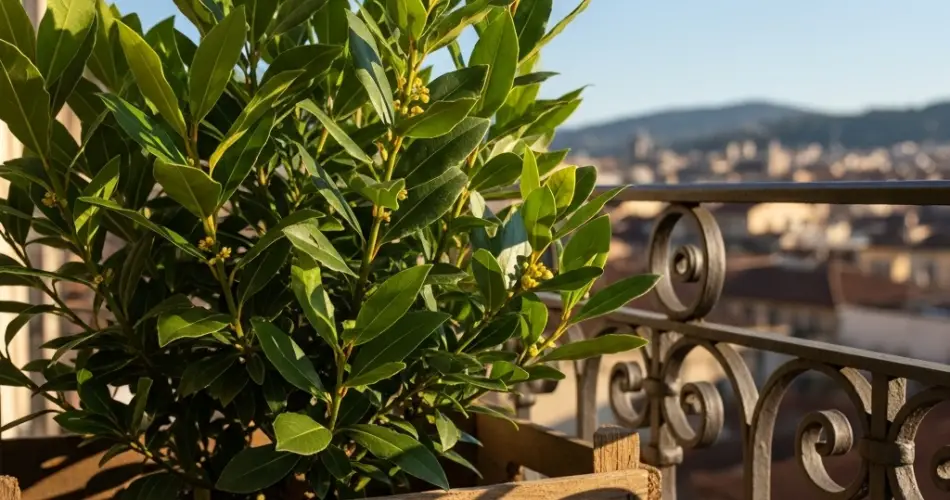
Bay leaf, or laurel, is a timeless herb cherished in kitchens around the world. Its glossy evergreen leaves add fragrance and flavor to soups, stews, sauces, and even marinades. While many associate bay leaf trees with large gardens or Mediterranean landscapes, this aromatic plant can also thrive in compact balcony gardens when grown in crates. Wooden crates provide the right balance of space, drainage, and rustic style, making them perfect containers for cultivating bay leaf plants in urban settings.
Why Grow Bay Leaf in Crates?
Bay leaf trees are slow-growing and adaptable, which makes them an excellent candidate for container gardening. Wooden crates, in particular, offer several benefits. Their rectangular shape saves space on narrow balconies, and their natural wood structure provides insulation that helps regulate soil temperature. Crates are also lightweight compared to ceramic pots of similar size, making them easier to reposition as your balcony’s sunlight shifts with the seasons.
From an aesthetic perspective, crate-grown bay leaf plants enhance your balcony with both visual appeal and fragrance. The rich green leaves add a touch of Mediterranean charm, while the aroma of freshly crushed leaves brings a refreshing herbal scent to the air.
Selecting the Right Crate
The container you choose is crucial for your bay leaf plant’s long-term health. Since bay trees can grow tall, start with a crate that is at least 16–18 inches deep and wide. This allows room for roots to spread without becoming cramped.
Make sure the crate has good drainage. Drill several holes at the bottom if they are not already present, and line the interior with breathable fabric to prevent soil from washing out while protecting the wood. To prolong the life of the crate, elevate it slightly on pot feet or bricks so water doesn’t pool underneath.
Soil Mix for Bay Leaf Plants
Bay leaf thrives in a well-draining, slightly sandy soil. A balanced crate mix might include:
-
40% high-quality potting soil for structure
-
30% compost or aged manure to provide nutrients
-
20% coarse sand or perlite to ensure proper drainage
-
10% coco coir or peat moss to retain some moisture without waterlogging
The soil should ideally have a pH between 6.0 and 7.5, as bay leaf plants prefer a neutral to slightly acidic environment. Before planting, mix in a slow-release organic fertilizer to give your plant a strong start.
Planting Your Bay Leaf Tree
Bay leaf can be grown from seed, but it’s much easier and faster to start with a young plant or cutting from a nursery. Place the plant in the center of the crate and backfill with soil, making sure the root ball sits level with the top of the soil line. Firm the soil gently and water thoroughly to help the roots settle.
Since bay leaf is a perennial shrub or small tree, it’s important to remember that your crate-grown plant will likely live for many years. With proper pruning and occasional repotting into a larger container, it can be a long-term fixture of your balcony garden.
Light and Watering Needs
Bay leaf plants love the sun. Place your crate where it will receive at least 6 hours of direct sunlight daily. If your balcony only gets partial sun, position the crate where light is strongest, such as against a wall that reflects extra warmth.
When it comes to watering, bay leaf prefers soil that is moist but not soggy. Allow the top inch of soil to dry out slightly before watering again. Overwatering can cause root rot, so make sure excess water drains freely from the crate. During hot summer months, you may need to water more frequently, while in cooler seasons watering should be reduced.
Pruning and Care
Pruning is essential to keep your bay leaf plant compact and crate-friendly. Trim back long shoots in spring and summer to encourage bushier growth. You can also harvest leaves regularly, which doubles as natural pruning.
Every spring, feed your plant with a balanced organic fertilizer or compost tea to replenish nutrients. If your crate is small, consider root pruning every few years and refreshing the soil mix to keep the plant healthy.
Pests and Common Issues
Bay leaf plants are generally hardy but may attract scale insects, aphids, or spider mites, especially in warm climates. Inspect leaves regularly and treat infestations with neem oil or insecticidal soap. Good air circulation around your crate will help prevent fungal problems like powdery mildew.
If your plant shows yellowing leaves, it could be a sign of waterlogging or nutrient deficiency. Adjust your watering schedule and feed the plant as needed.
Harvesting and Using Bay Leaves
One of the joys of growing bay leaf is the continuous supply of fresh leaves. Mature leaves can be harvested at any time of year. For the best flavor, pick leaves from established plants that are at least two years old. After harvesting, you can use the leaves fresh or dry them for longer storage. Dried leaves tend to have a stronger, more concentrated flavor, making them ideal for soups, sauces, and braised dishes.
Conclusion
Crate-grown bay leaf plants are a fragrant and practical addition to balcony gardens. With the right soil mix, proper sunlight, and occasional pruning, this Mediterranean evergreen thrives in compact spaces while offering a steady supply of aromatic leaves for your kitchen. The rustic charm of wooden crates complements the glossy green foliage, making your balcony both beautiful and functional.
By dedicating a single crate to this hardy herb, you bring a touch of the Mediterranean to your urban home—proving that even in small spaces, you can cultivate flavors that elevate your everyday cooking.


