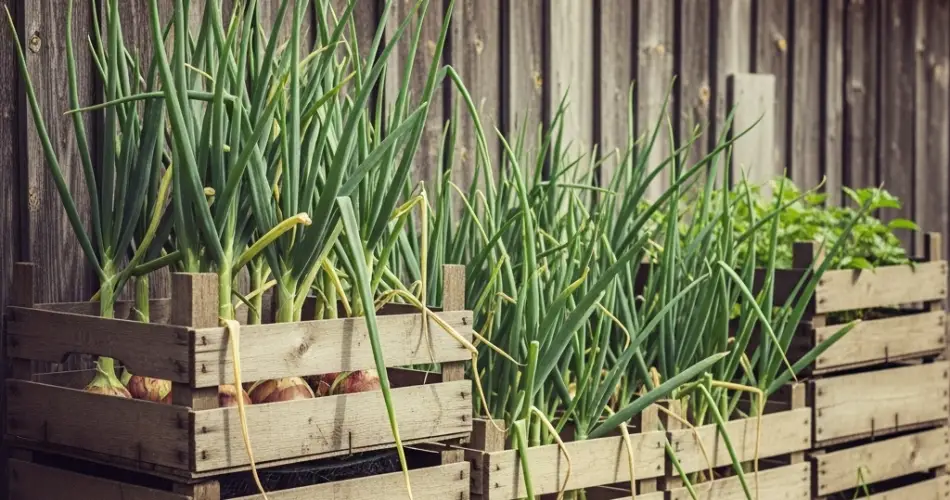
Growing onions at home doesn’t require a full-sized garden. With a few recycled wooden crates and the right care, you can easily cultivate both green onions and bulb onions right in your backyard, patio, or balcony. Crate gardening is an excellent solution for urban gardeners or anyone working with limited outdoor space, offering a flexible and sustainable way to grow fresh onions year-round.
Here’s a complete guide to growing green and bulb onions in crates—from choosing your planting materials to harvesting flavorful, homegrown onions.
Why Grow Onions in Crates?
Onions adapt well to container growing, and wooden crates provide ideal depth and drainage for root development. Some of the key benefits of crate gardening for onions include:
-
Space efficiency: Crates fit on patios, balconies, or even windowsills.
-
Soil control: You can provide the perfect growing mix without worrying about poor native soil.
-
Portability: Crates can be moved to chase sunlight or shelter from weather.
-
Sustainability: Wooden crates are easy to find, often free, and eco-friendly when reused.
Choosing the Right Crates and Setup
To grow onions successfully, choose crates that are at least 8–10 inches deep. Green onions (scallions) have shallow roots, but bulb onions need space to expand underground. Fruit crates, wine boxes, or any similar wooden containers will work. Ensure the crate is made from untreated wood and has enough drainage.
Setup Tips:
-
Line the inside with landscape fabric, burlap, or mesh to hold in soil.
-
Drill drainage holes if the crate doesn’t already have them.
-
Place the crate in a sunny location—onions need at least 6 hours of sunlight daily.
What Type of Onions Should You Grow?
There are many onion varieties suited to crate growing, depending on your preference:
-
Green onions (also called scallions or spring onions): These are harvested before the bulb forms and are ideal for repeat harvests.
-
Bulb onions (red, yellow, or white): These take longer to mature but yield full-sized, flavorful bulbs.
Choose short-day varieties if you live in southern climates with mild winters, and long-day varieties for northern areas with long summer days.
Planting Onions in Crates
You can grow onions from seeds, sets (small immature bulbs), or transplants. For beginners, sets or transplants are easiest and quickest.
Soil mix:
-
Use well-draining soil with good organic content.
-
Mix two parts potting soil, one part compost, and a handful of perlite or coarse sand to improve aeration.
Planting depth and spacing:
-
Plant green onions about 1 inch deep and 2 inches apart.
-
For bulb onions, space them 4 inches apart and plant just deep enough to cover the roots.
-
Rows should be spaced about 4–6 inches apart.
Gently firm the soil after planting and water thoroughly.
Watering and Sunlight Needs
Onions prefer consistent moisture but don’t tolerate waterlogging. Crates with good drainage help prevent soggy conditions that can lead to root rot.
-
Water regularly to keep the soil lightly moist, especially during dry spells.
-
Avoid overhead watering to reduce the risk of fungal diseases.
-
Make sure your crates are placed where they receive at least 6–8 hours of full sun each day.
Fertilizing Onions in Crates
Onions are moderate feeders and will benefit from supplemental nutrition throughout the growing season.
-
Use a balanced organic fertilizer every 2–3 weeks.
-
Alternatively, feed with compost tea or fish emulsion to encourage healthy green tops and bulb formation.
-
Reduce nitrogen application after bulbs begin to swell to promote ripening rather than foliage growth.
Caring for Crate-Grown Onions
Weeding: Crate planters typically don’t suffer from many weeds, but remove any that appear so they don’t compete for nutrients.
Mulching: A light layer of straw or shredded leaves can help retain moisture and suppress weed growth.
Pest control: Onions are relatively pest-resistant, but keep an eye out for thrips or aphids. Use neem oil or insecticidal soap if needed. Companion planting with carrots or marigolds can help deter pests naturally.
Harvesting and Storage
Green onions can be harvested about 30–40 days after planting, once the shoots are thick enough. You can snip off the greens and let the plant regrow, or pull the entire plant.
Bulb onions take longer—typically 90 to 120 days, depending on variety. When the tops turn yellow and begin to fall over, stop watering and allow the bulbs to mature in dry soil for a week. Then pull them up gently and let them cure in a dry, ventilated spot for 1–2 weeks before storing.
Store bulb onions in a cool, dry place away from direct light. Mesh bags or baskets are ideal for air circulation.
Final Tips
-
For a steady supply of green onions, stagger your plantings every two weeks.
-
Use leftover kitchen scraps to regrow green onions by placing the white root ends in water until new shoots emerge, then transfer them into your crate.
-
Don’t overcrowd your crates—good airflow is essential for healthy onion growth.
With just a few wooden crates and some basic gardening care, you can grow both green and bulb onions with ease, no matter how limited your space. Whether you’re a beginner or a seasoned gardener, crate gardening offers a productive and attractive way to enjoy fresh onions from your own backyard.


