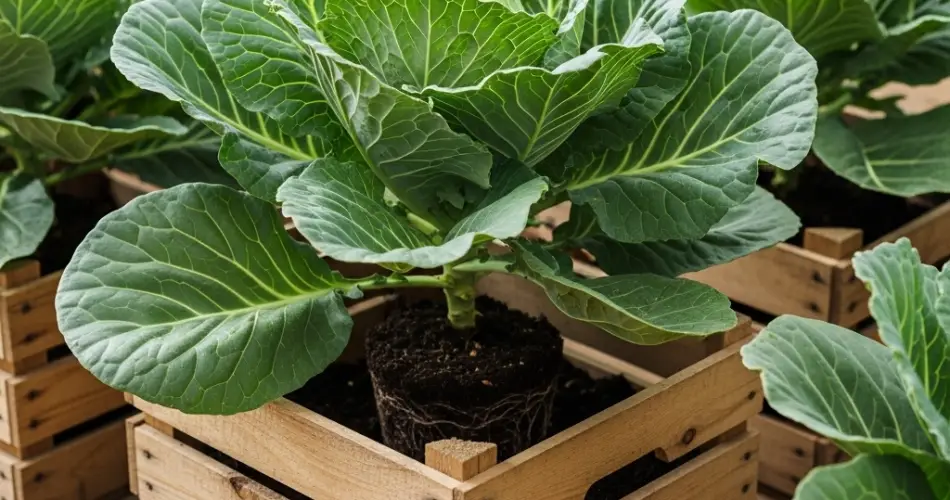
Growing cabbage in a backyard doesn’t require a large garden plot. By using wooden crate beds, you can cultivate healthy, compact cabbage crops in a neat, organized space that’s easy to manage. This method works especially well for small yards, patios, and urban gardens, offering the advantage of controlled soil quality, reduced weed growth, and better pest management.
With the right setup and care, crate-grown cabbages can be just as lush and flavorful as those from a traditional garden, while taking up far less room.
Why Choose Crate Beds for Cabbage
Cabbage is a cool-season crop that grows best in rich, well-draining soil with consistent moisture. Planting in wooden crates allows you to:
-
Control the growing medium for optimal nutrient content.
-
Save space by concentrating plants in a smaller, contained area.
-
Move the bed if needed to follow sunlight or avoid pests.
-
Reduce bending and kneeling since crate beds can be raised off the ground.
Crate beds are also ideal for gardeners with limited or poor-quality soil, as you’re building a fresh, fertile growing environment from scratch.
Choosing and Preparing the Crates
Select sturdy wooden crates made from untreated lumber to avoid chemicals leaching into the soil. A depth of at least 12–14 inches is necessary for cabbage roots to develop properly.
Line the inside with landscape fabric, burlap, or cardboard to prevent soil loss while still allowing excess water to drain. Drill a few extra holes in the bottom if drainage seems insufficient.
Place the crates in a location that receives 6–8 hours of direct sunlight daily, as cabbage needs full sun for strong growth.
Creating the Ideal Soil Mix
Cabbage thrives in nutrient-rich soil that holds moisture but doesn’t stay soggy. A balanced mix for crate planting includes:
-
40% garden soil for structure.
-
40% compost for nutrients and organic matter.
-
20% coconut coir or peat moss for moisture retention and lightness.
You can also add a handful of organic fertilizer or well-rotted manure to give your young cabbage plants a strong start. Mix everything thoroughly before filling the crate to ensure even nutrient distribution.
Planting Cabbage in Crate Beds
You can grow cabbage from seeds or transplants. If starting from seed, sow them indoors 4–6 weeks before the last expected frost, then transplant the seedlings when they are 3–4 inches tall and the weather is cool.
For crate beds, plant cabbage 12–14 inches apart to allow room for the heads to form. Most medium-sized crates can hold 2–4 plants comfortably, depending on the variety.
Press the soil gently around the base of each seedling to ensure stability, then water thoroughly.
Watering and Fertilizing
Cabbage needs consistent moisture to form tight, tender heads. Check the soil daily, especially in warmer weather, and water whenever the top inch feels dry. Crate beds can dry out faster than ground beds, so deep watering is important.
Feed cabbage with a nitrogen-rich organic fertilizer every 2–3 weeks during the early growth phase to encourage leafy development. Once the heads start to form, switch to a balanced fertilizer to support both foliage and head growth.
Pest and Disease Prevention
Cabbage can attract common pests like cabbage worms, aphids, and flea beetles. To protect your plants:
-
Use row covers during early growth stages to block insects.
-
Inspect leaves regularly and remove pests by hand.
-
Apply organic pest controls, such as neem oil or insecticidal soap, when necessary.
For disease prevention, avoid overhead watering, provide good airflow between plants, and rotate crops each season to prevent soil-borne issues.
Harvesting Cabbage from Crate Beds
Cabbage heads are ready to harvest when they feel firm and reach the size typical for their variety—usually 6–8 inches across for compact types. Use a sharp knife to cut the head at the base, leaving the outer leaves and stem in place.
If you leave the root system and some leaves intact, the plant may produce smaller secondary heads, extending your harvest.
Benefits of Crate-Grown Cabbage in Small Spaces
-
Neat appearance – Crate beds look organized and can enhance backyard aesthetics.
-
Easy mobility – You can move the crate to adjust sunlight exposure or protect crops from frost.
-
Reduced weeding – The contained bed limits weed intrusion, making maintenance easier.
-
Efficient use of compost – You only enrich the crate soil, not an entire garden bed.
Final Tips for Success
-
Choose cabbage varieties suited for compact growth, such as ‘Golden Acre’ or ‘Stonehead,’ for best results in crate beds.
-
Mulch the soil surface with straw or dried leaves to retain moisture and suppress weeds.
-
Monitor soil fertility throughout the season and top up with compost if needed.
By using wooden crate beds, you can enjoy a steady supply of crisp, flavorful cabbage even in the smallest backyard. This method is simple, adaptable, and perfect for gardeners looking to make the most of limited space while keeping their vegetable patch tidy and productive.