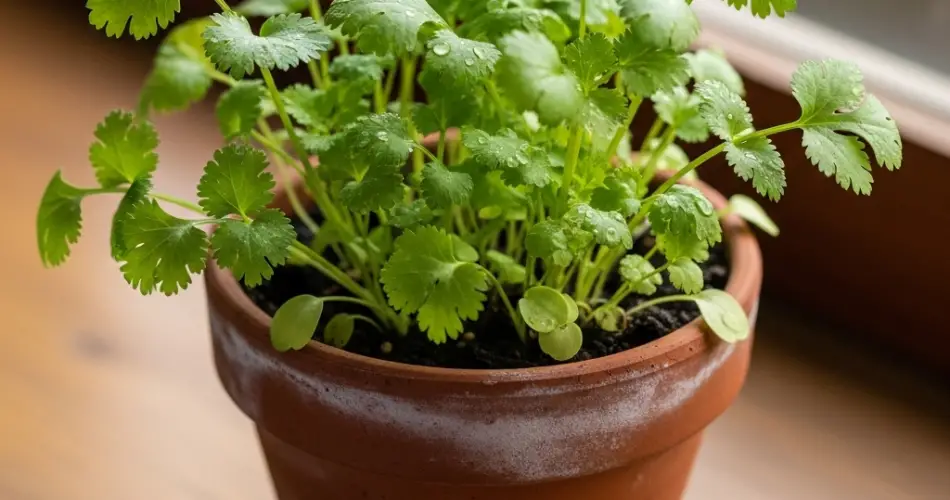
Cilantro, also known as coriander leaves, is a staple herb in kitchens around the world. Its bright, citrusy flavor adds depth to salsas, curries, soups, and countless other dishes. However, many home gardeners struggle to keep a steady supply of fresh cilantro because the plant tends to bolt—flower and go to seed—fairly quickly. The good news is that with the right techniques, you can enjoy continuous cilantro harvests from just one pot, ensuring you always have this flavorful herb on hand.
Choosing the Right Pot and Soil
The foundation for healthy, long-lasting cilantro begins with the container. Select a pot that is at least 8–10 inches deep. Cilantro develops long taproots, and a shallow container can restrict growth, leading to stress and early bolting. Wide pots also work well because they allow you to sow seeds in succession, which is key for ongoing harvests.
For soil, use a light, well-draining mix enriched with organic compost. Cilantro prefers soil that retains some moisture but does not stay soggy. Adding perlite or sand to the mix helps improve drainage, while compost provides steady nutrients to support repeated leaf growth.
Planting Cilantro Seeds
Direct sowing is the best method for cilantro because it doesn’t transplant well. Start by lightly crushing the seeds to split the husks into two halves—this improves germination rates. Sow the seeds about ¼ inch deep and cover them with a thin layer of soil. Keep the soil consistently moist until sprouts appear, usually within 7–10 days.
To ensure a continuous harvest, avoid planting all the seeds at once. Instead, stagger your planting every two to three weeks in the same pot. This way, while one set of plants is maturing, new seedlings will already be sprouting.
Watering and Sunlight Needs
Cilantro thrives in cooler weather and prefers consistent moisture. Water the soil whenever the top inch feels dry, but do not let the roots sit in waterlogged conditions. Mulching the top of the soil with a thin layer of straw or coco coir helps retain moisture and keeps the soil cool, slowing down bolting.
In terms of light, cilantro does best with 4–6 hours of direct sun in warmer climates or full sun in cooler regions. If you are growing cilantro indoors, place the pot in a bright south-facing window or supplement with a grow light to maintain healthy leaf production.
Harvesting Techniques for Maximum Yield
How and when you harvest cilantro makes a big difference in how long the plant continues to produce.
-
Begin harvesting when plants reach 6 inches tall. Snip outer leaves first, leaving the inner stems to keep growing.
-
Never remove more than one-third of the plant at a time. Overharvesting can stress the plant and encourage bolting.
-
Harvest frequently. Regular cutting stimulates new growth, delaying flowering and extending the harvest period.
By rotating your harvest among the staggered plantings in the same pot, you can keep fresh cilantro available for weeks or even months.
Managing Bolting
Bolting is the biggest challenge when growing cilantro. Once the plant begins to send up flower stalks, the leaves quickly lose their flavor and become sparse. While you can allow bolted plants to go to seed and harvest coriander seeds for spice or replanting, you’ll want to slow bolting as much as possible for leaf production.
-
Keep the soil cool. As mentioned, mulching helps.
-
Provide partial shade. In hot weather, moving the pot to a location with morning sun and afternoon shade reduces heat stress.
-
Pinch off flower stalks. Removing them early can buy you a little more time for leaf harvest.
Succession Planting: The Key to Continuous Supply
Even with careful care, cilantro naturally has a short life cycle. That’s why succession planting is essential. By sowing a few seeds every couple of weeks in the same container, you always have plants at different growth stages. This method creates a rolling harvest, ensuring a steady supply of fresh leaves instead of a single flush.
Indoor vs. Outdoor Growing
Both indoor and outdoor pots can produce excellent cilantro, but conditions differ:
-
Indoors: Great for year-round growing if you have adequate light. Temperature is more controlled, so bolting is less of an issue, but you must ensure enough sun or supplement with a grow light.
-
Outdoors: Cilantro grows vigorously in spring and fall when temperatures are cooler. Summer heat can be challenging, but outdoor pots provide better airflow and stronger growth overall.
Final Thoughts
Cilantro may have a reputation as a short-lived herb, but with the right techniques, you can extend its productivity and enjoy continuous harvests from just one pot. By choosing a deep container, sowing seeds in succession, maintaining proper watering and light, and harvesting correctly, you’ll always have a fresh supply of this fragrant herb ready for your cooking. Even if one batch bolts, a new wave of seedlings will already be waiting to take its place.
Growing cilantro this way not only saves you trips to the store but also ensures you enjoy the freshest, most flavorful leaves right from your own pot.


