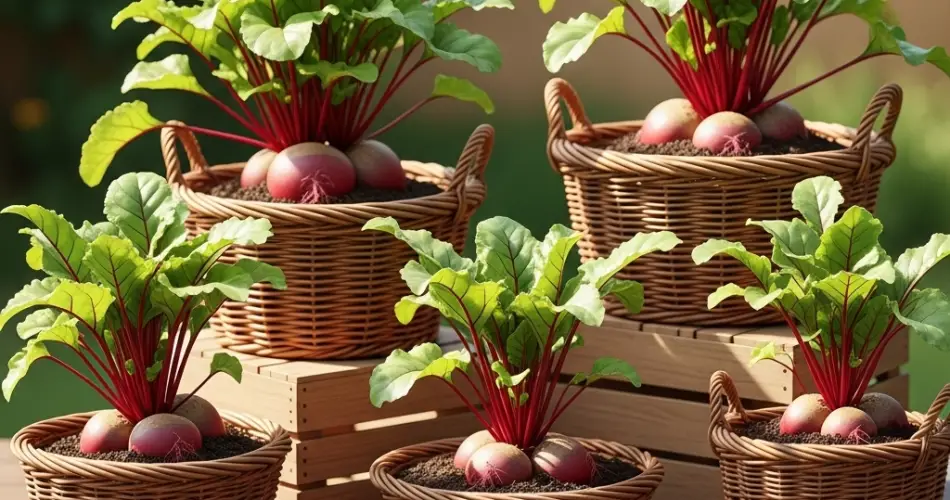
Growing beetroots in basket gardens is an ideal solution for urban gardeners and small-space growers who want a steady supply of fresh, nutritious roots. Beetroots are versatile, easy to grow, and thrive in containers that allow proper drainage and soil aeration. By using baskets, gardeners can enjoy continuous harvests throughout the season, even when space is limited. This guide provides practical tips on how to grow beetroots in baskets, maintain healthy plants, and ensure a consistent yield.
Why Basket Gardening Works for Beetroots
Beetroots have shallow roots, making them perfect candidates for container or basket gardening. Baskets are portable, lightweight, and visually appealing, and they provide an environment where soil conditions can be closely managed. Growing beetroots in baskets allows you to:
-
Maximize Limited Space – Ideal for balconies, patios, rooftops, and small urban gardens.
-
Improve Drainage – Most baskets naturally provide excellent drainage, reducing the risk of root rot.
-
Control Soil Quality – Using a custom soil mix ensures nutrient availability and proper moisture retention.
-
Encourage Continuous Harvest – With proper care and staggered planting, baskets can yield fresh beets throughout the growing season.
Choosing the Right Basket
Select a basket that is at least 10–12 inches deep to accommodate root growth, with a diameter of 12–16 inches for multiple plants. Ensure there are sufficient drainage holes at the bottom. If the weave of the basket allows soil to escape too quickly, line it with breathable material such as burlap, coconut coir, or landscape fabric. This retains soil while permitting air and water circulation.
The Ideal Soil Mix for Continuous Growth
Healthy beetroots require a well-draining, nutrient-rich soil mix. A recommended blend includes:
-
40% Organic Compost – Provides essential nutrients and improves soil structure.
-
30% Loamy Garden Soil – Supplies minerals and stabilizes the soil.
-
20% Coconut Coir or Peat Moss – Retains moisture without waterlogging the roots.
-
10% Perlite or Vermiculite – Enhances drainage and prevents soil compaction.
Mix these components thoroughly to create a light, airy medium that supports root expansion and promotes healthy plant development.
Planting for Continuous Harvests
To maintain a steady supply of beetroots, stagger sowing every two to three weeks. Sow seeds about ½ inch deep and space them 2 inches apart. Once seedlings emerge, thin them to 3–4 inches apart to allow roots room to grow. By planting in succession, you can ensure that some roots are ready for harvest while others continue to mature.
Watering and Sunlight
Beetroots need consistent moisture. Water baskets regularly to keep soil evenly damp but not soggy. Because baskets dry out faster than garden beds, check moisture levels daily, particularly during hot or windy conditions.
Beetroots thrive in full sun, requiring at least 6 hours of direct sunlight per day. If your basket garden receives limited light, consider moving baskets to brighter spots or using supplemental grow lights for indoor gardening.
Fertilizing for Success
While compost in the soil provides nutrients for initial growth, additional feeding helps sustain continuous harvests. Use a balanced liquid fertilizer or organic options such as seaweed extract or fish emulsion every two to three weeks. Avoid excessive nitrogen, as it encourages leafy growth at the expense of root development.
Harvesting Tips
Beetroots are typically ready for harvest 8–12 weeks after sowing. Pull roots gently when they reach 1.5–3 inches in diameter. Smaller roots are tender and sweet, ideal for salads or roasting, while larger roots are perfect for soups and stews. By harvesting mature beets regularly, you stimulate ongoing growth from remaining or newly planted seeds.
Managing Common Challenges
-
Cracked Roots – Usually caused by irregular watering; maintain steady soil moisture to prevent splitting.
-
Poor Growth – May result from compacted soil, nutrient deficiency, or insufficient sunlight. Amend soil, fertilize, and ensure proper light exposure.
-
Pests – Aphids, leaf miners, and beetroot nematodes can affect growth. Use organic pest control methods, such as neem oil, or employ companion planting to deter insects.
Conclusion
Basket gardening is a practical and rewarding approach to growing beetroots in urban settings. By selecting appropriate baskets, preparing a nutrient-rich soil mix, and implementing staggered planting schedules, gardeners can enjoy a continuous supply of fresh, healthy beetroots. Regular watering, sunlight management, and proper fertilization ensure vigorous plant growth and high-quality harvests. With attention to care and small adjustments for seasonal conditions, basket-grown beetroots provide an abundant and reliable source of nutritious roots for salads, soups, and a variety of dishes. Urban gardeners can transform small spaces into productive, green havens, enjoying the satisfaction of homegrown produce with every harvest.


