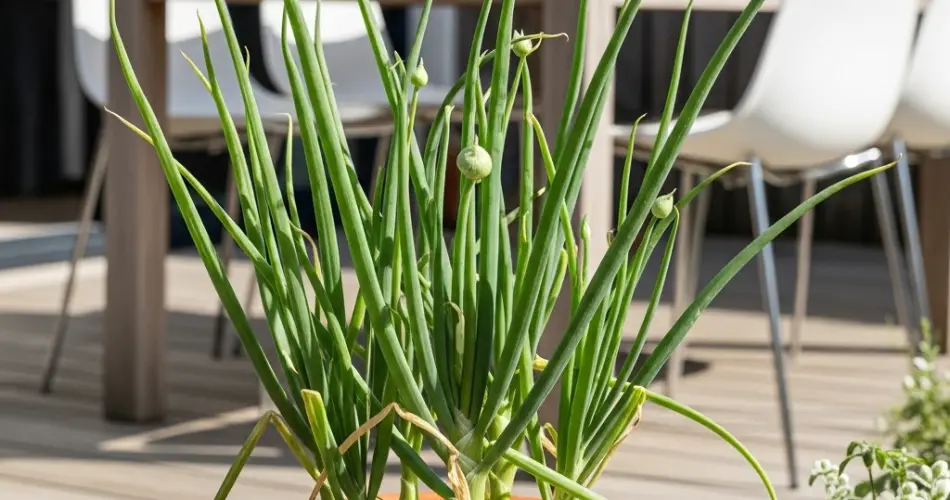
Growing onions in containers is an excellent way to enjoy a continuous harvest of fresh, flavorful bulbs—even without a garden. Perfect for balconies, patios, or sunny windowsills, this method is ideal for beginners looking to try their hand at homegrown vegetables. With minimal space, effort, and equipment, you can grow onions successfully in pots and enjoy both the green tops and the mature bulbs.
Here’s a step-by-step guide to help you get started with container-grown onions.
Why Grow Onions in Containers?
Onions are a kitchen essential, and growing them at home means you’ll always have a fresh supply within arm’s reach. Container cultivation offers several advantages:
-
Space-saving: Perfect for small areas or urban settings
-
Soil control: Reduces the risk of pests and diseases from garden soil
-
Mobility: Move pots to follow the sun or avoid harsh weather
-
Convenient harvesting: Easy access for trimming greens or pulling bulbs
Whether you prefer green onions, small bulb onions, or full-sized varieties, containers provide an easy way to manage your crop.
Choosing the Right Onion Type
Onions come in different types, and some are better suited for container growing than others. You can grow onions from seeds, sets (small, immature bulbs), or transplants. For beginners, onion sets are the easiest and quickest way to start.
Choose onion varieties based on your climate:
-
Short-day onions: Best for southern regions with mild winters (e.g., ‘Texas Early Grano’)
-
Long-day onions: Ideal for northern areas with long summer days (e.g., ‘Walla Walla’, ‘Yellow Sweet Spanish’)
-
Day-neutral onions: Adaptable to most climates (e.g., ‘Red Candy Apple’)
For container growing, small or medium-sized onions generally perform better due to limited root space.
Selecting the Right Container
Onions need room to grow, but their roots are relatively shallow. Choose a container that is:
-
At least 8–10 inches deep
-
Wide enough to space bulbs 3–4 inches apart
-
Made from materials like plastic, clay, or fabric grow bags
-
Equipped with proper drainage holes
You can use rectangular planters, round pots, or even recycled items like buckets and storage bins, as long as they drain well.
Soil and Planting
Use a loose, well-draining potting mix rich in organic matter. Avoid heavy garden soil that can compact and restrict bulb growth. Mix in compost or worm castings for a nutrient boost.
To plant onion sets:
-
Fill the container with potting mix, leaving about an inch at the top.
-
Push each set into the soil, root side down, about 1 inch deep.
-
Space each bulb 3–4 inches apart in rows.
-
Water gently after planting.
If using seeds, start them indoors 8–10 weeks before your last expected frost, then transplant them to containers when they are about 4 inches tall.
Light and Temperature Needs
Onions require full sun to thrive—aim for at least 6–8 hours of direct sunlight daily. Place your container in a sunny spot, such as a south-facing balcony or windowsill.
Onions prefer cooler weather in their early growth stages but will still grow in warm temperatures as long as the soil stays consistently moist.
Watering and Fertilizing
Onions need regular watering, especially in containers where soil dries out faster. Keep the soil evenly moist but not soggy. Avoid overwatering, as it can lead to root rot and poor bulb development.
Fertilize every 2–3 weeks with a balanced, water-soluble fertilizer. Once the bulbs begin to swell, switch to a fertilizer lower in nitrogen and higher in potassium and phosphorus to encourage proper bulb formation.
Care and Maintenance
Keep your container free of weeds and ensure the soil doesn’t become compacted. Gently loosen the top layer of soil every few weeks.
Monitor for pests like aphids, thrips, and onion maggots. If you spot signs of infestation, treat with neem oil or insecticidal soap. Container-grown onions typically have fewer pest issues than garden-planted ones.
If you notice the green tops falling over and yellowing, it’s a sign the onions are nearing maturity.
Harvesting Onions
There are two stages for harvesting:
-
Green onions (scallions): These can be harvested about 3–4 weeks after planting, once the green shoots are tall enough. Simply snip off the greens, leaving the bulb to continue growing.
-
Mature bulbs: Harvest when the tops turn yellow and fall over naturally. Stop watering a week before harvest to help the bulbs cure.
To harvest, gently pull the onions from the soil and let them cure in a dry, shaded area with good air circulation for 1–2 weeks. Once dry, trim the roots and tops and store the bulbs in a cool, dry place.
Final Tips for Success
-
Avoid overcrowding—proper spacing ensures good air flow and bulb growth.
-
Label your container with the onion variety and planting date.
-
Mix onions with herbs like chives or parsley for a dual-purpose, space-saving container.
-
Rotate crops annually to prevent disease buildup if reusing containers.
Growing onions in containers is a rewarding experience that combines practicality and convenience. Even if you’re just starting out, it’s a beginner-friendly crop that offers fast results and a continuous supply of fresh ingredients. With a bit of care and sunlight, you’ll have a thriving onion garden right outside your door.


