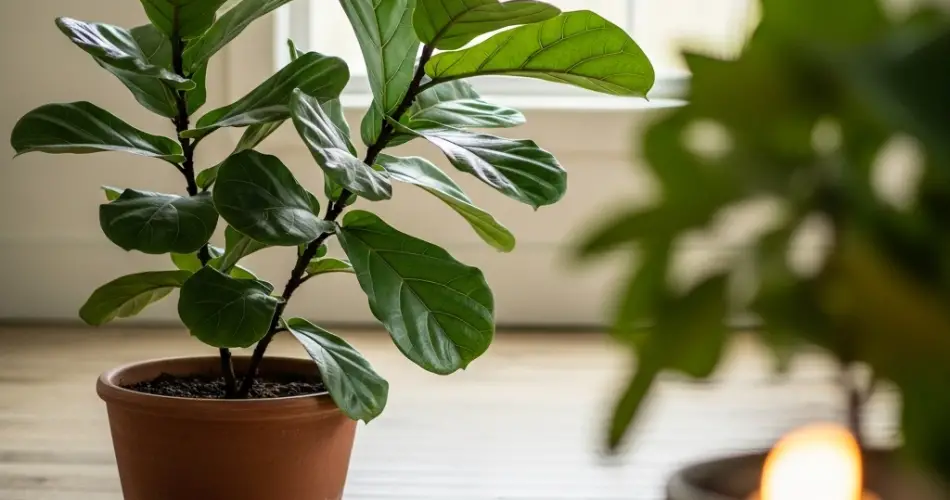
The Fiddle Leaf Fig (Ficus lyrata) has become a design icon in modern interiors. With its tall, tree-like form and bold, violin-shaped leaves, it adds a dramatic statement to any room. Though it looks like a high-maintenance plant, with the right container and care, even tall fiddle leaf figs can thrive indoors. Container gardening is a practical and stylish way to grow this tropical beauty in your home.
Choosing the Right Container
The pot you select for your fiddle leaf fig plays a major role in its health. These plants prefer to be slightly root-bound, but when they become too crowded, their growth can stall. Choose a container that is 2–4 inches wider in diameter than the current root ball.
Drainage is essential. Always select a pot with proper drainage holes to prevent water from sitting at the bottom, which can lead to root rot. If you use a decorative pot without holes, make sure to nest the plant in a plastic nursery pot inside it so you can easily remove it for watering.
In terms of material, consider sturdy options like ceramic, terracotta, or thick plastic. Fiddle leaf figs can grow tall and heavy, so the container should be stable enough to prevent tipping over. If your plant is especially large, a wide base or weighted pot helps support it.
Soil Mix for Healthy Growth
Fiddle leaf figs like a well-draining, nutrient-rich soil that retains some moisture but doesn’t stay soggy. You can use a high-quality indoor potting mix, but it’s even better if you add:
-
1 part peat moss or coco coir
-
1 part perlite or coarse sand
-
1 part pine bark or composted wood chips
This mix improves aeration and drainage while keeping roots happy. Avoid heavy garden soil or mixes that retain too much water, as this can smother the roots.
Potting and Repotting Tips
When repotting a fiddle leaf fig, gently loosen the root ball and prune any dead or circling roots. Add a layer of fresh soil at the bottom of the new pot, then place the plant in the center. Fill in the sides with soil and gently pat it down. Water thoroughly after potting, and allow the excess to drain completely.
Repot every 1–2 years, preferably in spring or early summer, when the plant is actively growing. If your plant is already tall and you don’t want it to grow much bigger, consider replacing just the top few inches of soil instead of moving to a larger pot.
Light and Placement
Fiddle leaf figs need lots of bright, indirect sunlight to grow well. A spot near a large east- or south-facing window is ideal. These plants can tolerate some direct morning sun, but harsh afternoon rays may scorch the leaves.
Rotate the container every couple of weeks to ensure even growth on all sides. If your plant is leaning or reaching toward the light, this is a sign it needs to be repositioned or rotated.
Avoid placing your fig near heating vents, radiators, or air conditioning units, as sudden temperature changes and drafts can stress the plant and cause leaf drop.
Watering Schedule
Overwatering is the most common cause of problems with container-grown fiddle leaf figs. Water only when the top 2 inches of soil feel dry. Insert your finger into the soil to test for moisture, and adjust your watering schedule based on the season.
In spring and summer, your plant will need water more frequently—usually once a week. In cooler months, reduce watering to every 2–3 weeks. Always allow excess water to drain fully and never let the plant sit in standing water.
Fertilizing for Growth
During the growing season (spring to early fall), feed your fiddle leaf fig with a balanced, water-soluble fertilizer every 4–6 weeks. A formulation with equal parts nitrogen, phosphorus, and potassium (like 10-10-10) works well. Avoid over-fertilizing, especially in winter, when the plant is dormant.
Supporting a Tall Plant
Tall fiddle leaf figs in containers can sometimes become top-heavy. Use a stake or moss pole to help support the trunk as needed. Gently tie the plant to the support with soft plant ties or cloth strips. Over time, as the stem thickens, it will become sturdier and need less support.
Pruning and Shaping
Pruning helps manage the height and encourages bushier growth. Use clean, sharp shears to remove leggy branches or to shape the top. If you want your fig to branch out, trim the top few inches of the central stem—this encourages lateral growth.
Remove any yellowing or damaged leaves at the base to keep the plant healthy and attractive.
Conclusion
Fiddle leaf figs can thrive in containers when given the right conditions. With the proper pot, well-draining soil, and bright indoor light, this tropical plant grows into a stunning focal point for any space. Whether you’re nurturing a young fig or managing a tall, established one, container gardening offers flexibility and beauty in equal measure. With a little patience and care, your fiddle leaf fig will reward you with vibrant, lush growth year-round.


