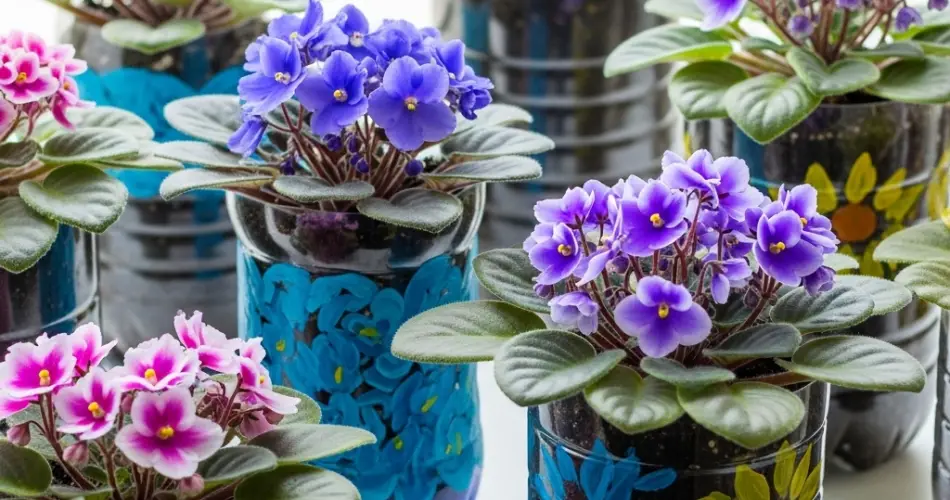
African violets are beloved houseplants known for their vibrant, velvety flowers and compact growth. With the right container care, these delicate beauties can bloom continuously, brightening up your indoor space throughout the year. Proper container selection, watering habits, light conditions, and regular maintenance all contribute to the long-lasting health and floral display of African violets.
Here’s a comprehensive guide on how to care for African violets in containers and encourage frequent, healthy blooms.
Choosing the Right Container
One of the most important steps in African violet care is selecting an appropriate container. These plants thrive in small pots that slightly restrict their roots. A pot that’s too large can result in excessive leaf growth with fewer flowers, while also increasing the risk of root rot.
Container selection tips:
-
Size: Use a container that is about one-third the diameter of the plant’s leaf spread. For example, a 4-inch wide plant should be in a 1.5–2-inch pot.
-
Material: Plastic pots retain moisture well and are lightweight. Clay pots offer breathability but may dry out too quickly unless monitored.
-
Drainage: Always choose a container with good drainage holes to prevent water from accumulating at the bottom.
Self-watering pots can also work well for African violets, especially in dry climates, as they provide consistent moisture without overwatering.
Soil Mix Matters
African violets are sensitive to soil conditions. A well-draining, lightweight soil mix is crucial to avoid root rot and allow oxygen to reach the roots.
Ideal soil blend:
-
1 part peat moss or coco coir
-
1 part perlite or vermiculite
-
Optional: a small amount of compost for gentle nutrients
Avoid using garden soil or standard potting mixes, which can be too dense and retain excess water. Many stores sell pre-mixed African violet potting soil that works well straight from the bag.
Watering for Healthy Blooms
Watering African violets requires attention to detail. These plants dislike water on their leaves and prefer consistent moisture in the root zone.
Watering tips:
-
Bottom watering: Place the pot in a shallow tray of water and allow it to absorb moisture for 20–30 minutes, then drain.
-
Top watering: If top-watering, use a narrow-spouted watering can to avoid wetting the foliage. Water at the soil level only.
-
Water quality: Use room-temperature, filtered or dechlorinated water. Cold or hard water can damage roots and slow growth.
Only water when the top inch of soil feels dry. Avoid letting the plant sit in water for too long, as this can lead to root rot.
Lighting Conditions
African violets need bright, indirect light to produce abundant flowers. Direct sunlight can scorch their leaves, while too little light results in leggy growth and few blooms.
Lighting guidelines:
-
Place near an east- or north-facing window with filtered light.
-
If using artificial lights, keep fluorescent or LED grow lights on for 12–14 hours a day.
-
Rotate the plant every week to ensure even light exposure and balanced growth.
If your violet has lots of foliage but no flowers, insufficient light is likely the cause.
Temperature and Humidity
African violets prefer warm, stable environments. They dislike cold drafts, sudden temperature drops, or overly dry air.
Ideal conditions:
-
Temperature: 65–75°F (18–24°C)
-
Humidity: 50–60% is ideal
To boost humidity, place the container on a shallow tray filled with pebbles and water (without letting the pot sit in the water), or group it with other moisture-loving plants.
Feeding for Continuous Blooms
African violets benefit from regular, gentle feeding to support their continual blooming.
Fertilizer tips:
-
Use a balanced, water-soluble fertilizer (e.g., 20-20-20 or one specifically labeled for African violets).
-
Apply every 2–4 weeks, diluted to half the recommended strength.
-
Avoid over-fertilizing, which can cause leaf burn and inhibit flowering.
Specialized African violet fertilizers with slightly higher phosphorus content can encourage more blooms.
Grooming and Maintenance
Keeping your African violet clean and trimmed helps it stay healthy and encourages fresh blooms.
-
Remove spent flowers by pinching them off at the base to stimulate new blooms.
-
Trim old or damaged leaves to promote airflow and maintain a compact shape.
-
Clean the leaves gently with a soft brush or damp cloth to remove dust and improve light absorption.
Repot the plant every 6–12 months with fresh soil to avoid nutrient depletion and compacted roots.
Common Problems and Solutions
No flowers: Likely due to low light, overwatering, or too much nitrogen. Adjust care accordingly.
Droopy leaves: Could be a sign of overwatering or poor drainage. Check the roots and container base.
Brown leaf edges: Usually caused by low humidity or excessive fertilizer salts. Flush the soil with clean water and adjust the environment.
Powdery mildew or mold: Ensure good air circulation and avoid getting water on leaves.
Final Thoughts
With the right container, soil, light, and care routine, African violets can bloom repeatedly throughout the year. These charming houseplants reward consistent care with a burst of color and delicate beauty. Whether you’re new to houseplant care or an experienced indoor gardener, growing African violets in containers is a rewarding and uplifting experience that brings lasting joy to your indoor space


