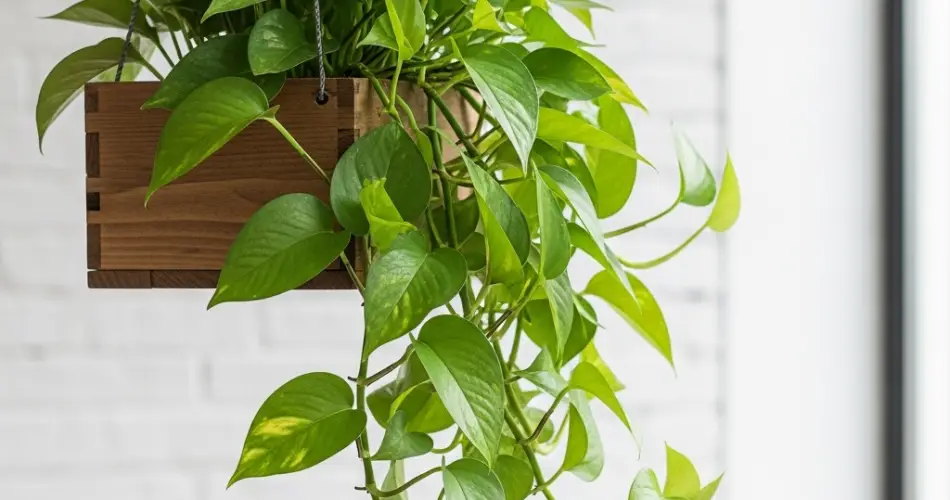
The Pothos plant, scientifically known as Epipremnum aureum, is one of the most popular and versatile houseplants worldwide. Known for its trailing vines, heart-shaped leaves, and ability to thrive in low light, the Pothos is an excellent choice for beginners and experienced plant enthusiasts alike. This resilient plant not only brightens indoor spaces but also improves air quality, making it a favorite for homes and offices.
In this guide, you’ll learn how to properly care for your Pothos and the simple steps to propagate it by cuttings, allowing you to multiply your collection or share plants with friends.
Pothos Plant Care Basics
1. Light Requirements
Pothos are highly adaptable and can tolerate a range of lighting conditions. They do best in bright, indirect light but can survive in low-light environments. However, avoid placing them in direct sunlight, which can scorch the leaves and cause yellowing.
2. Watering
Overwatering is one of the most common mistakes when caring for Pothos. Water your plant when the top inch of soil feels dry to the touch. Depending on the environment, this might mean watering once every 1-2 weeks. Pothos prefers soil that is moist but not soggy. Ensure your pot has drainage holes to prevent root rot.
3. Temperature and Humidity
Pothos thrive in typical indoor temperatures ranging from 65°F to 85°F (18°C to 29°C). They do not tolerate cold drafts or temperatures below 50°F (10°C). Average household humidity is sufficient, but they will benefit from occasional misting, especially in dry conditions.
4. Soil and Fertilizing
Use a well-draining potting mix, such as a mix formulated for houseplants or a blend of peat moss, perlite, and vermiculite. Fertilize your Pothos once a month during the growing season (spring and summer) with a balanced, water-soluble houseplant fertilizer diluted to half strength. Avoid fertilizing during the dormant winter months.
5. Pruning and Maintenance
Regular pruning keeps your Pothos looking lush and full. Trim long or leggy vines to encourage bushier growth. Remove yellow, brown, or damaged leaves to maintain plant health. You can use the pruned cuttings to propagate new plants.
6. Pest Control
Pothos are relatively pest-resistant but can occasionally attract spider mites, mealybugs, or scale. Inspect your plant regularly, and if pests appear, wipe leaves with a damp cloth or apply insecticidal soap.
How to Propagate Pothos: Step-by-Step Guide
Propagating Pothos is easy and rewarding. The plant roots readily in water or soil, making it an ideal candidate for cuttings.
Materials Needed:
-
Clean, sharp scissors or pruning shears
-
A glass or jar (for water propagation) or small pots with potting mix (for soil propagation)
-
Optional rooting hormone (not necessary but can speed rooting)
Step 1: Select a Healthy Vine
Choose a healthy, mature vine with several leaves and nodes (the small bumps along the stem where roots will emerge).
Step 2: Make the Cutting
Cut a 4-6 inch section of the vine just below a node. Ensure the cutting has at least 3-4 leaves and 2-3 nodes.
Step 3A: Rooting in Water
-
Place the cutting in a jar or glass filled with clean, room-temperature water. Make sure at least one node is submerged, as roots will develop from these nodes.
-
Keep the jar in a bright spot with indirect sunlight.
-
Change the water every 5-7 days to prevent stagnation and bacteria growth.
-
After 2-4 weeks, you should see healthy roots about 1-2 inches long. At this stage, you can transplant the cutting into soil.
Step 3B: Rooting in Soil
-
Dip the cut end of your cutting in rooting hormone (optional) and plant it in moist, well-draining soil.
-
Cover the pot with a clear plastic bag or place it in a humidity dome to retain moisture and humidity.
-
Place the pot in indirect light and keep the soil moist but not soggy.
-
After several weeks, gently tug on the cutting to check for resistance, indicating root development.
Transplanting and Care After Propagation
Once your new Pothos cutting has developed roots, either from water or soil propagation, it’s time to transplant it into a pot with well-draining soil. Choose a pot with drainage holes and water lightly after transplanting.
Continue caring for your new plant as you would a mature Pothos. Regular watering, indirect light, and occasional feeding will keep it growing strong.
Troubleshooting Common Problems
-
Yellowing Leaves: Usually caused by overwatering or poor drainage. Let the soil dry out before watering again.
-
Leggy Growth: Indicates insufficient light. Move your Pothos to a brighter spot with indirect sunlight.
-
Brown Leaf Tips: Often a sign of low humidity or underwatering. Increase humidity by misting or placing a tray of water nearby.
-
No Root Growth: If propagating in water, make sure nodes are submerged. For soil propagation, keep the soil consistently moist and avoid drafts.
Benefits of Having Pothos in Your Home
Beyond its aesthetic appeal, Pothos is known for its air-purifying properties, filtering toxins like formaldehyde, benzene, and xylene from indoor air. It’s a low-maintenance plant that adapts well to a variety of indoor environments, making it a perfect choice for homes, offices, and apartments.
Conclusion
Pothos is a beautiful, hardy indoor plant that anyone can successfully grow and propagate. With proper care—moderate watering, adequate light, and occasional feeding—your Pothos will thrive and fill your space with lush, vibrant greenery. Propagation is straightforward and fun, allowing you to multiply your plants and enjoy even more greenery or share cuttings with friends.
Whether you’re a beginner or an experienced gardener, Pothos offers a rewarding plant-care experience with minimal fuss.


